

Vietnamese Handicrafts Quality Test is the ultimate step that every serious importer, retailer, and wholesale buyer must master. In today’s global market, handicrafts from Vietnam are no longer just beautiful decorations. They represent cultural heritage, sustainability, and profitable opportunities for businesses worldwide. However, the lack of clear quality testing standards often leaves buyers vulnerable.
This article uncovers the strategies wholesalers don’t openly discuss. You will discover why testing matters, how to recognize authenticity, and what to avoid when evaluating Vietnamese handicrafts. By the end, you’ll have a clear roadmap to protect your investment while securing long-term supply chains.
Contents
- 1. Vietnamese Handicrafts Quality Test and Why It Matters
- 2. Vietnamese Handicrafts Quality Test for Authenticity and Materials
- 3. Vietnamese Handicrafts Quality Test for Durability and Safety
- 4. Vietnamese Handicrafts Quality Test for Supplier Reliability
- 5. Vietnamese Handicrafts Quality Test as the Key to Long-Term Growth
1. Vietnamese Handicrafts Quality Test and Why It Matters
The Vietnamese Handicrafts Quality Test is not just a precaution—it is a necessity for every B2B buyer. Too often, retailers focus solely on price and design, overlooking deeper factors like durability, sourcing, and compliance. Because of this oversight, importers face unexpected returns, poor customer reviews, and legal risks.
In Vietnam, handicrafts are produced using natural materials like rattan, bamboo, seagrass, and mother-of-pearl. Each material has unique characteristics, but without systematic testing, it is impossible to guarantee consistency. Transitioning from samples to bulk orders requires a structured evaluation process. Therefore, businesses that skip testing often end up with substandard batches, creating long-term losses.
Moreover, wholesalers rarely emphasize quality testing because it adds extra cost and transparency. Instead, they highlight attractive designs and competitive prices. However, experienced importers know that genuine profitability comes from products that meet international standards, not just from low cost. Consequently, learning how to perform a quality test is the first safeguard against being scammed.
Discover more about: Which Handicraft Is the “Silent Goldmine” No One Talks About?

2. Vietnamese Handicrafts Quality Test for Authenticity and Materials
The Vietnamese Handicrafts Quality Test for authenticity begins with raw material inspection. Bamboo baskets, seagrass lampshades, and mother-of-pearl trays each carry distinct traits that reflect authenticity. Unfortunately, some suppliers use synthetic substitutes or low-grade resources to cut costs. Identifying these flaws early saves buyers from disappointment.
2.1 Bamboo and Rattan Durability Tests
Bamboo and rattan products should undergo bend and weight tests. When pressed or slightly bent, authentic rattan fibers should not crack or peel. Likewise, bamboo weaving should be uniform and smooth. If varnishes smell overly chemical, it indicates artificial hardening—a red flag for long-term safety.
2.2 Seagrass and Water Hyacinth Authenticity
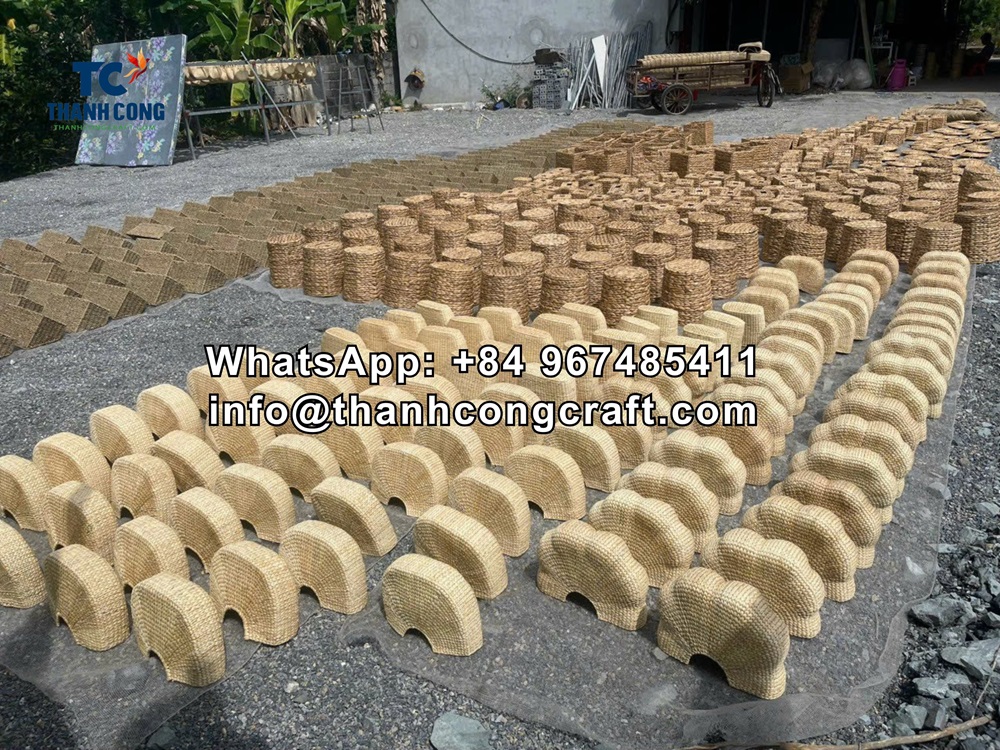
Natural seagrass has a subtle earthy scent and soft texture, unlike synthetic fibers which feel too glossy. A water-dip test often reveals authenticity because genuine seagrass darkens slightly but retains strength. By contrast, plastic substitutes lose shape after moisture contact.
2.3 Mother-of-Pearl Inlay Quality Check
Mother-of-pearl trays require close surface inspection. Genuine shell inlay reflects light with natural iridescence, while fake versions look flat or painted. When scratched lightly, real mother-of-pearl resists damage, whereas imitations peel or fade quickly.
Because wholesalers rarely guide buyers through these tests, many importers rely on trust. Yet, authenticity verification must never be delegated entirely to suppliers. Instead, buyers should document each step and request proof of material origin, certifications, or third-party audits.
Read more about: Do You Really Need Big Capital to Start Reselling Handicrafts?
3. Vietnamese Handicrafts Quality Test for Durability and Safety
The Vietnamese Handicrafts Quality Test extends beyond authenticity to durability and safety—two aspects that directly affect customer satisfaction and regulatory approval. Retailers must realize that handcrafted items not only serve decorative purposes but also function as everyday essentials in dining, lighting, or storage.
3.1 Strength and Load Capacity
Durability can be measured through load-bearing tests. For example, rattan furniture should support significant weight without loosening. Similarly, bamboo baskets should maintain form under pressure. Simple mechanical checks, like applying moderate force, reveal whether weaving is strong or fragile.
3.2 Moisture and Climate Resistance
Because many Vietnamese handicrafts use natural fibers, resistance to humidity is crucial. High-quality products resist mold and retain shape despite climate changes. A controlled moisture exposure test over 24 hours shows whether the material warps, weakens, or holds steady.
3.3 Safety Standards for International Markets
Safety certification is another overlooked factor. For instance, wooden trays must pass food-contact safety tests, while lampshades must meet fire resistance regulations. Without these checks, retailers risk customs rejection or legal claims. Consequently, quality testing aligns not only with product safety but also with long-term compliance.
Although wholesalers rarely emphasize these tests, businesses that implement them build stronger reputations. Customers appreciate safe, long-lasting products and reward suppliers with repeat orders. Therefore, durability testing is as much about trust-building as it is about technical assurance.
See our post: How to Choose a Reliable Wholesaler in Vietnam Without Scams?
4. Vietnamese Handicrafts Quality Test for Supplier Reliability
The Vietnamese Handicrafts Quality Test must also cover supplier reliability. A partner who provides flawless samples but inconsistent bulk orders quickly erodes trust. Therefore, buyers should carefully evaluate production capacity, communication, and independent verification.
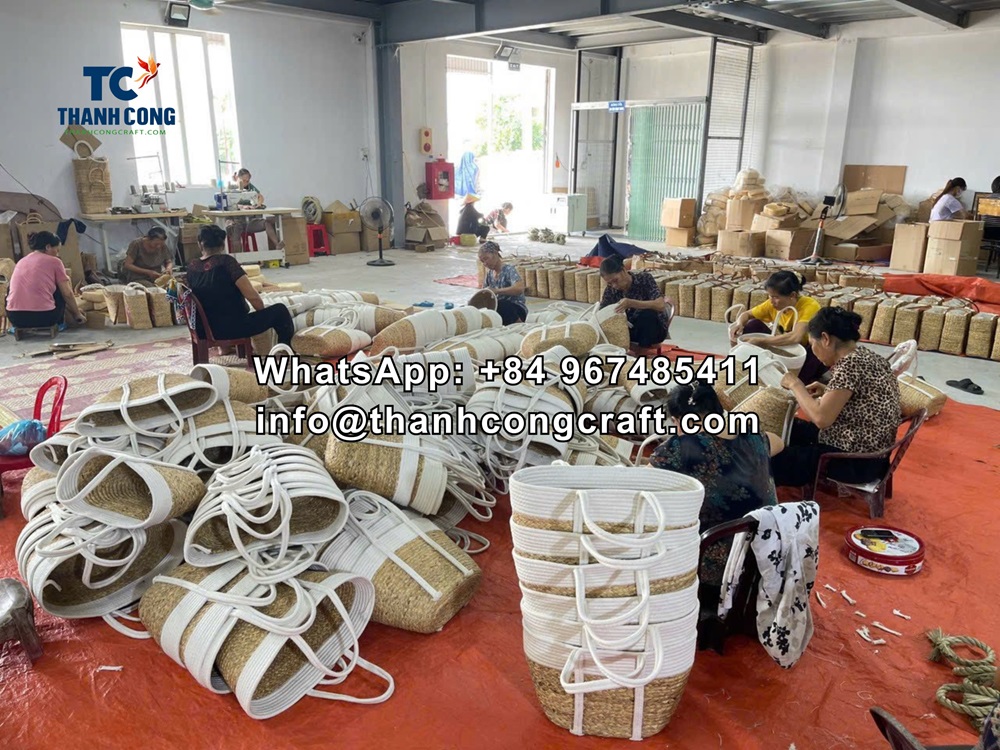
Visiting workshops, reviewing export history, and requesting third-party inspections are essential steps. Reliable suppliers remain transparent, while evasive answers signal red flags. Partnering with inspection agencies like SGS or Bureau Veritas ensures consistent quality and prevents costly returns. By combining product testing with supplier evaluation, importers safeguard long-term partnerships and strengthen their supply chain.
5. Vietnamese Handicrafts Quality Test as the Key to Long-Term Growth
The Vietnamese Handicrafts Quality Test ultimately determines whether a business thrives or fails in global markets. Importers who rely solely on trust often face inconsistent shipments, reputational risks, and financial loss. However, companies that institutionalize testing gain significant advantages.
Firstly, buyers who test consistently establish benchmarks. Once a supplier understands that products will always be checked, they maintain higher standards to avoid rejection. This cultural shift creates a win-win scenario, improving both efficiency and trust. Secondly, structured testing enhances brand reputation in competitive markets. Retailers in the US, Europe, and the Middle East increasingly demand eco-friendly, reliable, and certified products. Meeting these standards transforms occasional buyers into loyal partners.
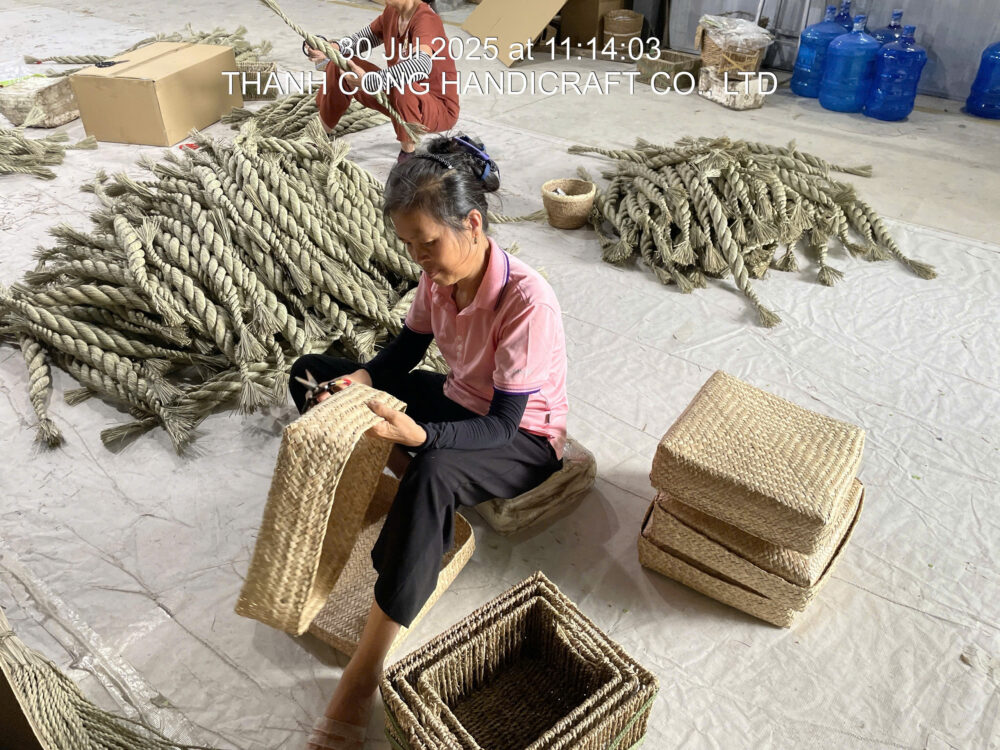
Additionally, quality testing strengthens long-term partnerships. Rather than replacing suppliers frequently, importers can invest in training, collaboration, and product innovation. For example, retailers selling seagrass lampshades or bamboo trays can co-develop designs, knowing that baseline quality is guaranteed. As sustainability becomes a global priority, suppliers who already comply with testing procedures will lead the market.
In conclusion, the Vietnamese Handicrafts Quality Test is not an optional step. It is the foundation of successful B2B trade, protecting investments and securing sustainable growth. Retailers and wholesalers who prioritize testing will not only avoid scams but also build lasting competitive advantages in international markets.
See more: Which Vietnamese Handicrafts Sell Best in the U.S. and Europe?
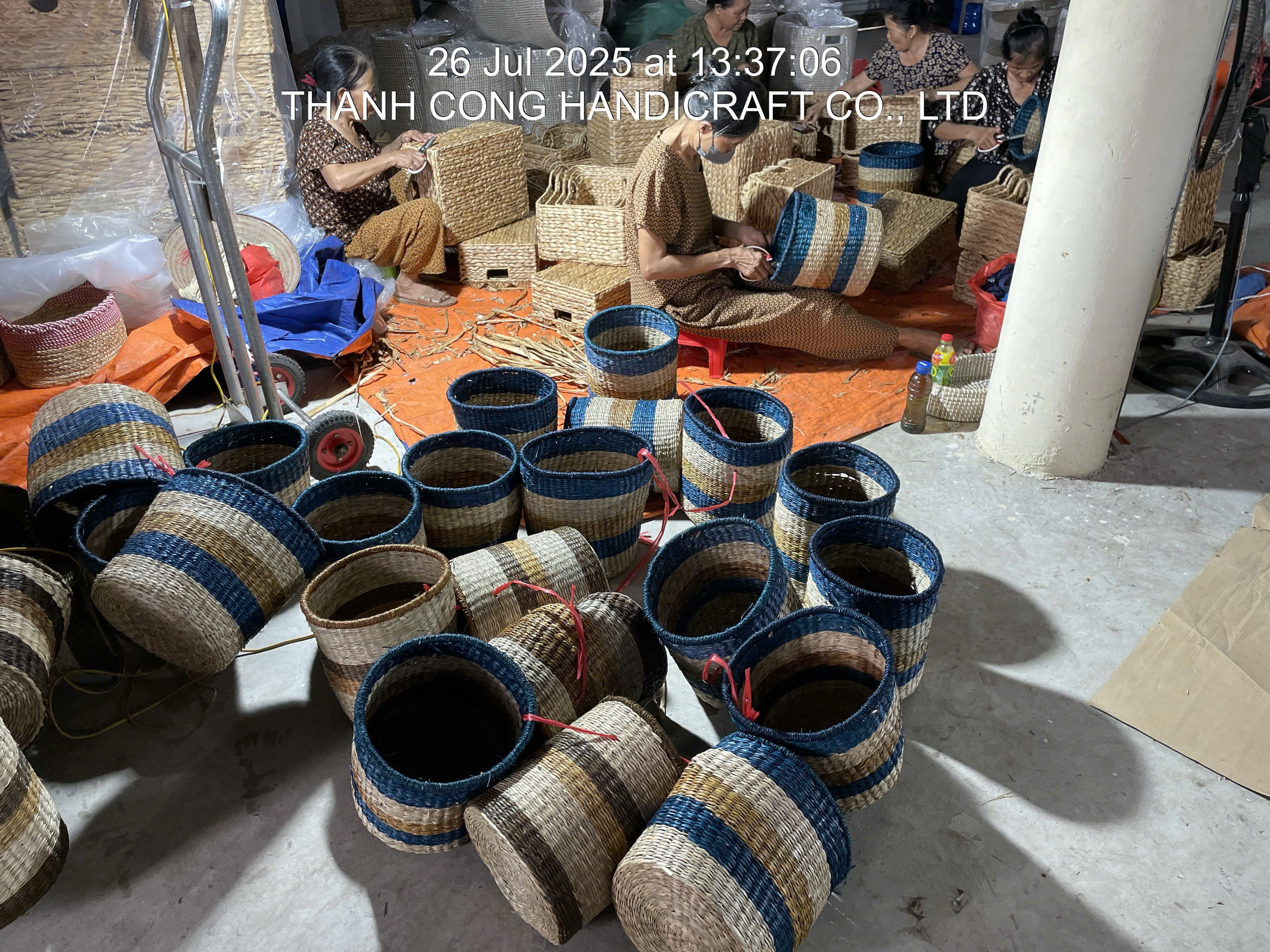
Reach out to us today to learn more about our products or to place a wholesale order. We look forward to connecting with you!
- Thanh Cong Handicraft Co., Ltd
- Email: [email protected]
- Tel/WhatsApp: +84967485411
Explore our Products Collection for more choices! Contact Us!


