

Display alternatives for premium chocolate brands go beyond cardboard by using materials, forms, and presentation styles that communicate quality and brand intent. These alternatives help chocolate stand out at retail while supporting gifting value and long-term brand consistency rather than short-term promotion.
Contents
- 1. Why Premium Chocolate Brands Are Rethinking Traditional Displays?
- 2. Material-Led Displays And Why They Feel More Premium
- 3. Serving-Inspired Displays That Change How Chocolate Is Perceived
- 4. Reusable And Modular Displays For Brand Consistency Over Time
- 5. How Display Preferences Differ Across Key Markets?
1. Why Premium Chocolate Brands Are Rethinking Traditional Displays?
Display alternatives for premium chocolate brands are increasingly discussed because traditional retail displays no longer support how premium chocolate is positioned. While cardboard trays and printed stands remain cost-effective, they often fail to reflect the craftsmanship, sourcing, and brand story behind the product.
In many retail environments, chocolate brands compete within tightly packed shelves where visual fatigue is common. Shoppers rarely read detailed descriptions at first glance. Instead, they react to material, structure, and overall presence. As a result, displays that feel disposable can unintentionally suggest that the product itself is interchangeable.
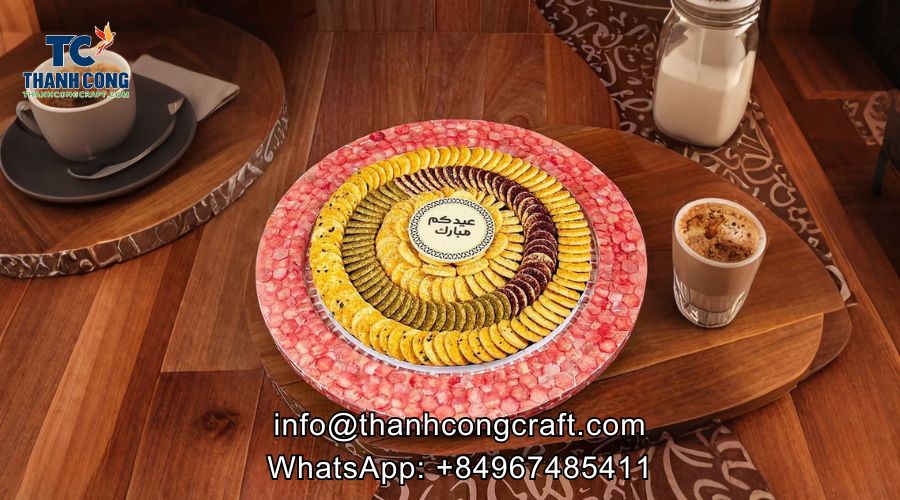
From the perspective of brand owners and product managers, this creates a mismatch. Considerable investment is made in flavor development, ethical sourcing, and packaging design. However, when the display feels temporary, the overall presentation loses coherence. Therefore, brands begin questioning whether traditional display materials still serve their positioning.
In practice, this shift is not about rejecting efficiency or scalability. It is about recognizing that display is part of the brand experience. When display materials align with product values, they reinforce trust. When they do not, they quietly undermine it.
Discover more: How Durable Is Mother of Pearl Furniture for Everyday Use?
2. Material-Led Displays And Why They Feel More Premium
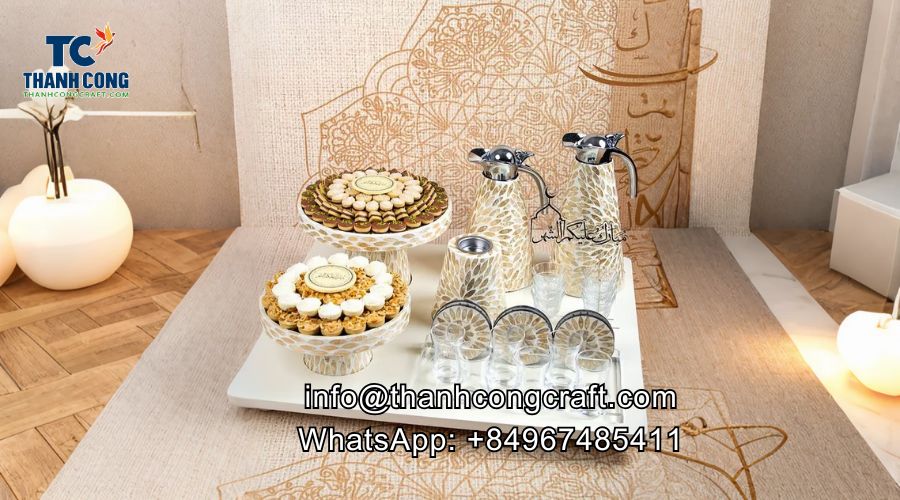
One of the most effective display alternatives for premium chocolate brands is the use of material-led presentation. Instead of relying on printed graphics to signal quality, these displays let material characteristics do the work.
Natural materials such as wood, stone, ceramic, and mother of pearl communicate value through weight, texture, and finish. They do not rely on messaging; they rely on sensory perception. When a shopper sees chocolate presented on a solid tray or structured platform, the product immediately feels more intentional.
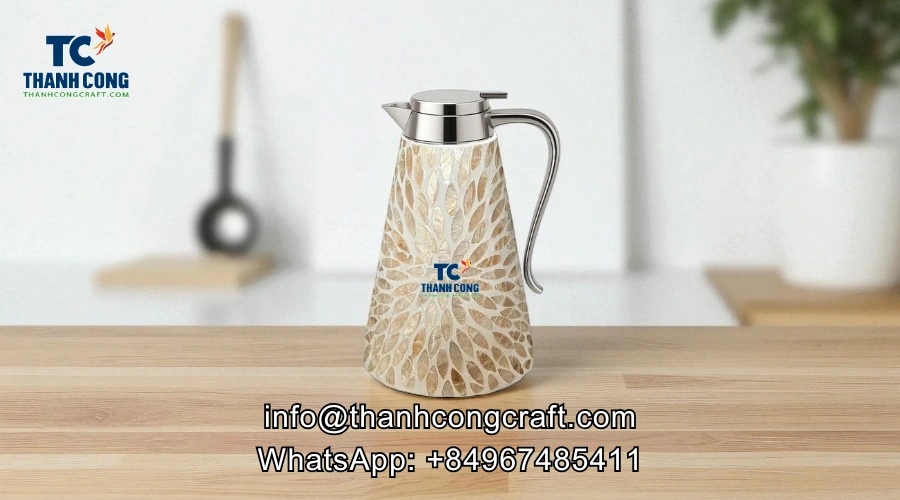
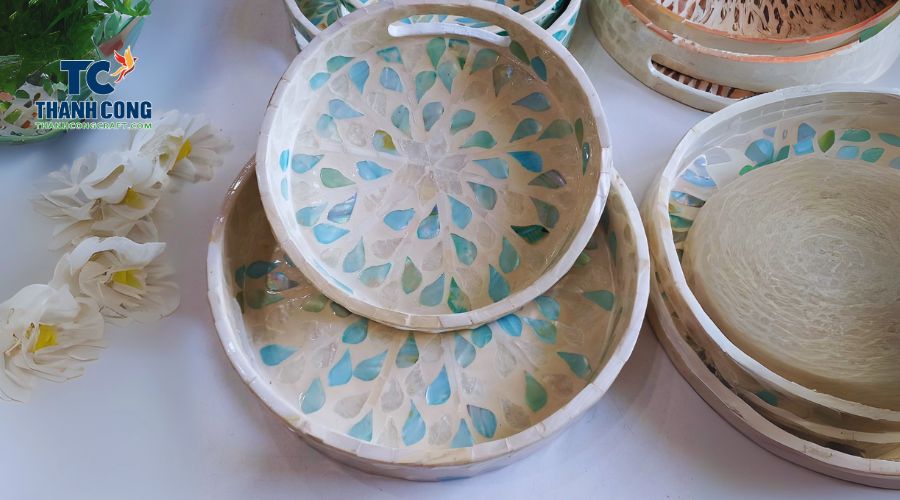
Mother of pearl plays a unique role in this category. Its surface reflects light softly rather than aggressively, creating depth without distraction. This quality makes it particularly suitable for premium chocolate, where subtlety often matters more than bold decoration. Used in trays, inlays, or display accents, mother of pearl elevates presentation without overpowering the product.
However, material-led displays require thoughtful design. Overly decorative surfaces can feel ornamental rather than refined. Therefore, successful brands treat materials as part of a balanced system. The display supports the product, not competes with it.
From an industry standpoint, material choice becomes a quiet but powerful brand signal. It tells the shopper how seriously the brand takes its product.
Explore this topic in detail: Does Mother of Pearl Fade or Yellow Over Time?
3. Serving-Inspired Displays That Change How Chocolate Is Perceived
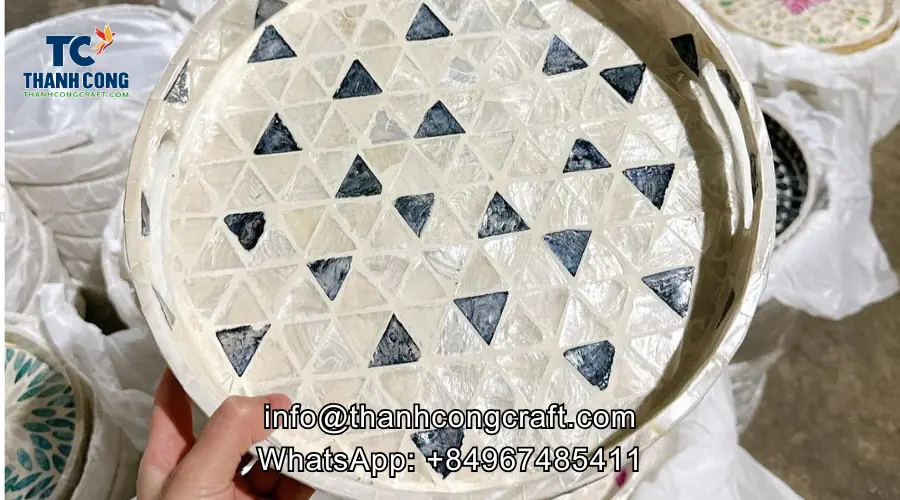
Another growing category of display alternatives for premium chocolate brands is serving-inspired presentation. Instead of resembling retail fixtures, these displays borrow cues from hospitality, dining, and gifting environments.
Trays, stands, and presentation boxes shift the perception of chocolate from a retail item to something meant to be offered, shared, or celebrated. This is particularly important for premium brands, where emotional value often matters as much as taste.
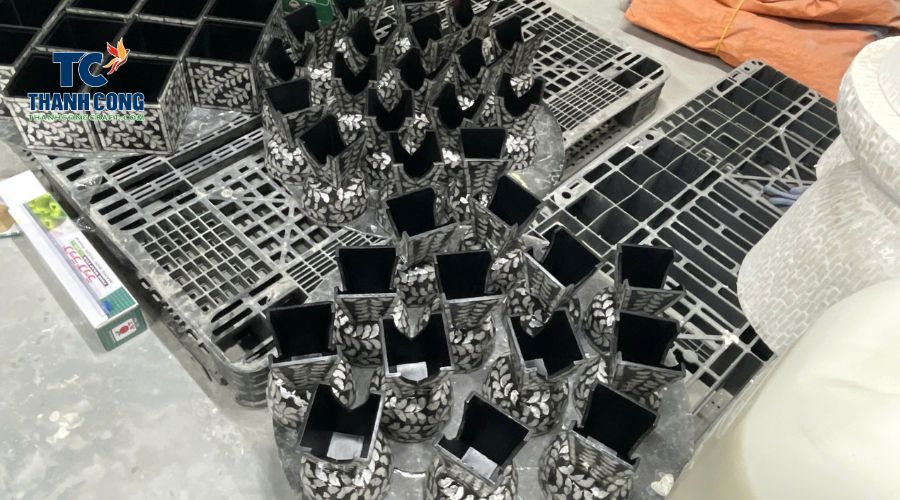
Serving-inspired displays create a sense of context. Chocolate is no longer seen as something picked up casually but as part of a ritual or moment. This subtle change influences purchasing behavior, especially in gift-oriented retail spaces.
Mother of pearl appears naturally in this context because of its historical association with serving and decorative objects. When used thoughtfully, it reinforces ideas of hospitality and refinement. A mother of pearl tray does not simply hold chocolate; it frames it.
In practice, these displays perform well in boutiques, concept stores, and duty-free environments. They also align closely with cultural gifting traditions in regions where presentation carries symbolic meaning.
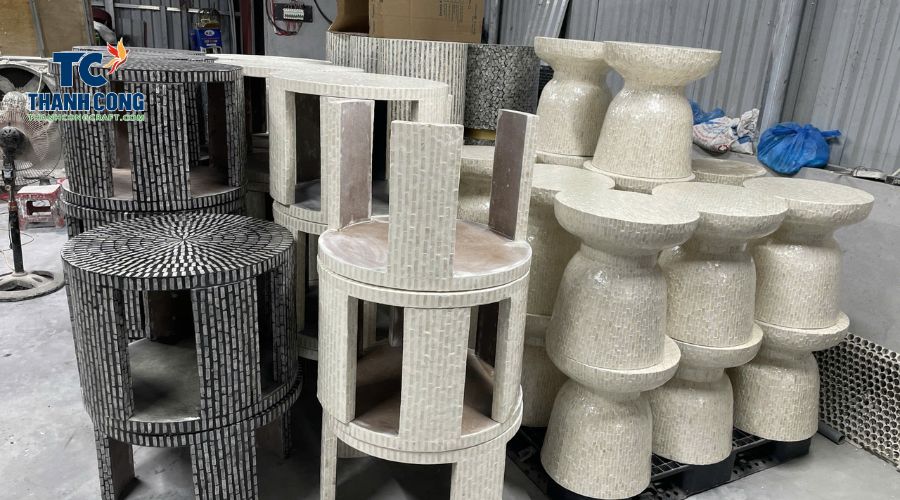
4. Reusable And Modular Displays For Brand Consistency Over Time
Display alternatives for premium chocolate brands increasingly prioritize reuse and modularity. Rather than designing a new display for every campaign, brands look for systems that can evolve while remaining recognizable.
Reusable displays support brand consistency. When shoppers encounter similar presentation structures across seasons or locations, familiarity builds. Over time, the display itself becomes part of the brand identity.
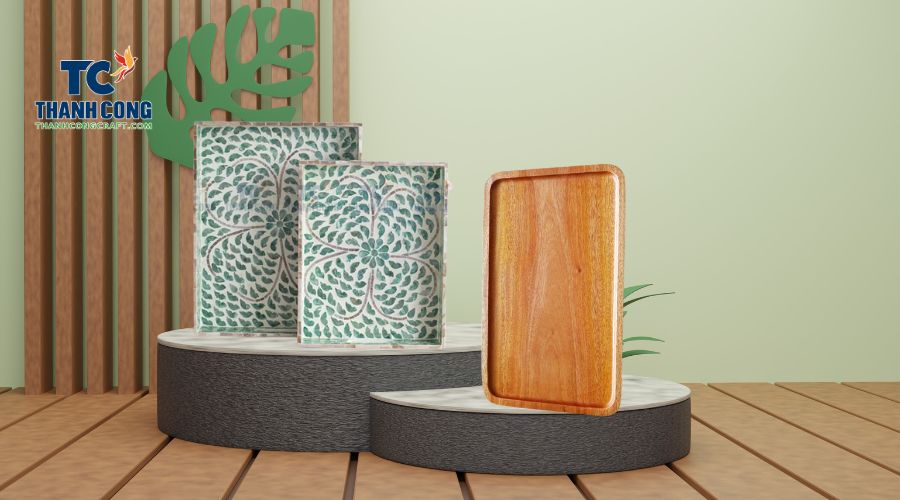
From a practical perspective, modular displays allow flexibility without waste. Small elements can be updated to reflect new collections or themes while the core structure remains intact. This approach reduces production costs in the long term while improving sustainability perception.
Material choice is critical here. Durable materials such as wood, metal, or mother of pearl accents age better than printed cardboard. They maintain visual integrity even after repeated use, reinforcing the idea of permanence.
However, modularity should not feel generic. Displays must still carry handcrafted or thoughtful details. When done well, reusable displays signal that the brand values longevity—not just in product quality, but in presentation philosophy.
View details: Are Mother of Pearl Rattan Trays Eco-Friendly?
5. How Display Preferences Differ Across Key Markets?
Display alternatives for premium chocolate brands must also respond to market-specific expectations. A display that performs well in one region may feel out of place in another.
In the US, premium chocolate often exists alongside mass-market options. Displays need to create immediate differentiation without slowing down the shopping experience. Material contrast and clear structure help brands stand out quickly, even in busy retail environments.
In European markets, particularly those with strong artisan traditions, displays tend to emphasize authenticity and restraint. Natural materials and understated design communicate credibility. Decorative elements, including mother of pearl, are used carefully to avoid appearing excessive.
In the Middle East, gifting culture strongly shapes display expectations. Presentation is not only visual but symbolic. Displays that feel ceremonial, substantial, and worthy of reuse resonate more deeply. Serving-inspired formats and refined materials align naturally with these values.
Understanding these differences helps brands avoid applying a universal solution. Instead, display alternatives become tools for cultural alignment rather than just visual enhancement.

Reach out to us today to learn more about our products or to place a wholesale order. We look forward to connecting with you!
- Thanh Cong Handicraft Co., Ltd
- Email: [email protected]
- Tel/WhatsApp: +84967485411
Explore our Products Collection for more choices! Contact Us!


