

Importing from Vietnam costs often catch new importers by surprise. Many believe the factory price is the final figure, but the reality is far more complex. Beyond the production price, businesses face a series of additional expenses such as freight, customs duties, taxes, insurance, packaging, and port handling charges. These hidden elements can sometimes exceed the product’s base cost if left unmanaged.
In this article, we break down every cost that contributes to the true landed price of Vietnamese goods. We also share practical strategies to manage budgets effectively, highlight opportunities to save money, and explore how strong supplier partnerships can reduce risks for importers in industries such as handicrafts, furniture, and textiles.
Contents
1. Understanding Importing from Vietnam Costs
1.1 Factory Price vs. Total Landed Cost
When buyers negotiate with suppliers, the first number presented is usually the factory price. This figure represents what the manufacturer charges for producing the goods, but it does not reflect the final expense of bringing products into your warehouse. The true cost—commonly referred to as the “landed cost”—includes every fee and charge required from the factory gate in Vietnam to your door abroad.
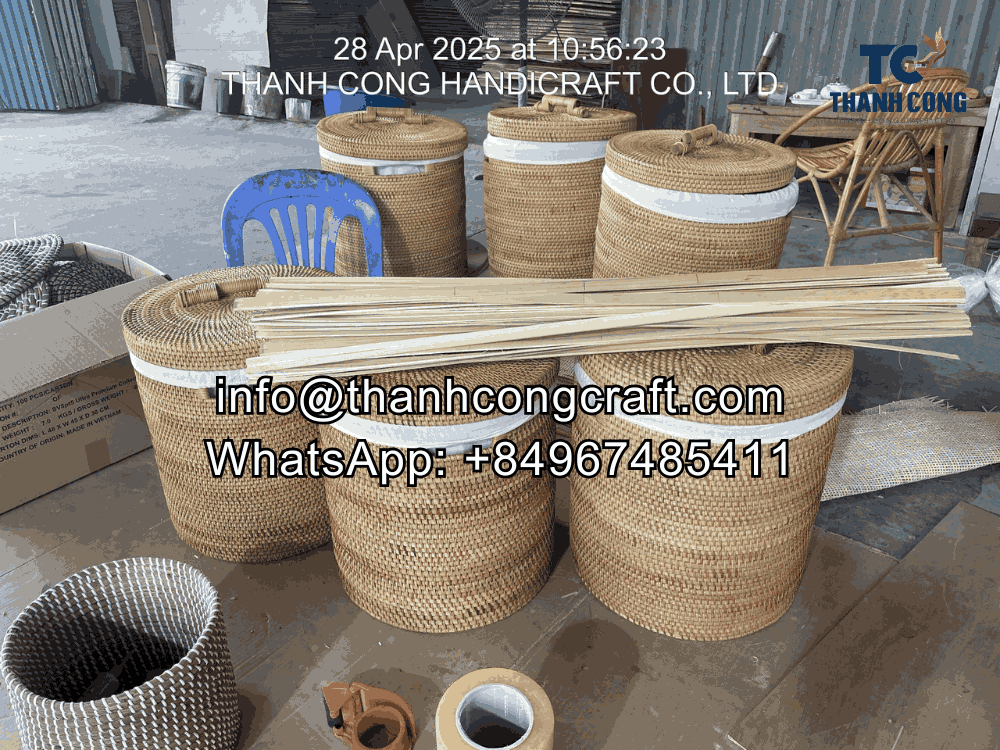
For example, a rattan basket quoted at $5 per unit may sound attractive. Yet once you add freight, customs clearance, duties, VAT, and port handling, the actual delivered price might rise to $7 or $8 per unit. Ignoring these extras can create serious miscalculations in pricing and profitability.
1.2 Why Costs Differ from One Importer to Another
Importing from Vietnam costs are rarely fixed because they depend on multiple variables. The type of product is one of the strongest factors. Handicrafts and textiles carry different tariff codes and therefore different duty rates. Similarly, the choice between ocean and air freight makes a dramatic difference, with air transport costing five to seven times more.
Seasonal changes also influence costs. During peak shipping months, container shortages can push freight rates sky-high. Moreover, the Incoterms agreed upon with the supplier shift responsibility for charges. Under FOB, the seller covers port fees in Vietnam, while under EXW, the buyer handles everything from the factory gate onward. These variations explain why two importers ordering the same product can end up with completely different landed costs.
Explore our post: Wholesale Price vs Small Order: Truth Every Importer Must Know
2. Major Components of Importing from Vietnam Costs
2.1 Freight and Logistics
Freight is usually the largest and most unpredictable expense. Ocean freight prices fluctuate based on demand, global trade conditions, and fuel costs. A 40HQ container shipped from Ho Chi Minh City to Los Angeles might cost as little as $1,500 during quiet seasons but soar to $12,000 or more during global shortages. Air freight, while faster, is priced per kilogram and is only suitable for lightweight or high-value products.
Delays at ports, surcharges from shipping lines, and fluctuations in oil prices further complicate cost predictions. This volatility means that freight planning should always include a financial buffer.
2.2 Customs Duties and Taxes
Duties and taxes are unavoidable, yet they differ depending on the HS code classification of the product. For example, woven rattan baskets imported into the United States can attract duty rates of 5–10%, while textiles might reach 16%. Furniture, on the other hand, sometimes benefits from lower rates if trade agreements apply.
Importers must also factor in VAT or GST at the destination, which can add 5–20% to the invoice. Failing to account for these taxes upfront can dramatically reduce profit margins.
2.3 Packaging and Labeling Expenses
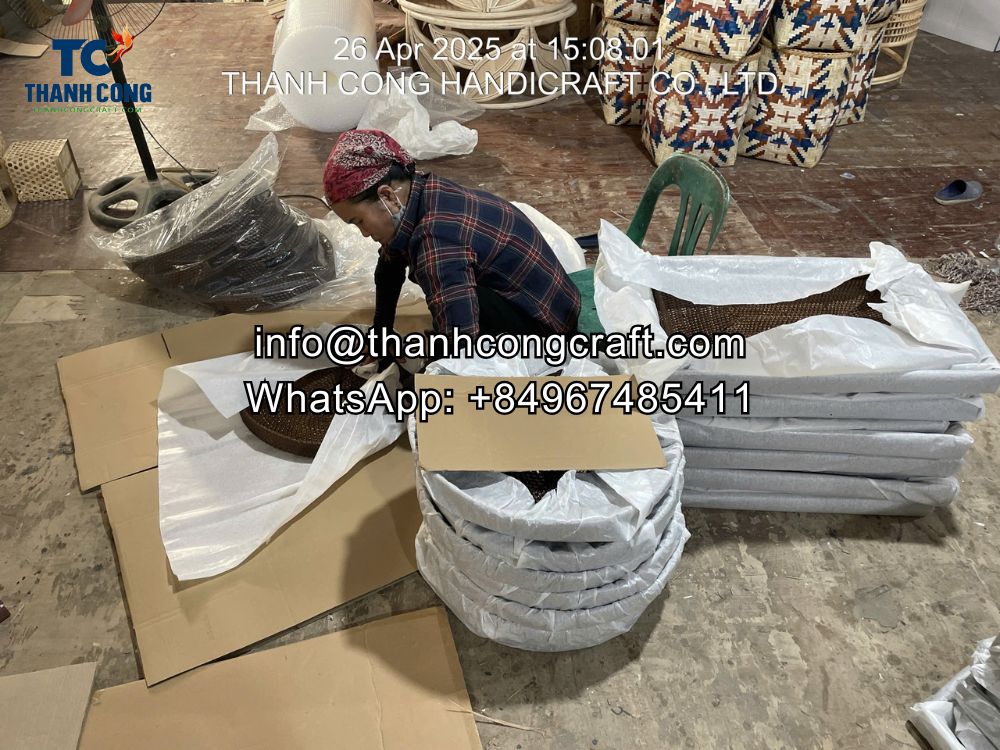
Packaging is more than just a box. Export-ready packaging must protect goods over thousands of kilometers at sea, through varying climates and multiple handling points. Many buyers underestimate this cost, especially when products are fragile or bulky.
Labels also carry a price. Every export must meet customs regulations, including “Made in Vietnam” markings and sometimes barcode compliance. If goods are retail-ready, additional branding and presentation costs come into play. Each adjustment adds to the landed cost per unit.
2.4 Insurance and Risk Management
Marine insurance is not legally required, but it is highly recommended. A small premium—typically 0.3–0.5% of the cargo’s value—offers coverage against damage, theft, or complete loss. Considering the risks of long-distance shipping, this expense buys not only protection but also peace of mind.
3. Hidden Importing from Vietnam Costs Importers Miss
3.1 Quality Inspections
While factory prices are enticing, product quality can vary. Many importers hire third-party inspection agencies in Vietnam, which typically charge $200–$350 per man-day. This fee may seem unnecessary, but skipping it risks entire shipments being rejected on arrival, leading to returns, penalties, and wasted freight costs.
3.2 Port Handling and Demurrage
Another easily overlooked cost is port handling. If containers are not picked up on time, shipping lines impose demurrage charges—often $150 per container per day. Even a short delay can quickly wipe out profits, so managing logistics efficiently is essential.
3.3 Bank Transfers and Currency Exchange
Financial transactions come with their own hidden burdens. Payments via T/T (telegraphic transfer) incur bank charges, intermediary bank fees, and sometimes unfavorable exchange rates. Importers who earn revenue in euros or pounds but pay Vietnamese suppliers in USD face additional conversion losses, which silently inflate the cost of doing business.
3.4 Compliance and Certification
Markets such as the EU demand strict certifications. Wood-based goods may require FSC approval, while chemical-related items must pass REACH standards. Electronics need CE marks before entry. Certification fees can range from hundreds to thousands of dollars, especially for first-time importers, and failure to comply can mean blocked shipments.
Explore more post here: How Many Units Should You Import on Your First Order?

4. Cost-Saving Strategies When Importing from Vietnam
4.1 Consolidating Shipments
Instead of shipping multiple small orders, businesses should consolidate products into fewer containers. This reduces per-unit freight costs significantly and minimizes paperwork, inspections, and port fees.
4.2 Negotiating Incoterms
Understanding and negotiating Incoterms can lead to substantial savings. Opting for FOB allows importers to choose their own freight providers, often at more competitive rates, instead of accepting supplier-arranged CIF terms that may hide inflated charges.

4.3 Partnering with Reliable Exporters
Finding the right supplier is not only about price but also about transparency and reliability. Working with established exporters such as Thanh Cong Handicraft, a leading Vietnamese producer of rattan and seagrass décor, ensures fewer unexpected costs. Trusted partners handle paperwork, comply with certifications, and provide accurate quotations, allowing buyers to plan with confidence.
4.4 Leveraging Trade Agreements
Vietnam’s participation in free trade agreements such as EVFTA and CPTPP opens opportunities for reduced or zero tariffs, provided rules of origin are met. Importers who take advantage of these agreements can cut costs significantly. However, it requires cooperation from suppliers to provide the necessary documentation.
5. Long-Term Opportunities Beyond Importing from Vietnam Costs
5.1 Building Sustainable Supply Chains
Short-term cost savings may be attractive, but sustainable supply chains deliver greater value over time. Importers who develop long-term relationships with Vietnamese suppliers benefit from consistent product quality, priority production slots, and stronger negotiation leverage.
5.2 Branding Through Customization
Vietnamese exporters often offer customization services like logo engraving, branded packaging, or exclusive designs. While these services raise upfront costs, they strengthen brand recognition and boost product value, allowing businesses to command higher margins in retail markets.
5.3 Predictability and Risk Reduction
Understanding importing from Vietnam costs in full detail allows companies to forecast expenses accurately. With predictable financial planning, importers can manage cash flow better, reduce risks, and expand into new markets with confidence.
See more: Tax & Import Regulations for Lacquer Placemats in the UK

Reach out to us today to learn more about our products or to place a wholesale order. We look forward to connecting with you!
- Thanh Cong Handicraft Co., Ltd
- Email: [email protected]
- Tel/WhatsApp: +84967485411
Explore our Products Collection for more choices! Contact Us!


