

Bamboo products are admired worldwide for their eco-friendly nature, strength, and versatility. From kitchen utensils and baskets to flooring and furniture, bamboo has become a symbol of sustainable living. However, many buyers and importers ask an essential question: what happens when bamboo products get wet? This article explores the impact of water exposure on bamboo, how it behaves in different conditions, and what strategies wholesalers, retailers, and households can use to protect these natural items. By the end, you will understand not only the science of bamboo and moisture but also the practical steps for care, maintenance, and long-term sustainability.
Contents
1. The Nature of Bamboo Products and Water Interaction
Bamboo products are made from one of the fastest-growing renewable materials on Earth. Bamboo consists of cellulose fibers bound with natural lignin, making it lightweight yet strong. Unlike plastic or metal, bamboo is porous, which means it absorbs and releases moisture depending on its environment.
1.1 Porous Nature of Bamboo
When bamboo products get wet, their pores absorb water. This causes swelling, which may lead to slight warping or surface roughness. Although the plant itself is resilient in nature, processed bamboo loses some protective oils, making treatment and finishing critical.
1.2 Natural Resistance with Proper Treatment
Well-treated bamboo products resist water damage far better than untreated ones. When sealed with natural oils, lacquers, or eco-friendly varnishes, they withstand everyday spills and humidity. This is why exporters in Vietnam, known for wholesale bamboo crafts, often invest in specialized finishing to meet global standards.
See our insights on: Can Bamboo Products Survive Humidity Without Mold?
2. What Happens When Bamboo Products Get Wet for Too Long?
Bamboo products can handle occasional water contact, but prolonged exposure creates visible and structural damage. Importers and households need to understand these risks to extend product lifespan.
2.1 Swelling and Warping
When left in water for hours or exposed to constant humidity, bamboo expands unevenly. This often results in cracking, bending, or separation at the joints. For flooring or cutting boards, such warping compromises both function and appearance.
2.2 Mold and Mildew Growth
Excessive moisture creates the perfect environment for fungi. Mold stains not only reduce product beauty but also lower its market value. This is a major concern for wholesale buyers targeting luxury eco-friendly markets in Europe and the US.
2.3 Surface Discoloration
Bamboo products exposed to water may lose their natural golden hue, turning grayish or patchy. While discoloration can sometimes be reversed through sanding or refinishing, it increases handling costs for importers.
3. Preventing Water Damage in Bamboo Products
Bamboo products can last for decades if properly cared for. The key lies in preventive strategies applied at both production and household levels.
3.1 Protective Coatings
Exporters often apply natural oils such as tung oil or linseed oil, followed by eco-friendly varnishes. This treatment repels water while enhancing the natural sheen. Buyers should ensure their suppliers in Vietnam provide such finishes for wholesale shipments.
3.2 Smart Usage in Households
Consumers must avoid leaving bamboo utensils soaking in sinks or exposing bamboo furniture to rain. Instead, items should be quickly dried with soft cloths. Regular maintenance keeps products durable and attractive.
3.3 Controlled Indoor Environments
For large-scale buyers importing bamboo flooring or furniture, climate-controlled warehouses reduce risks. Stable humidity levels help prevent cracking or mold during storage and transportation.
Explore how: How To Make Bamboo Mulch?
4. Bamboo Products in International Markets: Balancing Beauty and Durability
Bamboo products today serve not only as functional household goods but also as global symbols of sustainable living. Importers in Europe and the US, however, must go beyond aesthetics and guarantee long-lasting durability to meet strict consumer demands. Shoppers appreciate bamboo’s eco-friendly charm, but they expect consistent quality. By offering proper maintenance guidelines, suppliers can transform one-time buyers into loyal customers who return for reliability as much as for design.
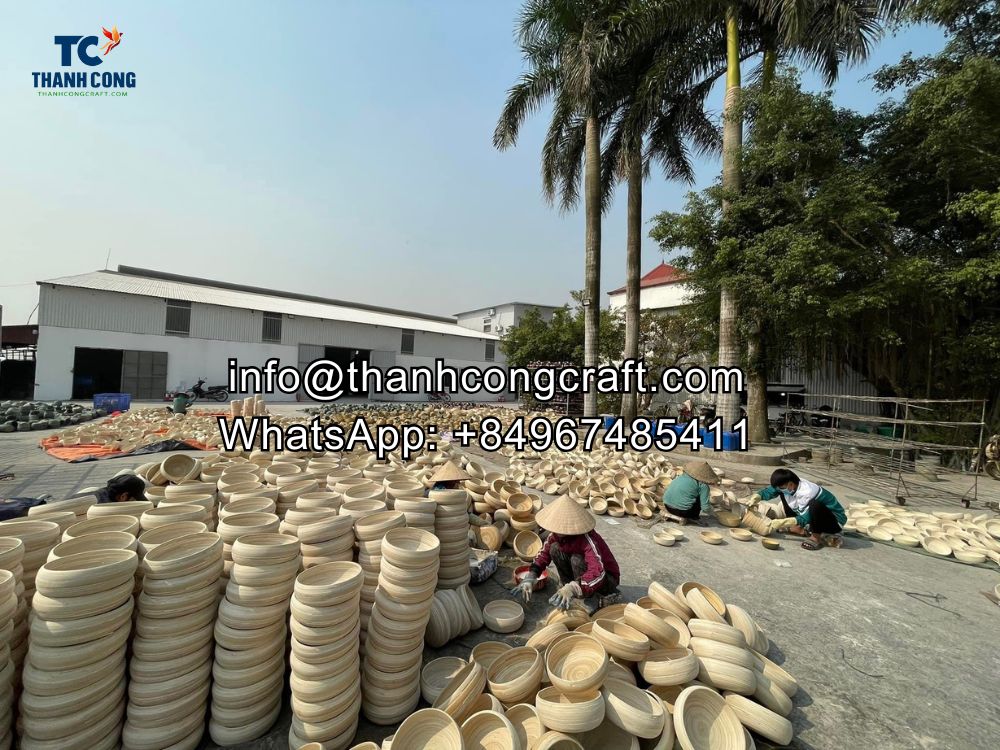
Vietnamese suppliers, in particular, play a crucial role in setting this standard. Training artisans to properly seal, finish, and package bamboo ensures fewer water-related issues during distribution. This responsibility strengthens brand reputation and reassures global partners that the goods are crafted to withstand modern use. When durability and sustainability go hand in hand, bamboo transitions from a rustic craft to a premium, export-ready material trusted across international markets.
Related reading: Bamboo Product List for Interior Design: From Basket to Furniture
5. Strategies to Enhance the Long-Term Value of Bamboo Products
Bamboo products remain highly profitable in wholesale trade when suppliers and retailers manage water exposure effectively. Clear and practical customer education, such as advising to wipe bamboo immediately after washing, prevents unnecessary damage and extends product lifespan. These small steps reduce misuse, strengthen consumer trust, and boost satisfaction across luxury and everyday retail segments.
At the same time, businesses can add value by combining eco-certifications with ongoing innovation. European and US buyers place strong emphasis on certified sustainability, and exporters who invest in moisture-proof packaging, hybrid treatments, or flat-pack concepts stand out in a competitive marketplace. By blending traditional craftsmanship with modern solutions, bamboo retains its eco appeal while meeting the durability standards of global trade. This balance ensures long-term profitability and positions bamboo products as a premium alternative to plastic and wood.
Reach out to us today to learn more about our products or to place a wholesale order. We look forward to connecting with you!
- Thanh Cong Handicraft Co., Ltd
- Email: [email protected]
- Tel/WhatsApp: +84967485411
Explore our Products Collection for more choices! Contact Us!


