

Water Hyacinth Basket is one of the most beloved eco-friendly home décor items handcrafted from natural fibers. But what actually happens when your basket gets wet? Understanding this reaction helps you protect your products, whether you’re a home user or a wholesale importer.
This article uncovers how water hyacinth fibers respond to moisture, what visual and structural changes occur, and how artisans and exporters prevent long-term damage. You’ll also learn practical maintenance methods and why sourcing from certified suppliers ensures lasting quality.
Contents
1. What Happens When a Water Hyacinth Basket Gets Wet
When a Water Hyacinth Basket comes into contact with water, its plant-based fibers immediately begin to absorb moisture. The structure of hyacinth fiber—rich in cellulose—makes it highly porous and capable of expanding when damp. This reaction causes the basket to feel softer or slightly swollen at first.
As it dries, the fibers contract again. In most cases, this change is temporary, and the basket regains its original shape once completely dry. However, excessive exposure or repeated soaking can distort its structure, especially if it wasn’t treated with a protective coating.
The science behind this lies in fiber swelling. When cellulose absorbs water, hydrogen bonds loosen, causing expansion. Once dry, those bonds tighten again—but if drying happens unevenly or under direct heat, permanent warping may occur.
Temperature and humidity also affect this process. In tropical or coastal climates, where humidity is high, drying can take longer, leaving more time for mold to form. On the other hand, a quick dry under moderate sunlight helps restore its firmness without discoloration.
See our post: What Is The Common Water Hyacinth Plant?

2. Understanding the Natural Properties of Water Hyacinth Fiber
The Water Hyacinth Basket owes its charm to the unique properties of the material itself. The water hyacinth plant grows abundantly in freshwater areas of Southeast Asia, especially in Vietnam, Thailand, and Indonesia. Once considered an invasive species, it has become a valuable renewable resource for sustainable production.
After harvesting, artisans sun-dry the stalks for several days, allowing them to harden and become suitable for weaving. The dried fiber is light, flexible, and slightly glossy, making it ideal for crafting baskets, trays, and furniture.
Compared to rattan or seagrass, water hyacinth is softer to the touch but slightly more sensitive to moisture. However, when treated with natural coatings such as shellac, water-based varnish, or plant oil, it achieves impressive water resistance while maintaining a natural look.
Artisans appreciate water hyacinth for its eco-benefits too. Using this material supports local communities, reduces pollution, and transforms an environmental problem into sustainable craftsmanship. Each basket not only tells a story of handwoven skill but also reflects environmental responsibility—a perfect balance between beauty and purpose.

3. How Moisture Affects Shape, Color, and Durability
Moisture doesn’t just soften fibers; it can also affect the Water Hyacinth Basket’s color and strength. When left damp for too long, mold may form, leaving dark spots or musty odors. This typically happens when baskets are stored in poorly ventilated areas or stacked too tightly during shipping.
Color changes are also common. Natural hyacinth fibers may darken slightly when wet and regain their light tone as they dry. However, overexposure to moisture or harsh sunlight can lead to permanent fading or uneven patches.
After drying, the fiber often becomes stiffer. This is because the cellulose contracts tightly once moisture evaporates. To restore flexibility, artisans or users can gently wipe the surface with a soft cloth dipped in a mix of natural oil and water.
The best drying method depends on conditions. Sunlight works well but should be indirect. Too much heat can cause brittleness, while drying in the shade maintains fiber elasticity. Many experienced weavers prefer a balance—starting in the shade and finishing under gentle morning sun.
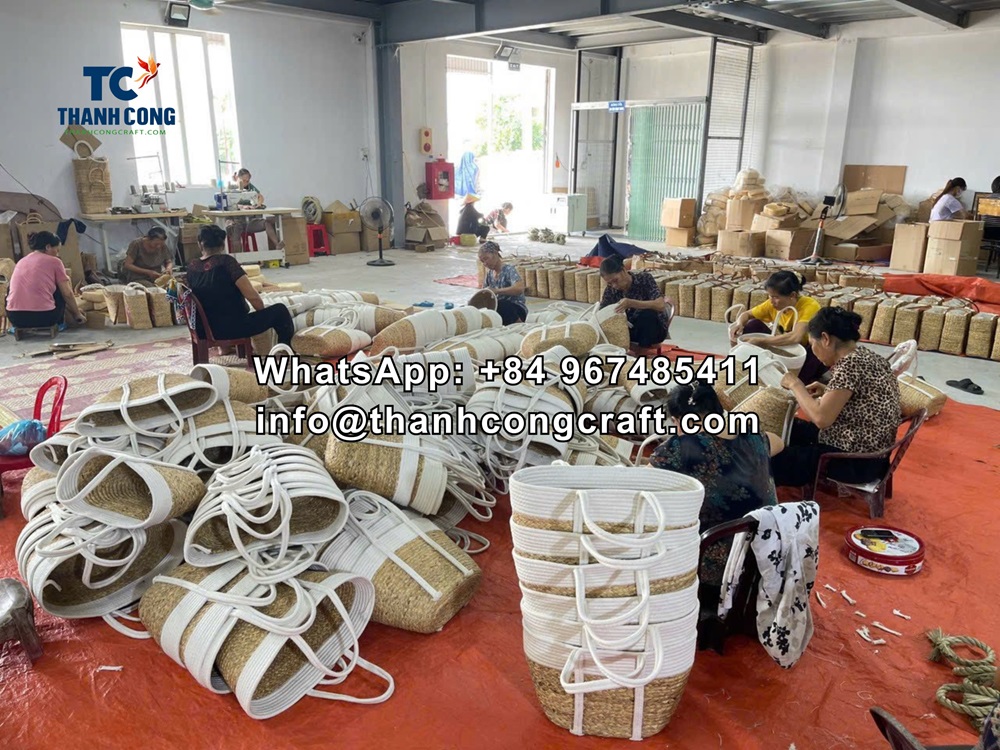
Let’s look at how short-term versus long-term exposure impacts quality:
3.1 Short-term Moisture Exposure
A brief splash or light wipe with water causes minimal harm. If dried promptly, no structural change occurs.
3.2 Long-term Damage and Prevention
Leaving the basket soaked for hours or in a humid area leads to mold, odor, and weakening. Prevent this by ensuring airflow and periodic oil coating.
3.3 Lacquered vs. Untreated Baskets
Lacquered or coated baskets resist moisture better and maintain color longer, while untreated ones age beautifully but require extra care.
Explore more: How to Grow Water Hyacinth at Home

4. How to Protect and Maintain Your Water Hyacinth Basket
Proper maintenance extends the life of every Water Hyacinth Basket and keeps it looking its best. Start with preventive care. Avoid exposing it to high humidity or placing it near sinks and windows where condensation builds up.
For daily cleaning, use a soft dry brush or cloth to remove dust. If you need to wash it, mix mild detergent with lukewarm water and clean gently. Never soak it fully; a damp wipe is enough. After cleaning, always dry it thoroughly in a well-ventilated area.
Natural oils—like coconut or linseed—can be applied occasionally to maintain shine and water resistance. They also prevent cracking and help repel moisture naturally.
In tropical or humid environments, proper storage is crucial. Keep baskets in open shelves or use silica gel packs to absorb moisture. Periodically air them out, especially during rainy seasons.
Eventually, some baskets might show signs of wear—edges fraying, color fading, or minor warping. In such cases, re-coating with a thin layer of eco varnish can bring them back to life. However, if structural damage is extensive, replacing them ensures continued safety and beauty.
Read our insights on: How to Color Your Water Hyacinth Baskets for a Fresh Look

5. Why Choosing the Right Supplier Matters
For wholesalers and retailers, the longevity of a Water Hyacinth Basket begins with the supplier’s craftsmanship and quality control. Skilled artisans know how to pre-treat fibers before weaving—sun-drying them evenly and applying protective coatings that reduce moisture absorption.
Exporters who follow international standards also perform moisture testing before shipment. This ensures that each basket meets the humidity requirements for export, preventing mold during long-distance transport. Reliable suppliers pack products with desiccants and seal cartons to maintain fiber stability.
Choosing certified suppliers matters not just for quality, but also for brand reputation. Customers increasingly value sustainability and durability. Working with reputable manufacturers ensures consistent quality and ethical production practices.
Bulk buyers should always check for compliance with eco-certifications, sample test results, and finishing standards. A well-treated basket retains its form and beauty far longer than untreated alternatives, leading to fewer returns and higher customer satisfaction.
To sum up, the right supplier combines craftsmanship, consistency, and environmental responsibility. Their process—from harvesting to finishing—defines how your basket performs once it reaches customers’ homes.
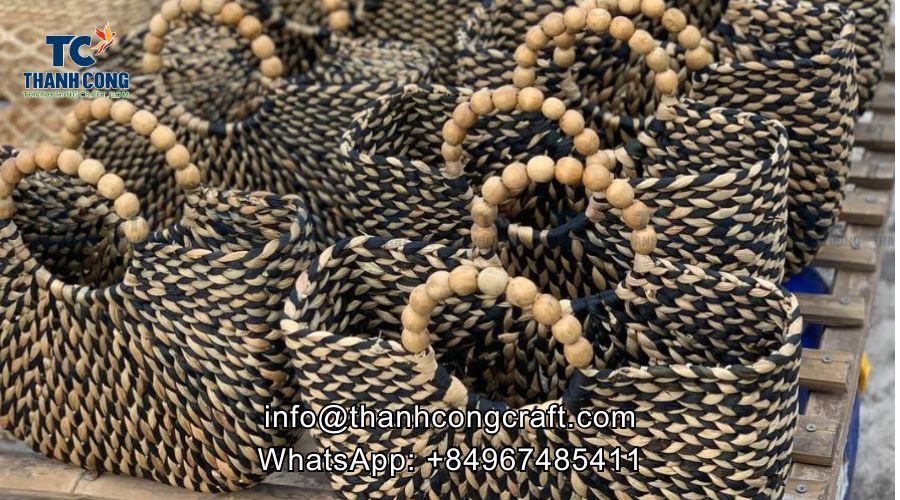
Reach out to us today to learn more about our products or to place a wholesale order. We look forward to connecting with you!
- Thanh Cong Handicraft Co., Ltd
- Email: [email protected]
- Tel/WhatsApp: +84967485411
Explore our Products Collection for more choices! Contact Us!


