

Mother of pearl furniture suits interior styles that emphasize decoration, light reflection, and craftsmanship rather than heavy functional use. As a result, it performs best in interiors where designers treat furniture as a visual accent instead of a high-impact utility piece. For B2B buyers, therefore, matching interior style with usage intensity remains essential to long-term satisfaction.
Contents
- 1. What Does “Style Compatibility” Mean for Mother of Pearl Furniture?
- 2. How Mother of Pearl Furniture Performs in Classic, Luxury, and Decorative Interiors
- 3. How Contemporary, Transitional, and Boutique Hospitality Styles Use Mother of Pearl
- 4. Interior Styles Where Mother of Pearl Furniture Is Less Suitable
- 5. How Regional Interior Preferences Affect Style Suitability (US, EU, Middle East)
1. What Does “Style Compatibility” Mean for Mother of Pearl Furniture?
When evaluating interior style compatibility, buyers should view mother of pearl furniture differently from solid wood, metal, or upholstered pieces. Its primary value lies in surface decoration and light interaction rather than structural performance. For this reason, interior context strongly shapes where and how specifiers should use it.
From a manufacturing perspective, craftsmen apply mother of pearl inlay to enhance visual depth and highlight artisanal workmanship. The material does not aim to compete with industrial or utility-driven furniture. Instead, interiors that allow decorative surfaces to remain visually prominent naturally support its strengths.
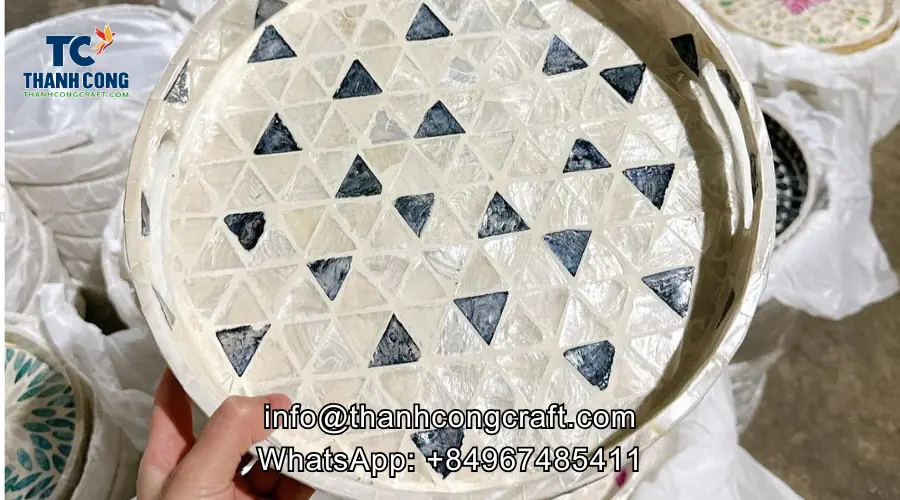
Style compatibility also includes behavioral expectations. In interiors where users frequently move, stack, or heavily load furniture, mother of pearl becomes more vulnerable to surface wear. In contrast, interiors that emphasize curated placement and visual balance tend to preserve its appearance over time.
Many post-sale issues occur when buyers treat mother of pearl furniture as interchangeable with more utilitarian materials. By aligning style intent with functional reality, buyers significantly reduce this risk.
Explore our post: Why Use Mother of Pearl Spoon for Caviar ?

2. How Mother of Pearl Furniture Performs in Classic, Luxury, and Decorative Interiors
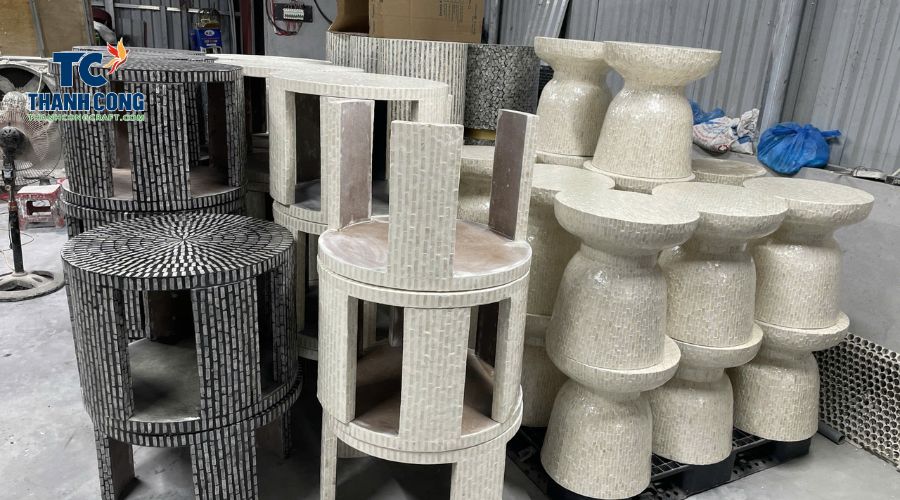
Classic and luxury interiors consistently provide the most suitable environment for mother of pearl furniture. These styles prioritize craftsmanship, surface detailing, and material richness. Consequently, mother of pearl aligns naturally with their design language.
In classic interiors, furniture often features carved wood, symmetrical layouts, and polished finishes. Designers integrate mother of pearl inlay smoothly as a decorative accent rather than a dominant mass. Common applications include cabinets, side tables, mirrors, and consoles.
Luxury interiors often rely on controlled lighting and layered materials to create spatial depth. Mother of pearl responds particularly well to ambient and accent lighting, where its iridescence adds subtle movement without overwhelming the space. This interaction reinforces a refined and composed atmosphere.
Based on long-term export experience, these interiors generate the fewest complaints related to durability or appearance. Simply put, decorative expectations align closely with the material’s strengths and limitations.
3. How Contemporary, Transitional, and Boutique Hospitality Styles Use Mother of Pearl
Mother of pearl furniture can also function effectively in contemporary and transitional interiors when designers use it selectively. These styles value restraint, clean forms, and intentional contrast. Accordingly, mother of pearl works best as a highlight rather than a dominant surface.
In contemporary interiors, neutral color palettes and simple geometries create a calm visual foundation. Small-scale mother of pearl furniture introduces texture and light reflection without disrupting visual order. However, excessive use can quickly feel overpowering in these settings.
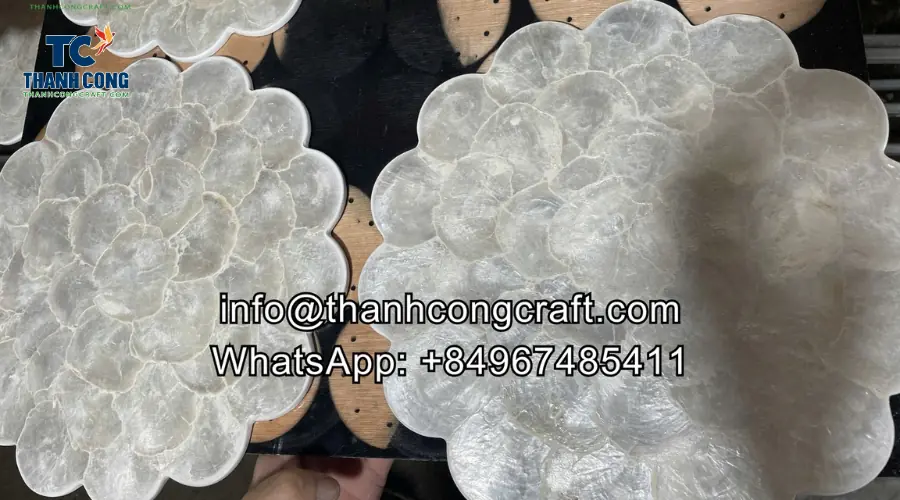
Transitional interiors blend traditional craftsmanship with modern silhouettes. Mother of pearl naturally bridges these influences by combining artisanal material with simplified form. This balance explains its popularity in high-end residential and mixed-style projects.
In boutique hospitality environments, designers often place mother of pearl furniture in lobbies, suites, or lounge areas. These zones prioritize atmosphere and brand identity over constant physical interaction. As a result, this placement strategy supports both aesthetics and long-term durability.
4. Interior Styles Where Mother of Pearl Furniture Is Less Suitable
Not all interior styles provide a supportive environment for mother of pearl furniture. Certain design languages conflict with its refined surface and decorative intent. Recognizing these limits is essential for accurate product positioning.
Industrial interiors emphasize raw textures such as exposed concrete, steel, and unfinished wood. In this context, mother of pearl’s polished and reflective surface often feels visually disconnected. Rather than enhancing contrast, the combination can appear unintentional.
Ultra-minimalist interiors prioritize reduction and visual silence. Mother of pearl introduces natural variation and light play, which contradict minimalist principles. Even when used sparingly, decorative shell surfaces may disrupt the intended calm.
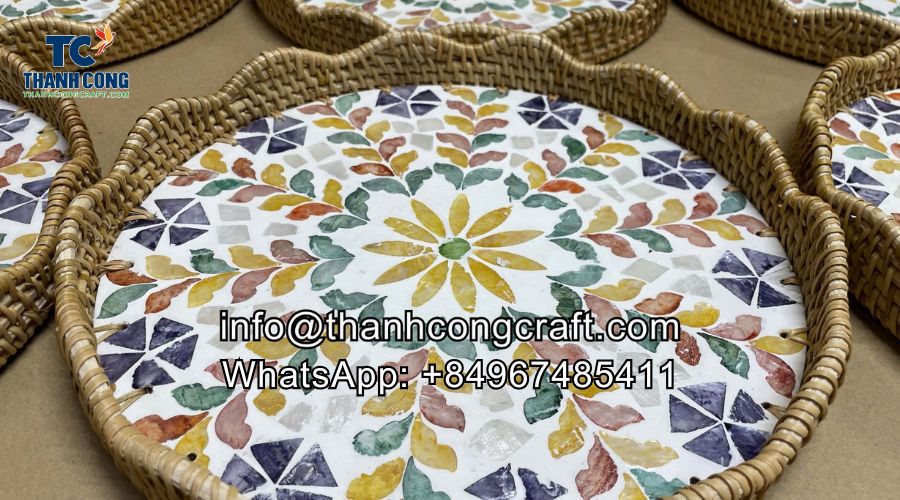
Rustic interiors focus on tactile warmth and organic imperfection. While mother of pearl remains a natural material, its smooth finish and iridescence feel overly refined compared to weathered wood or woven fibers. In these spaces, designers typically favor less processed materials.
For B2B buyers, avoiding these mismatches prevents dissatisfaction and reduces return or replacement risk downstream.
See more posts: How to Clean Mother of Pearl Spoon Without Damaging Its Shine
5. How Regional Interior Preferences Affect Style Suitability (US, EU, Middle East)
Interior style preferences vary significantly across markets, influencing how designers and end users perceive mother of pearl furniture. Therefore, these regional differences directly affect product performance and buyer expectations.
In the United States, designers commonly place mother of pearl furniture in luxury, coastal, and transitional interiors. They typically use it as a statement accent rather than a functional centerpiece. This approach aligns well with residential usage patterns and supports long-term appearance.
In the European Union, particularly Western Europe, interiors often emphasize restraint and proportion. Buyers use mother of pearl sparingly in classic or boutique-style spaces. As a result, subtle inlay patterns are preferred over large decorative surfaces.
In the Middle East, interior styles frequently highlight luxury, symmetry, and layered materials. Mother of pearl furniture integrates naturally into these environments, especially in climate-controlled interiors. Stable temperature and humidity further enhance material longevity.
Taken together, these regional distinctions show why a single interior positioning strategy rarely works across all export markets.
Learn more about: Mother of Pearl Trays Import Duty – Customs & Tax Guide for Oman
Reach out to us today to learn more about our products or to place a wholesale order. We look forward to connecting with you!
- Thanh Cong Handicraft Co., Ltd
- Email: [email protected]
- Tel/WhatsApp: +84967485411
Explore our Products Collection for more choices! Contact Us!


