

Luxury chocolate gifts in the Middle East are considered luxurious not primarily because of the chocolate itself, but because of how the gift communicates respect, generosity, and cultural awareness. While ingredients and craftsmanship matter, gifting traditions in the region place greater emphasis on presentation, symbolism, and the experience surrounding the gift. As a result, luxury is evaluated through visual impact, perceived effort, and social meaning rather than taste alone.
Contents
- 1. Why Chocolate Gifting in the Middle East Follows Different Luxury Rules
- 2. How Presentation Defines Luxury Chocolate Gifts More Than Taste
- 3. Why Materials and Craftsmanship Signal Respect and Status
- 4. How Usage Context Shapes Luxury Expectations in Chocolate Gifting
- 5. How Luxury Chocolate Gifting in the Middle East Differs From US and EU Markets
1. Why Chocolate Gifting in the Middle East Follows Different Luxury Rules
Luxury gifting in the Middle East operates under a distinct cultural framework that differs significantly from Western markets. Chocolate is rarely viewed as a casual or purely consumable product. Instead, it functions as a social gesture embedded in hospitality, family visits, and formal occasions.
In many gifting scenarios, the chocolate itself is only one component of a broader expression of respect. The act of giving must signal generosity, thoughtfulness, and status. As a result, a premium chocolate brand that succeeds in Europe or North America may fail to communicate luxury in Middle Eastern contexts if it relies solely on product quality or brand reputation.
Another key difference lies in how luxury is perceived. In Western markets, luxury often aligns with restraint, minimalism, and subtlety. In contrast, Middle Eastern gifting traditions frequently associate luxury with abundance, visibility, and presence. A gift that appears too simple or understated may unintentionally convey a lack of effort.
Because of this, chocolate gifting follows a different set of expectations. Luxury is not judged only by cocoa percentage or origin but by how well the gift aligns with cultural norms of honor, hospitality, and social signaling.
Read more about: How Durable Is Mother of Pearl Furniture for Everyday Use?
2. How Presentation Defines Luxury Chocolate Gifts More Than Taste
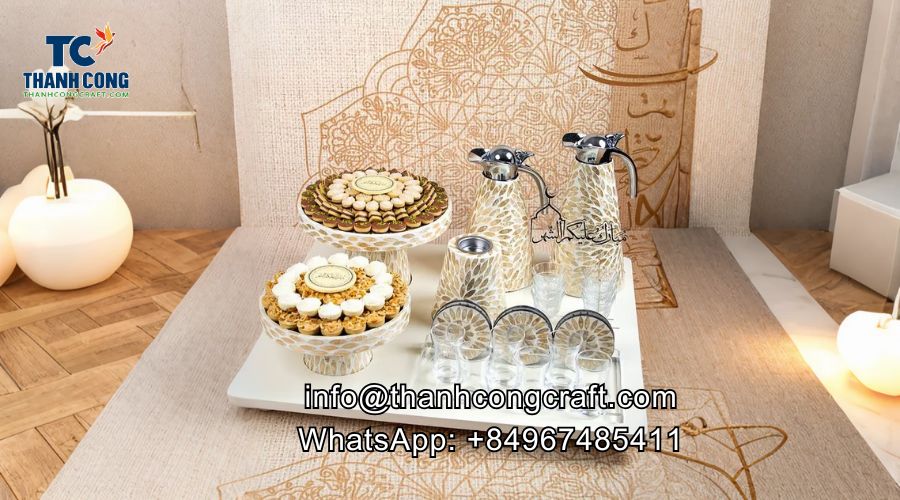
Presentation is the primary evaluation layer for luxury chocolate gifts in the Middle East. Long before the chocolate is tasted, the recipient forms an impression based on visual richness, structure, and scale.
Packaging and display act as symbolic indicators of generosity. Larger formats, multi-compartment arrangements, and structured layouts often signal abundance and care. In contrast, minimalist packaging—commonly associated with sophistication in Western markets—may be perceived as insufficient or incomplete.
Another important factor is visual density. Gifts that appear “full” and carefully arranged tend to communicate higher value than those with excessive empty space. The visual weight of the gift matters, as it reflects the giver’s intention and respect for the recipient.
Additionally, presentation often determines whether the chocolate is consumed immediately or displayed during social gatherings. In many cases, luxury chocolate gifts are meant to be shown, shared, and admired before they are eaten. This dual role elevates presentation from a secondary consideration to a defining element of luxury.
3. Why Materials and Craftsmanship Signal Respect and Status
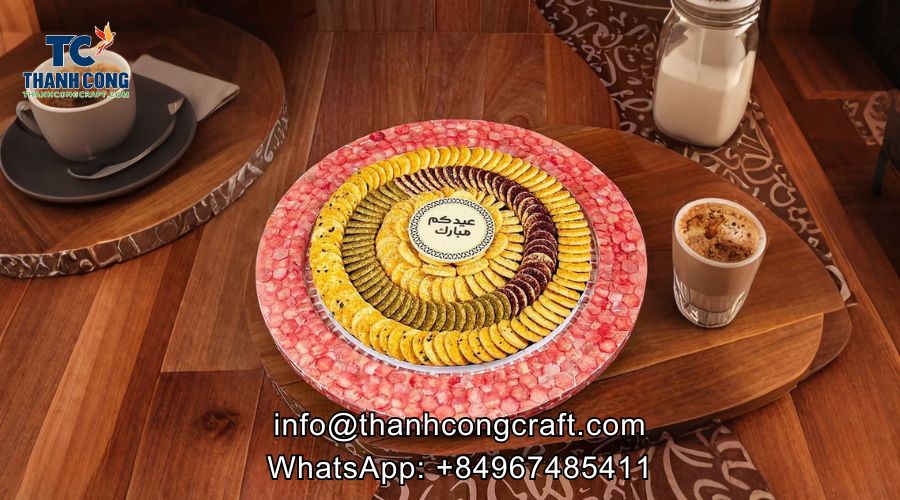
In Middle Eastern luxury gifting, materials function as a non-verbal language. The weight, texture, and durability of a chocolate presentation all contribute to perceived value and status.
Heavier, solid materials often convey permanence and seriousness, while lightweight or disposable materials can undermine the sense of luxury. This is particularly relevant in gifting contexts where the object remains visible after the chocolate has been consumed.
Craftsmanship plays a parallel role. Handcrafted details signal time, effort, and intention—qualities that are highly valued in gift-giving traditions. A handcrafted presentation suggests that the gift was carefully considered rather than mass-produced for convenience.
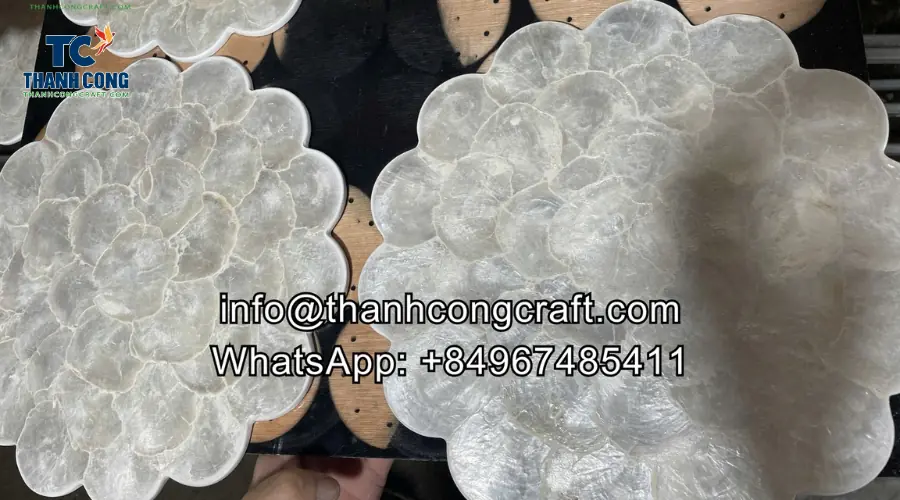
Importantly, craftsmanship can sometimes substitute for brand prominence. In situations where overt logos may feel inappropriate or excessive, refined craftsmanship communicates luxury more subtly and culturally appropriately.
Together, material quality and craftsmanship reinforce the idea that luxury is not only about what is given, but about how thoughtfully it is presented.
Explore more: Can Artificial Lighting Cause Mother of Pearl Inlay to Fade?
4. How Usage Context Shapes Luxury Expectations in Chocolate Gifting
Luxury chocolate gifts in the Middle East are used across a wide range of contexts, each with its own expectations and social rules. Family visits, religious celebrations, and corporate gifting all require different approaches to presentation and format.
In family and hospitality settings, gifts are often shared among multiple guests. This makes accessibility, portioning, and visual abundance especially important. The presentation must support communal enjoyment while maintaining an elevated appearance.
During religious holidays and special occasions, gifting carries symbolic meaning. The gift is not only a token of appreciation but also a reflection of cultural awareness and respect. In these cases, presentation often emphasizes formality and ceremonial value.
Corporate gifting introduces another layer of complexity. Gifts must balance luxury with appropriateness, avoiding excess while still signaling respect and professionalism. Reusability becomes particularly important here, as long-lasting presentation pieces extend the value of the gift beyond the initial moment.
Across all contexts, luxury expectations are shaped by how the gift fits into the social environment in which it is given and received.
5. How Luxury Chocolate Gifting in the Middle East Differs From US and EU Markets
Comparing Middle Eastern luxury chocolate gifting with US and EU markets highlights fundamental differences in consumer priorities and cultural values.
In the United States, chocolate gifting is often driven by convenience, seasonality, and impulse purchases. Packaging tends to emphasize branding and portability, with a focus on immediate consumption.
European markets typically place greater emphasis on product craftsmanship, origin, and subtle refinement. Luxury is frequently associated with restraint, storytelling, and artisanal credentials.
In contrast, Middle Eastern markets prioritize generosity, visual impact, and long-term presence. Gifts are expected to communicate effort and respect through scale, structure, and durability. Presentation is not merely a protective layer but an integral part of the luxury experience.
For global brands, this means that successful luxury gifting strategies cannot rely on universal standards. Instead, they must adapt the underlying logic of luxury to align with regional cultural expectations rather than simply adjusting surface-level design elements.
Related reading: Are Mother of Pearl Placemats Heat-Resistant?
Reach out to us today to learn more about our products or to place a wholesale order. We look forward to connecting with you!
- Thanh Cong Handicraft Co., Ltd
- Email: [email protected]
- Tel/WhatsApp: +84967485411
Explore our Products Collection for more choices! Contact Us!


