

Chocolate display materials must balance product protection, brand perception, and usage context when brands change displays. Factors such as climate exposure, retail handling, and gifting expectations directly affect which display solutions perform effectively. As a result, materials that look suitable in concept may fail in real-world retail environments.
Contents
- 1. Why Chocolate Display Materials Influence Brand Perception More Than Expected?
- 2. How Climate And Environment Affect Chocolate Display Performance?
- 3. Comparing Common Chocolate Display Materials And Their Limitations
- 4. Why Consumer Interaction And Retail Handling Matter More Than Design Concepts?
- 5. Market-Specific Expectations When Updating Chocolate Display Materials
1. Why Chocolate Display Materials Influence Brand Perception More Than Expected?
Chocolate display materials play a more critical role in brand perception than many brands initially anticipate. While packaging often receives the most design attention, the display environment is where consumers form immediate judgments about quality, craftsmanship, and price positioning. Therefore, a mismatch between product and display can dilute brand value even when the chocolate itself is premium.
In practice, displays function as silent brand ambassadors at the point of decision. Materials that feel lightweight, overly industrial, or visually generic may unintentionally signal mass-market positioning. However, premium chocolates rely heavily on sensory cues, and display materials influence how consumers interpret freshness, care, and authenticity.
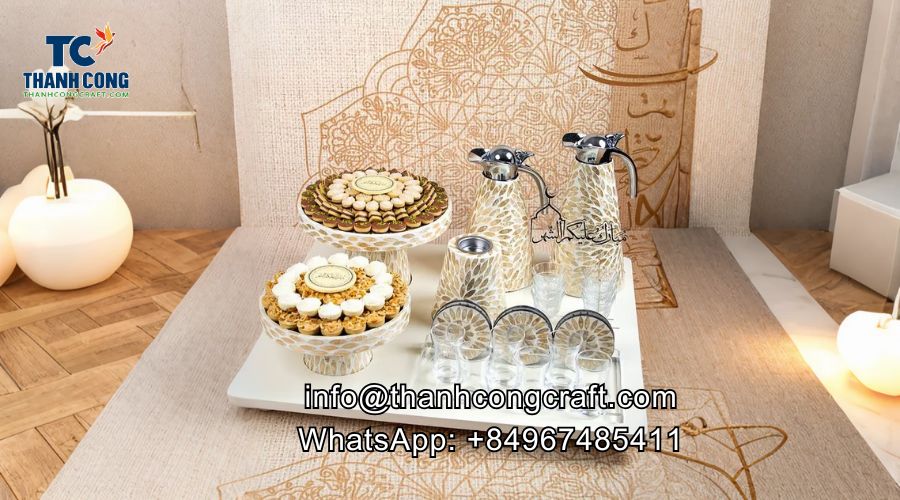
Moreover, the tactile and visual interaction with display materials affects dwell time. When materials feel cold, fragile, or purely functional, shoppers engage less emotionally. As a result, brands risk reducing perceived uniqueness without changing the product itself.
From a buyer journey perspective, brand owners often reassess displays only after noticing declining in-store engagement. However, by that stage, display materials may already be reinforcing outdated brand narratives that no longer align with premium positioning.
Discover more: Is Mother of Pearl a Natural Material or Synthetic?
2. How Climate And Environment Affect Chocolate Display Performance?
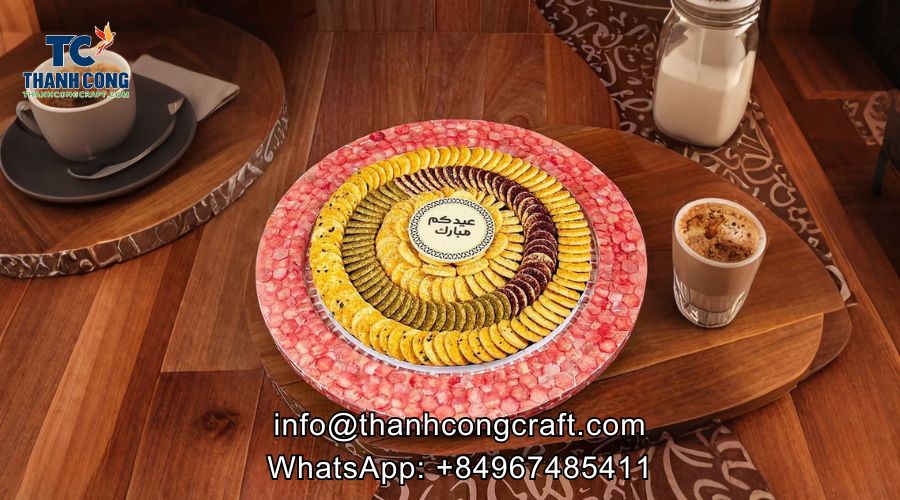
Chocolate display materials must respond effectively to environmental conditions, particularly temperature, humidity, and lighting. Unlike many dry goods, chocolate is highly sensitive to external factors, which makes display selection a functional decision rather than a purely aesthetic one.
In warmer or more humid regions, such as parts of the Middle East, display materials that trap heat or lack ventilation can accelerate bloom or surface condensation. As a result, even premium chocolate may appear compromised, affecting consumer trust. Therefore, materials that allow airflow while maintaining visual appeal are often preferred in these environments.

By contrast, in controlled retail settings common in the US and EU, lighting becomes a primary concern. Reflective or glossy display surfaces can amplify heat from spotlights, while darker materials may absorb warmth. In practice, brands must evaluate how materials behave under sustained exposure rather than relying on showroom conditions.
Additionally, seasonal changes influence display longevity. Materials that warp, discolor, or degrade under fluctuating conditions create inconsistency across retail locations. As a result, brands seeking standardized global presentation must consider environmental adaptability when changing displays.
This environmental sensitivity explains why some visually striking display concepts underperform when scaled across regions, even if initial trials appear successful.
3. Comparing Common Chocolate Display Materials And Their Limitations
Chocolate display materials typically fall into a few common categories, each with inherent strengths and constraints. Understanding these limitations helps brands avoid assumptions based solely on visual appeal.
| Material Type | Key Strengths | Common Limitations |
|---|---|---|
| Glass | Clean, premium look | Heat retention, glare, fragility |
| Paperboard | Lightweight, low cost | Moisture sensitivity, short lifespan |
| Metal | Durable, modern aesthetic | Cold feel, heat conduction |
| Acrylic | Transparent, customizable | Scratches, static attraction |
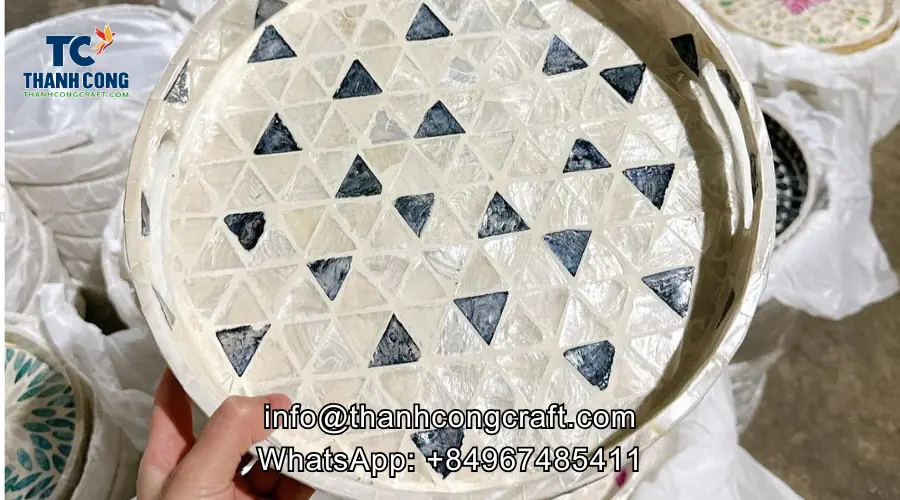
| Handcrafted materials | Warm, tactile, artisanal | Variability, perceived fragility |
Glass displays often communicate luxury but introduce risks related to temperature and breakage. Therefore, they perform best in controlled, low-traffic environments. Paperboard displays, while cost-effective, often fail to maintain appearance over time, especially in humid climates.

Metal structures provide durability but may conflict with chocolate’s sensory positioning. The cold, industrial feel can create emotional distance between the product and the consumer. Acrylic offers visibility but scratches easily, which affects long-term presentation.
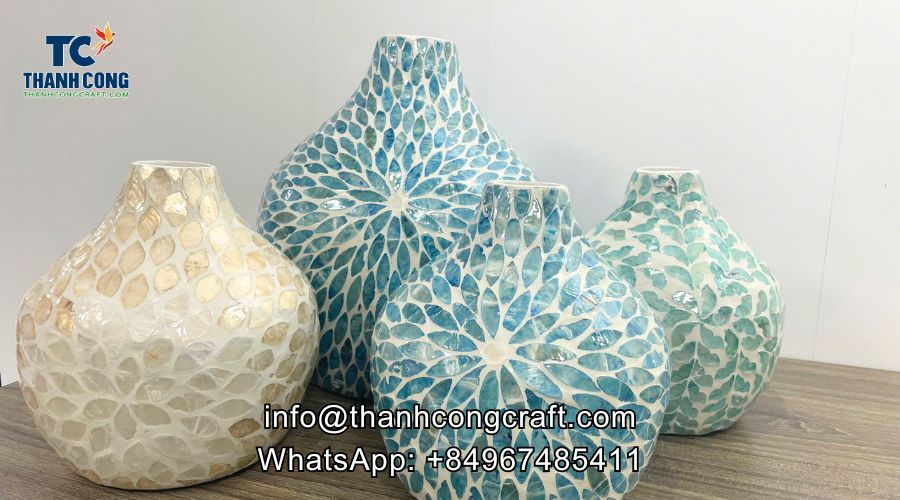
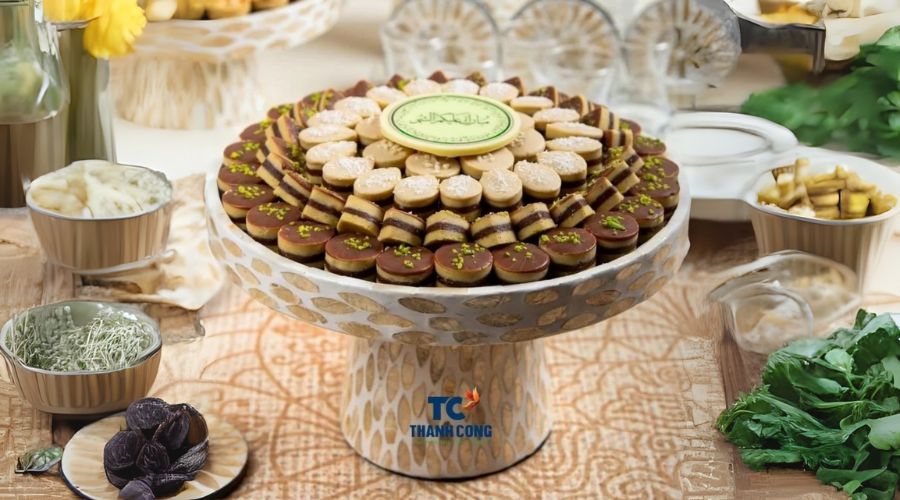
Handcrafted decorative materials, when thoughtfully designed, introduce warmth and narrative value. However, brands must ensure structural consistency and proper finishing to avoid concerns about hygiene or durability. In practice, the success of these materials depends on execution quality rather than material choice alone.
Read in detail: Are Mother of Pearl Placemats Heat-Resistant?
4. Why Consumer Interaction And Retail Handling Matter More Than Design Concepts?
Chocolate display materials must withstand real-world handling rather than idealized retail scenarios. While design concepts often assume gentle interaction, actual retail environments involve frequent restocking, consumer touch, and movement.
In high-traffic locations, displays are adjusted multiple times per day. Materials that chip, scratch, or stain easily may deteriorate quickly, creating visual inconsistency across stores. As a result, a display solution that looks premium at launch may appear neglected within weeks.
Consumer behavior also varies by market. In the US, self-service retail dominates, meaning displays must accommodate frequent direct contact. Therefore, materials must balance tactile appeal with resilience. In contrast, some Middle Eastern retail environments rely more on assisted service, allowing for more decorative but less robust display solutions.
Furthermore, gifting-focused purchases introduce additional expectations. Displays that feel too utilitarian may undermine the emotional value of gifting, even if the product is premium. In practice, brands must consider whether displays support impulse gifting or purely functional selection.
These interaction dynamics explain why display changes often underperform when brands prioritize visual differentiation over practical use.
Find out more: Can Mother of Pearl Trays Be Used for Food?
5. Market-Specific Expectations When Updating Chocolate Display Materials
Chocolate display materials must align with regional retail norms and cultural expectations. A solution that works in one market may create friction in another, even within the same brand portfolio.
In the US, displays are often evaluated based on clarity, accessibility, and space efficiency. Retailers expect modular systems that integrate seamlessly with existing shelving. Therefore, overly ornate displays may face resistance despite strong visual appeal.
In the EU, sustainability and material authenticity influence acceptance. Displays perceived as disposable or overly synthetic may conflict with brand values centered on craftsmanship and environmental responsibility. As a result, materials that age gracefully or communicate longevity often perform better.
Middle Eastern markets place higher emphasis on gifting and visual richness. Display materials that convey abundance, craftsmanship, and decorative value align more closely with consumer expectations. However, climate considerations remain critical, requiring materials that handle heat and humidity without degradation.
Across all markets, brands increasingly evaluate displays as part of the broader brand ecosystem rather than isolated assets. Therefore, changing display materials becomes a strategic decision that influences long-term brand perception, not merely a seasonal refresh.
Reach out to us today to learn more about our products or to place a wholesale order. We look forward to connecting with you!
- Thanh Cong Handicraft Co., Ltd
- Email: [email protected]
- Tel/WhatsApp: +84967485411
Explore our Products Collection for more choices! Contact Us!


