

Which country is famous for bamboo is a question that sparks curiosity among designers, importers, and eco-conscious businesses. Across Asia, Africa, and South America, bamboo thrives in diverse climates and has been transformed into countless products for centuries. Yet among all these nations, Vietnam has emerged as a leader not only in cultivation but in exporting high-quality bamboo crafts worldwide. This article explores the top countries recognized for their bamboo, the cultural and economic significance of this remarkable plant, and the reasons behind Vietnam’s global dominance in the export market.
Contents
1. Global Presence of Bamboo and Its Cultural Importance
Bamboo grows naturally across many parts of the world, particularly in tropical and subtropical regions. In Asia, it is woven into the fabric of everyday life, from construction and furniture making to utensils and musical instruments. Bamboo serves as an affordable and sustainable building material in Africa, while in South America, it supports rural economies and artisan traditions.
In many cultures, bamboo is more than just a plant. It is a symbol of resilience, flexibility, and harmony with nature. This deep cultural connection is one reason why so many countries are recognized for their bamboo production. However, the economic value of bamboo has also risen significantly in recent decades, driven by the global demand for sustainable and renewable materials.
You might also like: What Are Bamboo Straws? Are Bamboo Straws Good For The Environment?
2. Top Countries Famous for Bamboo Production
2.1 China – The Historical Powerhouse
China is perhaps the most widely recognized bamboo producer. With thousands of years of cultivation, it has perfected the use of bamboo for both practical and artistic purposes. Chinese artisans have developed techniques for creating durable flooring, elegant furniture, and decorative pieces that are exported worldwide. The country also invests heavily in bamboo research, ensuring new industrial applications such as bamboo fiber textiles and biodegradable packaging.
2.2 India – The Versatile Contributor
India ranks among the largest bamboo-growing nations. Its varied climate supports numerous species, and the plant plays a crucial role in rural livelihoods. From baskets to scaffolding, Indian bamboo serves industries ranging from handicrafts to infrastructure. The government has also introduced initiatives to boost bamboo farming, aiming to increase both domestic use and export potential.
2.3 Indonesia – Island Diversity and Craftsmanship
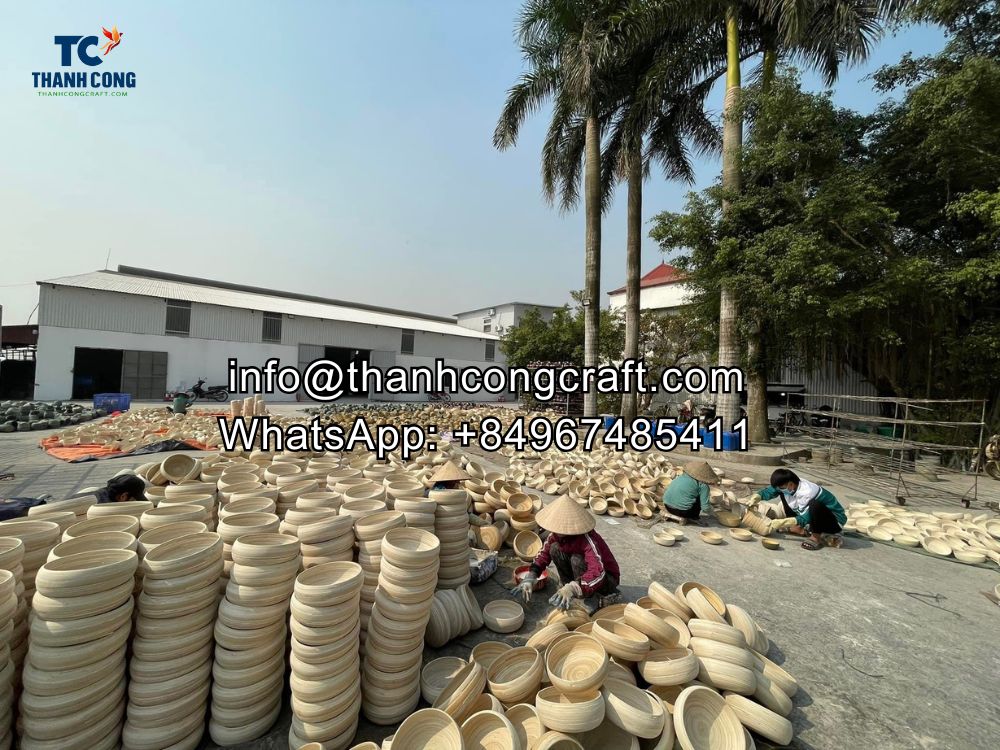
Indonesia’s unique geography and tropical climate allow for diverse bamboo species to flourish. Skilled artisans use it to make traditional musical instruments, intricate furniture, and eco-friendly architecture. The international market values Indonesian bamboo products for their aesthetic appeal and craftsmanship rooted in cultural heritage.
2.4 Thailand – The Sustainable Innovator
Thailand has positioned itself as an innovator in bamboo processing. While it exports traditional products such as mats and baskets, it also explores modern applications, including bamboo bicycles and laminated boards. These innovations align with the country’s focus on sustainable development and green technology.
2.5 Vietnam – The Emerging Leader
Vietnam’s rise in the global bamboo market is remarkable. Known for its skilled artisans and efficient production methods, Vietnam has become a trusted supplier for wholesalers, retailers, and designers worldwide. Its products range from rustic baskets to sophisticated furniture, all meeting international quality standards.
Read next: How To Make Bamboo Straws? How Much Does It Cost To Make Bamboo Straws?
3. Why Vietnam Leads the Global Bamboo Export Market
3.1 Abundant Natural Resources
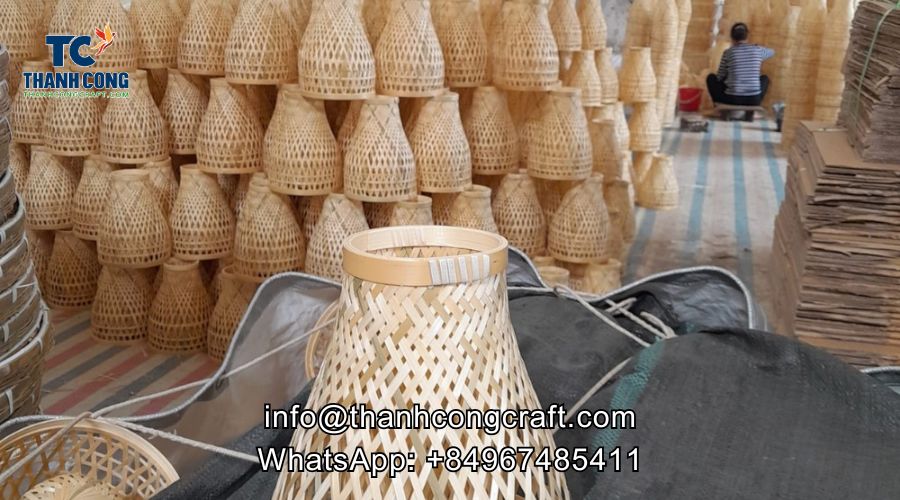
Vietnam’s diverse climate and fertile land allow for abundant bamboo growth across multiple provinces. The availability of raw materials reduces production costs while ensuring a consistent supply for both domestic use and exports.
3.2 Skilled Craftsmanship
Generations of artisans have passed down weaving, carving, and finishing techniques. This heritage blends with modern design trends, enabling Vietnam to produce items that are both authentic and market-ready for international buyers.
3.3 Competitive Pricing and Quality Control
Vietnam offers competitive prices without compromising quality. Exporters work closely with global partners to meet certifications and safety standards, making their products suitable for premium markets in Europe, North America, and the Middle East.
3.4 Strategic Location and Logistics
With access to major shipping routes and well-developed export infrastructure, Vietnam ensures timely deliveries to overseas markets. This reliability has helped strengthen long-term trade relationships.
4. Bamboo Export Trends and Global Demand
The demand for bamboo products is rising as consumers and businesses shift toward eco-friendly materials. Furniture retailers seek bamboo for its durability and natural beauty. Home décor brands value its versatility, while construction companies explore its structural potential.
Markets in Europe, North America, and the Middle East show increasing interest, particularly in sustainable handmade products. Vietnam’s export statistics reflect this growth, with annual increases in both volume and product variety. Trade fairs, online wholesale platforms, and direct B2B partnerships are further expanding the reach of Vietnamese bamboo products.
5. The Future of Bamboo in the Global Market
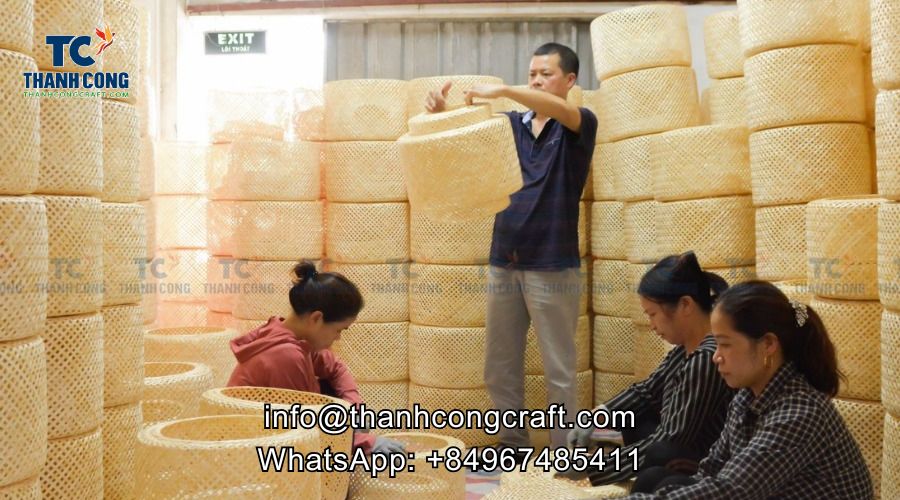
Looking ahead, bamboo’s role in the global economy is set to expand further. Innovations in processing will allow for the creation of new products, from biodegradable food containers to high-performance textiles. Countries famous for bamboo will continue to refine their production techniques, but Vietnam’s focus on quality, sustainability, and market responsiveness gives it a distinct advantage.
The government’s support for rural bamboo farming communities, combined with private sector investment in technology, positions Vietnam to meet the growing demand with both scale and authenticity. As global consumers become more conscious of environmental impact, Vietnam’s blend of tradition and innovation will keep it at the forefront of bamboo exports.
For wholesalers, importers, and designers, this means a wealth of opportunities. Partnering with Vietnamese suppliers not only ensures access to high-quality products but also contributes to a sustainable trade ecosystem that benefits both people and the planet.
Related reading: How To Make Bamboo Activated Charcoal?
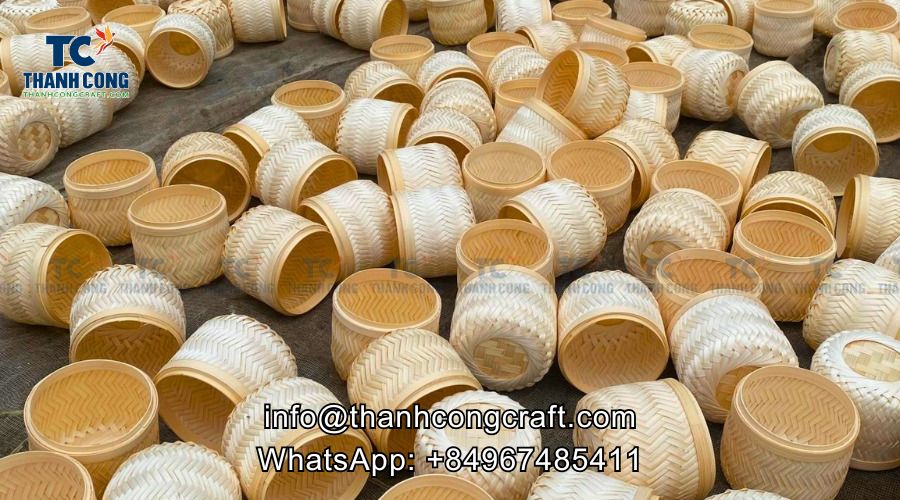
Reach out to us today to learn more about our products or to place a wholesale order. We look forward to connecting with you!
- Thanh Cong Handicraft Co., Ltd
- Email: [email protected]
- Tel/WhatsApp: +84967485411
Explore our Products Collection for more choices! Contact Us!


