

Handicraft has always been more than just a form of artistry; it represents culture, sustainability, and economic opportunity. For centuries, handcrafted products have served as the backbone of community economies. Today, with global buyers searching for unique, sustainable, and eco-friendly goods, handicraft production is emerging as what many call a “silent goldmine.” Consequently, retailers, importers, and wholesalers are realizing that handicrafts can deliver strong profit margins, brand differentiation, and consumer loyalty. This article, therefore, explores the hidden opportunities in handicraft, why it is booming in today’s global market, and how businesses can leverage its growing demand.
Contents
1. Handicraft as a Global Business Opportunity
Handicraft products are no longer confined to local markets or souvenir shops. Instead, the rise of international e-commerce platforms and wholesale sourcing from countries like Vietnam, India, and Indonesia has turned handicrafts into a billion-dollar trade. Unlike mass-produced goods, handmade items carry authenticity, cultural stories, and artisanal value that consumers crave.
Moreover, today’s shoppers prefer home décor, tableware, furniture, and accessories with a personal touch. This preference makes handicraft a powerful competitive advantage for importers. In fact, transitioning from traditional supply chains to global sourcing of handicrafts allows retailers to offer something distinctive while simultaneously aligning with eco-conscious consumer trends.
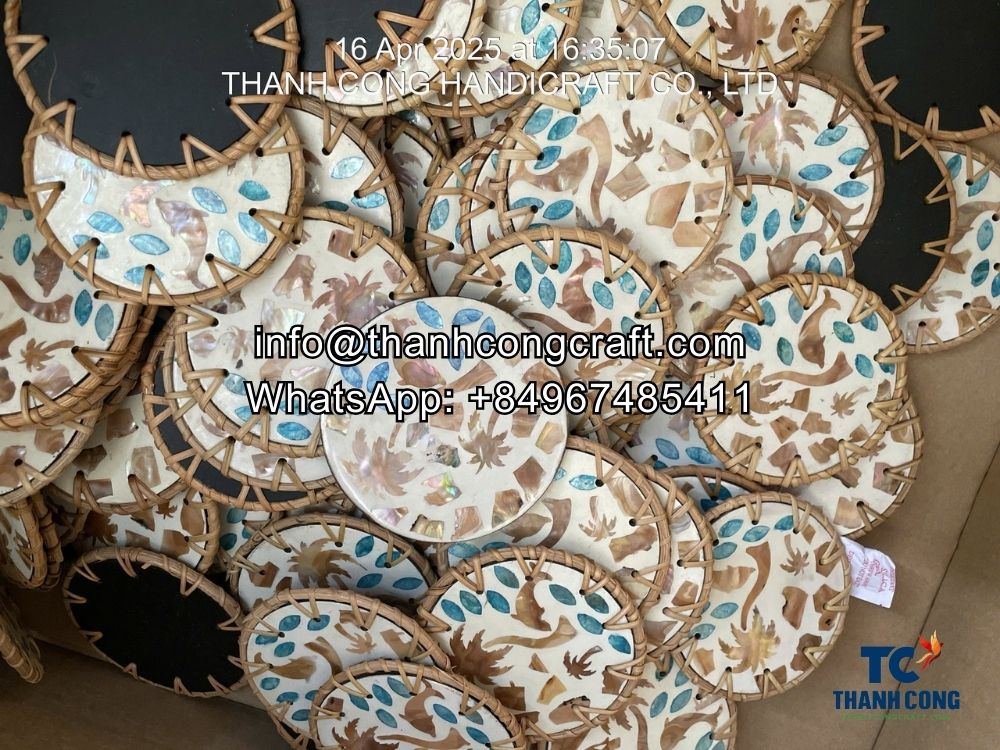
In addition, the wholesale model magnifies the appeal of handicraft. With bulk ordering, businesses enjoy favorable pricing and the ability to scale profit margins. For example, many successful importers report that even niche products like rattan lampshades or mother-of-pearl inlay boxes create long-term revenue streams.
See more: Tax & Import Regulations for Lacquer Placemats in the UK
2. Why Handicraft Is Called a “Silent Goldmine”
Handicraft earns its title as the “silent goldmine” because its value is often underestimated until explored deeply. Unlike industrial products, handicrafts carry both material and intangible value. For example, a bamboo basket is not only useful but also a statement piece of sustainable living. Consequently, this dual functionality makes buyers pay higher prices, generating impressive profit margins.
Furthermore, handicraft thrives in trends without expiring. Minimalist design? Woven seagrass trays fit. Luxury interiors? Mother-of-pearl vases blend effortlessly. Eco-friendly retail? Coconut shell candles lead the category. This adaptability, therefore, makes handicraft an evergreen business.
Not only is it versatile, but the entry cost into handicraft trade is also relatively low. Importers do not need to maintain huge Minimum Order Quantities (MOQs) compared to electronics or fashion. As a result, a modest investment can already deliver a diversified range of products. This low-risk, high-return model explains why handicraft is a goldmine few talk about openly, yet many successful importers quietly build wealth with it.

3. Handicraft Categories Driving International Demand
Handicraft markets expand across multiple categories, and each holds specific appeal in the global trade arena.
3.1 Home Décor and Furniture
Handmade bamboo, rattan, and water hyacinth items are driving eco-luxury interiors. Consequently, chairs, coffee tables, and decorative baskets are popular with both wholesalers and retailers targeting design-conscious customers.
3.2 Kitchen and Dining Ware
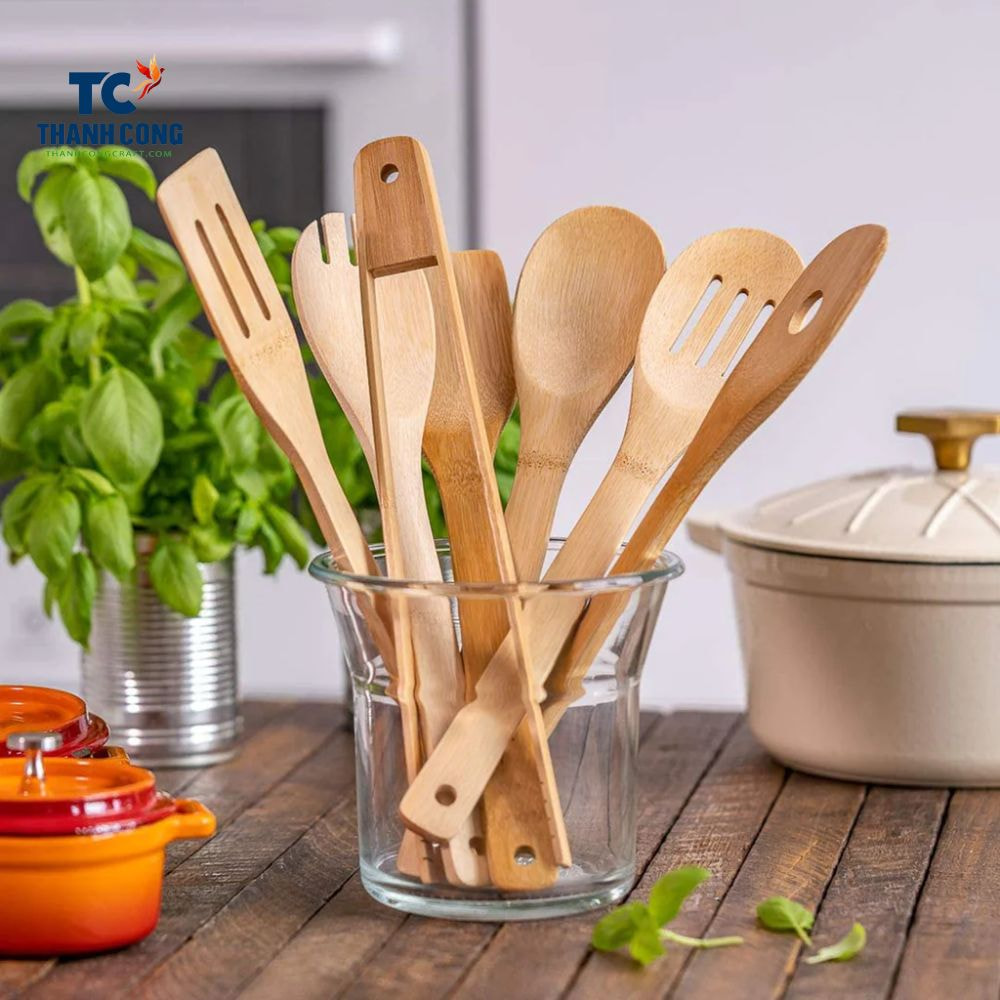
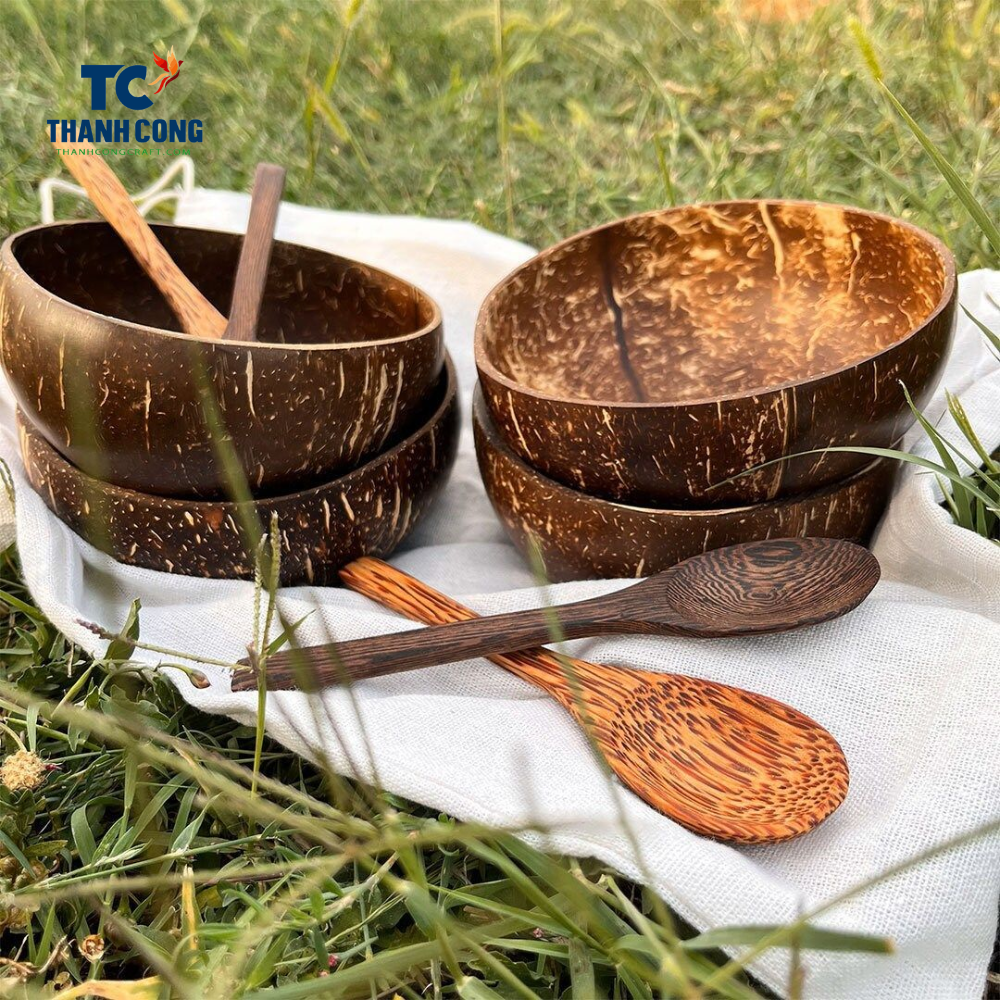
Coconut bowls, bamboo cutlery, and lacquerware are trendy in eco-conscious dining. Moreover, restaurants and hospitality businesses seek wholesale suppliers who provide these artisanal yet practical items.
3.3 Lighting Products
Rattan lampshades and seagrass pendant lights remain favorites for homes, hotels, and resorts. Therefore, their handmade character transforms plain interiors into warm, natural spaces.
3.4 Fashion and Accessories
Handmade handbags, wallets, and jewelry crafted from sustainable materials like jute or mother-of-pearl appeal to eco-fashion trends. On the other hand, wholesale buyers find these particularly profitable as they serve both luxury and casual markets.
Each of these categories, as a result, demonstrates how handicraft adapts to lifestyle changes while maintaining cultural authenticity.
Discover our post: Wholesale Price vs Small Order: Truth Every Importer Must Know
4. Challenges in the Handicraft Supply Chain
Handicraft trade, despite its opportunities, also presents challenges. Importers, however, must consider these carefully to succeed.
4.1 Quality Consistency
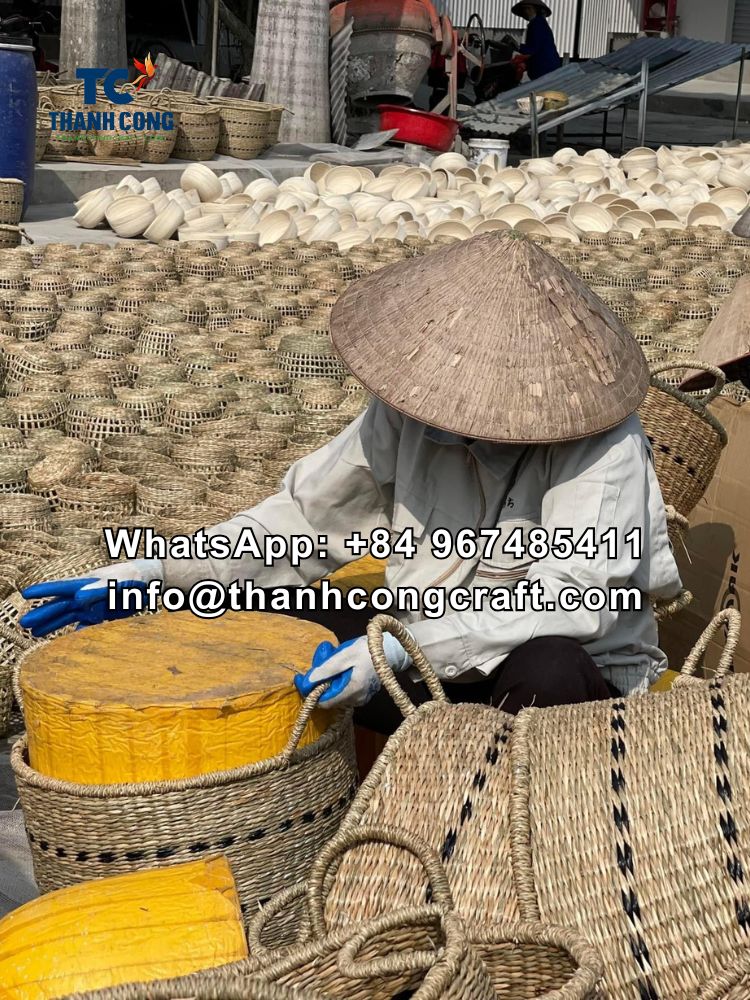
Since items are handmade, no two are exactly alike. While this uniqueness appeals to many, importers must nevertheless set clear quality control standards.
4.2 Logistics and Costs
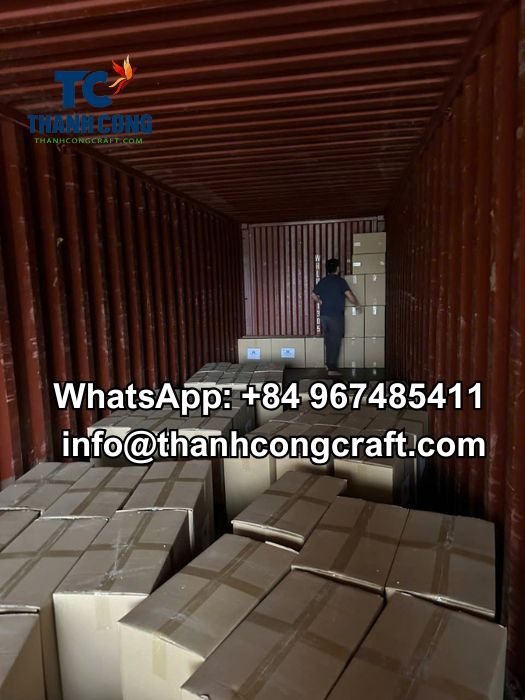
Shipping bulky items like rattan furniture or fragile goods such as mother-of-pearl vases can increase costs. Therefore, businesses must account for freight, insurance, and customs duties.
See more article on: Top-Selling Vietnamese Handicrafts – Retailers Can’t Keep in Stock
4.3 Supplier Selection
Finding trustworthy suppliers is critical. However, poor communication, missed deadlines, or low-quality products can damage brand reputation. This is why many importers prefer long-term partnerships with established companies such as Thanh Cong Handicraft Export Co., Ltd.
Despite these challenges, careful planning, supplier vetting, and transparent contracts reduce risks and ensure profitability.
5. How Importers Can Leverage Handicraft for Growth
Handicraft provides importers with strategies for both short-term sales and long-term brand building.
5.1 Building Brand Identity and Embracing Sustainability
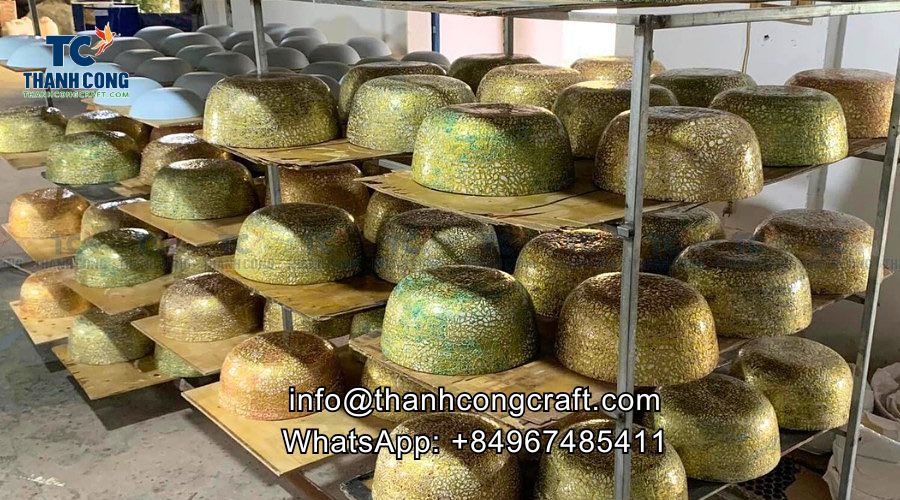
Handicraft provides businesses with a unique opportunity to create a strong and recognizable brand identity. By offering authentic, culturally rich, and eco-friendly products, importers stand out in saturated markets filled with mass-produced goods. Consequently, this differentiation not only builds brand recognition but also cultivates long-term customer loyalty. At the same time, aligning handicraft collections with global sustainability trends enhances market appeal. Modern consumers increasingly prioritize green living, and therefore, showcasing eco-friendly materials and production methods strengthens business positioning. Certifications such as FSC and the use of sustainable packaging further reinforce trust, allowing importers to present handicrafts as both beautiful and responsible lifestyle choices.
5.2 Exploring Niche Markets Through Storytelling
Handicraft also thrives in niche markets where artisanal authenticity commands premium pricing. Luxury resorts, yoga studios, and eco-conscious restaurants, for instance, demand handcrafted décor and dining ware that reflect their unique identities. Consequently, importers who serve these segments secure stable demand with higher margins. Beyond market selection, storytelling plays a pivotal role in amplifying the appeal of handicrafts. By sharing artisan journeys, cultural heritage, and the handmade process, businesses elevate products from simple utilities into emotional lifestyle pieces. Moreover, retailers who embrace storytelling marketing consistently achieve stronger brand engagement, higher conversion rates, and long-term customer loyalty.
Learn more about: Why Importing Baskets in Bulk From Vietnam Could 5x Your Profit

Reach out to us today to learn more about our products or to place a wholesale order. We look forward to connecting with you!
- Thanh Cong Handicraft Co., Ltd
- Email: [email protected]
- Tel/WhatsApp: +84967485411
Explore our Products Collection for more choices! Contact Us!


