

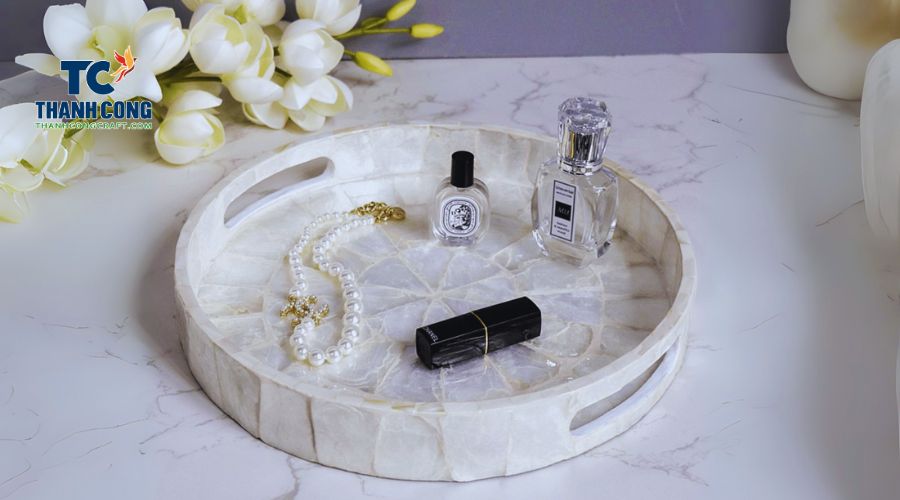
Mother of pearl trays pair best with interior styles that emphasize decoration, light reflection, and curated surface styling rather than heavy daily use. These trays perform most effectively in interiors where designers treat tabletop accessories as visual accents instead of purely functional items. For B2B buyers, therefore, aligning interior style with expected usage intensity remains essential to long-term satisfaction.
Contents
- 1. Why Interior Style Matters When Using Mother of Pearl Trays?
- 2. Which Classic and Luxury Styles Work Best with Mother of Pearl Trays?
- 3. Can Contemporary and Transitional Interiors Use Mother of Pearl Tray Successfully?
- 4. Which Interior Styles Are Less Suitable for Mother of Pearl Trays?
- 5. How Do Regional Interior Preferences Affect Tray Compatibility?
1. Why Interior Style Matters When Using Mother of Pearl Trays?
Interior style plays a decisive role in how mother of pearl trays perform visually and commercially. Unlike purely functional serving trays, mother of pearl trays function primarily as decorative surfaces. Their value comes from light reflection, surface detail, and craftsmanship rather than load-bearing or heavy daily use.
Because of this, the surrounding interior determines whether the tray appears refined or visually misplaced. In well-matched interiors, the tray enhances spatial depth and material contrast. In poorly matched settings, however, it can feel fragile, overly ornate, or impractical.
From a B2B perspective, many buyer complaints stem from style misuse rather than material defects. When retailers or designers place mother of pearl trays in environments with frequent handling or visual clutter, surface wear becomes more noticeable. Therefore, understanding interior context helps buyers align aesthetic intent with real-world usage.
In short, mother of pearl trays perform best when interior style supports decorative intent, controlled placement, and moderate interaction.
See our article on: Does Mother of Pearl Scratch Easily?
2. Which Classic and Luxury Styles Work Best with Mother of Pearl Trays?
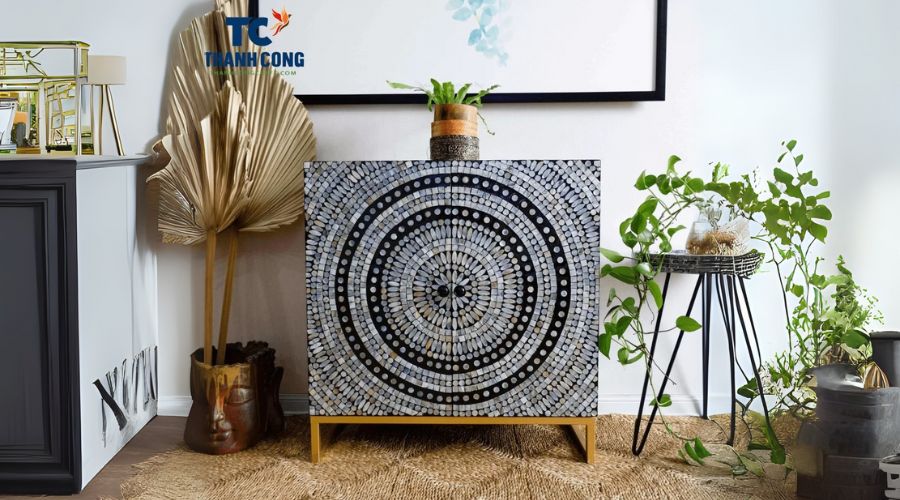
Classic and luxury interiors consistently provide the most compatible environment for trays. These styles emphasize craftsmanship, surface ornamentation, and material richness—qualities that directly align with shell inlay.
In classic interiors, designers often use trays as tabletop accents on consoles, sideboards, or coffee tables. Symmetry, polished wood, and neutral palettes allow mother of pearl to stand out without overwhelming the space. The tray becomes part of a curated composition rather than a standalone object.
Luxury interiors rely heavily on controlled lighting and layered textures. In these spaces, mother of pearl trays interact effectively with ambient and accent lighting. Their iridescence adds subtle movement and visual interest without introducing color dominance.
Export data and post-sale feedback show that trays placed in classic and luxury interiors generate fewer durability complaints. This outcome occurs because buyers naturally treat them as decorative pieces rather than high-frequency service items.
See more: What Makes Oud Burn Better in a Mother of Pearl Mabkhara?
3. Can Contemporary and Transitional Interiors Use Mother of Pearl Tray Successfully?
Contemporary and transitional interiors can support mother of pearl trays when designers apply them selectively. These styles prioritize clean lines, visual balance, and intentional contrast. As a result, restraint becomes essential.
In contemporary interiors, neutral color schemes and minimal ornamentation create a calm visual backdrop. A single mother of pearl tray introduces texture and light reflection without disrupting order. However, oversized or heavily patterned trays can feel excessive in these settings.
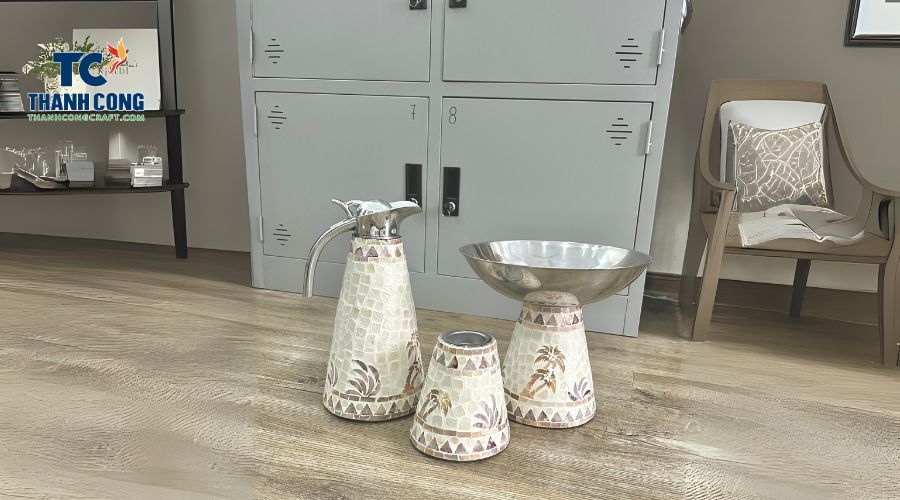
Transitional interiors blend traditional materials with modern forms. Mother of pearl trays fit naturally into this hybrid language. Designers often choose simpler inlay patterns and streamlined tray shapes to maintain balance between old and new.
In boutique hospitality spaces, such as hotel lounges or high-end suites, designers frequently use trays for styling rather than service. Placement on ottomans, consoles, or vanity tables supports brand identity while limiting physical stress on the product.

4. Which Interior Styles Are Less Suitable for Mother of Pearl Trays?
Certain interior styles conflict with the decorative nature of mother of pearl trays. Identifying these mismatches helps B2B buyers avoid incorrect positioning and downstream dissatisfaction.
Industrial interiors emphasize raw materials like steel, concrete, and unfinished wood. In this context, the polished and reflective surface of mother of pearl often feels visually disconnected. Instead of creating contrast, it can appear stylistically inconsistent.
Ultra-minimalist interiors focus on reduction and visual silence. Mother of pearl introduces natural variation and light play, which contradicts minimalist principles. Even small trays may disrupt the intended aesthetic restraint.
Rustic interiors value tactile warmth and organic imperfection. Although mother of pearl is a natural material, its refined finish contrasts sharply with rough wood and woven textures. Designers in these spaces typically prefer unprocessed or matte materials.
For wholesalers and retailers, avoiding these environments reduces the risk of negative user perception unrelated to material quality.
5. How Do Regional Interior Preferences Affect Tray Compatibility?
Regional interior preferences strongly influence how mother of pearl trays perform in different markets. Therefore, B2B buyers must adjust product positioning by geography.
In the United States, designers commonly use mother of pearl trays in luxury residential, coastal, and transitional interiors. They treat trays as styling accents rather than functional service ware, which supports long-term surface condition.
In the European Union, especially Western Europe, interiors emphasize proportion and restraint. Buyers prefer smaller trays with subtle inlay patterns, placed intentionally rather than prominently.
In Middle Eastern markets, interiors often highlight luxury, symmetry, and decorative layering. Mother of pearl trays integrate naturally into these spaces, particularly in climate-controlled environments where temperature and humidity remain stable.
These regional differences explain why a single styling strategy rarely works across all export markets. Successful suppliers tailor tray design, scale, and marketing imagery accordingly.
Learn how: Mother of Pearl Colors: Explore Nature’s Stunning Shades
Reach out to us today to learn more about our products or to place a wholesale order. We look forward to connecting with you!
- Thanh Cong Handicraft Co., Ltd
- Email: [email protected]
- Tel/WhatsApp: +84967485411
Explore our Products Collection for more choices! Contact Us!


