

Wholesale Price vs Small Order is a common dilemma faced by importers and retailers across industries. On one hand, buying in bulk promises lower per-unit costs and higher profit margins. On the other hand, small orders provide flexibility, reduced risk, and an easier entry point for businesses testing a new supplier. This article explores the reality behind wholesale prices versus small orders, analyzing costs, logistics, and supplier dynamics. It also highlights strategies to balance both approaches to maximize profits and avoid costly mistakes.
Contents
1. Wholesale Price vs Small Order: The Core Business Dilemma
1.1. Understanding Wholesale Price Structures
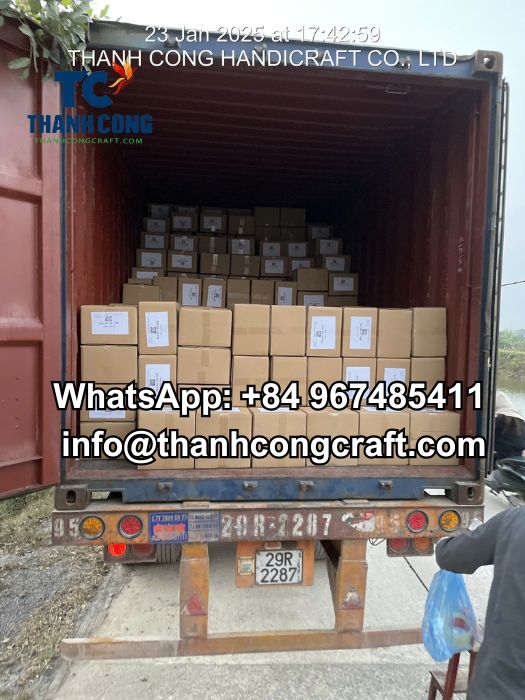
Wholesale price means suppliers set discounted rates when buyers purchase in bulk. This model benefits both parties: suppliers move larger volumes, and importers enjoy reduced per-unit costs. However, bulk buying comes with responsibilities such as storage, upfront investment, and long-term forecasting. For example, a retailer importing bamboo baskets from Vietnam can save up to 30% per unit when ordering 5,000 pieces compared to 500 pieces.
1.2. The Small Order Advantage
Small orders are designed for flexibility. They allow businesses to test a supplier’s quality, evaluate shipping reliability, and analyze consumer demand without committing large capital. As a result, small orders suit startups, seasonal retailers, and companies entering new markets. However, importers must acknowledge that the per-unit cost is often 20–40% higher than wholesale prices. Despite this, small orders can prevent overstocking, damaged goods, and untested product failures.
1.3. Why Importers Struggle to Choose Between the Two
Most importers struggle because the trade-off is not just financial but also operational. While wholesale buying improves profit margins, small orders minimize risk. In practice, companies often start with small orders to build trust, then transition to wholesale purchasing once supplier reliability is proven. This staged approach combines risk management with long-term cost savings.
See more: How Many Units Should You Import on Your First Order?
2. Cost Implications of Wholesale Price vs Small Order
2.1. Upfront Investment and Cash Flow
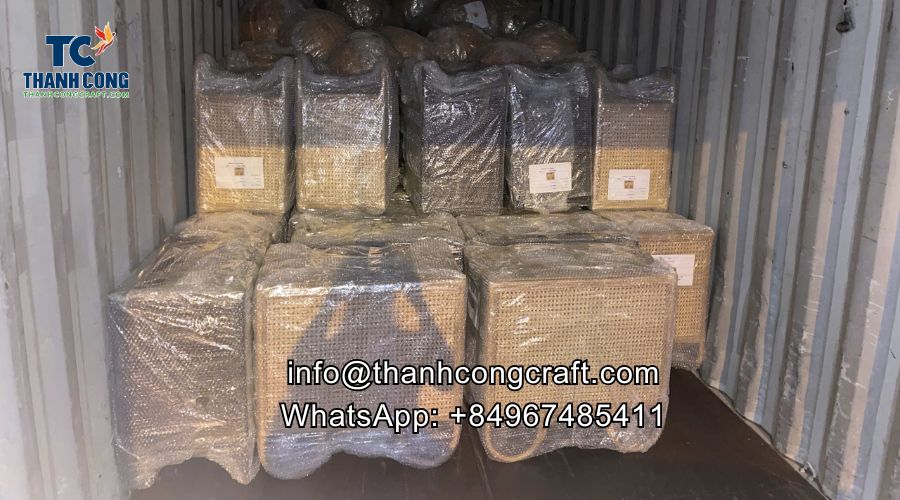
Wholesale purchasing requires a significant upfront investment, which can challenge small businesses with limited cash flow. For instance, paying $20,000 upfront for a bulk order of furniture may tie up capital for months. In contrast, a $5,000 small order is easier on liquidity, though the profit margins remain lower.
2.2. Storage and Inventory Management
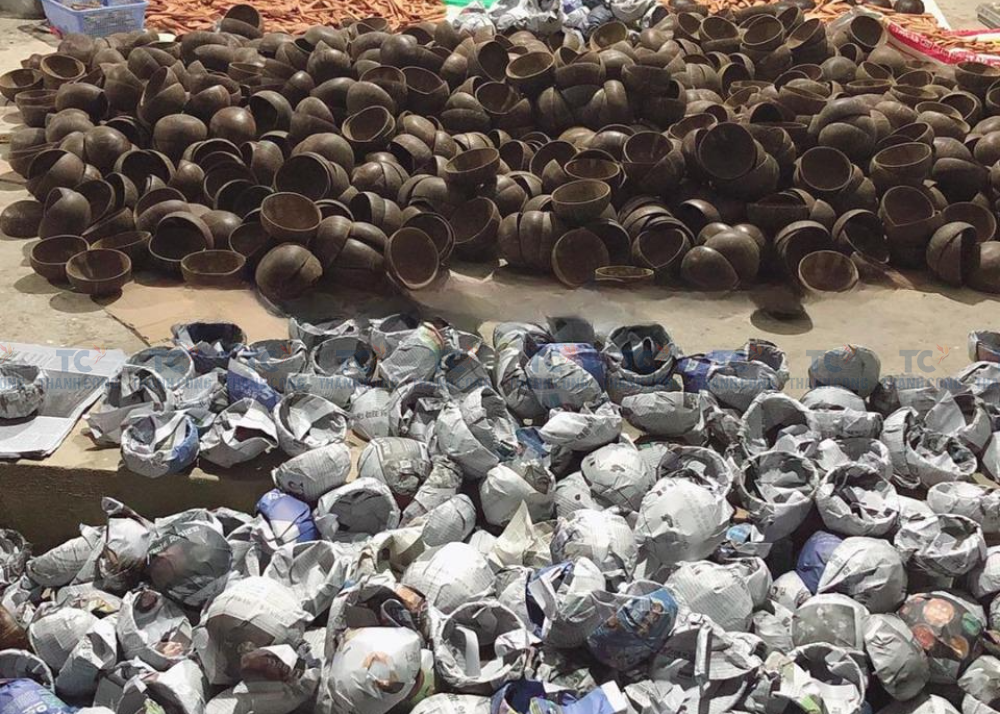
With wholesale buying, businesses must manage larger inventories. This requires warehouse space, tracking systems, and insurance, all of which increase hidden costs. On the other hand, small orders reduce storage pressure, making them more suitable for businesses operating in urban areas with limited space.
2.3. Per-Unit Cost and Long-Term Margins
Although small orders reduce immediate risk, the high per-unit price eats into margins. For example, a bamboo lampshade purchased in bulk may cost $4 per unit, while a small order could raise that cost to $7. Over time, the profit difference accumulates significantly, influencing an importer’s scalability.
Explore our post: Do Wholesalers Cover Return Costs for Damaged Furniture?

3. Supplier Relationships and Trust Building
3.1. How Wholesale Builds Long-Term Partnerships
Suppliers view wholesale buyers as serious partners, often prioritizing them in production schedules and negotiations. This relationship leads to better customization options, faster delivery timelines, and preferential pricing. Wholesale ordering is therefore not just about cost but also about strengthening B2B trust.
3.2. The Role of Small Orders in Supplier Testing
Small orders help verify claims about quality, certifications, and packaging. Importers use them to confirm a supplier’s credibility before making bigger commitments. This approach is particularly vital when sourcing handmade products like bamboo bowls or rattan décor, where craftsmanship varies.
3.3. Negotiation Leverage Over Time
Importers who start with small orders but consistently scale up to wholesale quantities gain bargaining power. Suppliers are more likely to offer better discounts, free samples, or improved shipping terms once trust is established.
Explore our post: How to Choose a Wholesaler That Maximizes Your Profit
4. Logistics, Insurance, and Hidden Costs
4.1. Shipping Differences Between Wholesale and Small Orders
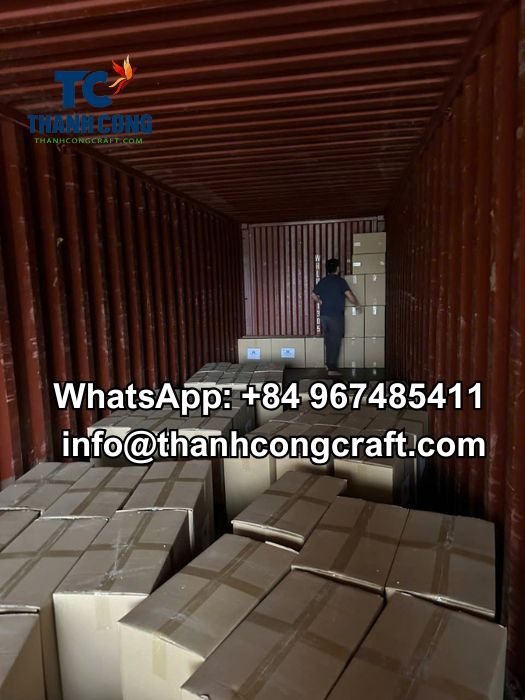
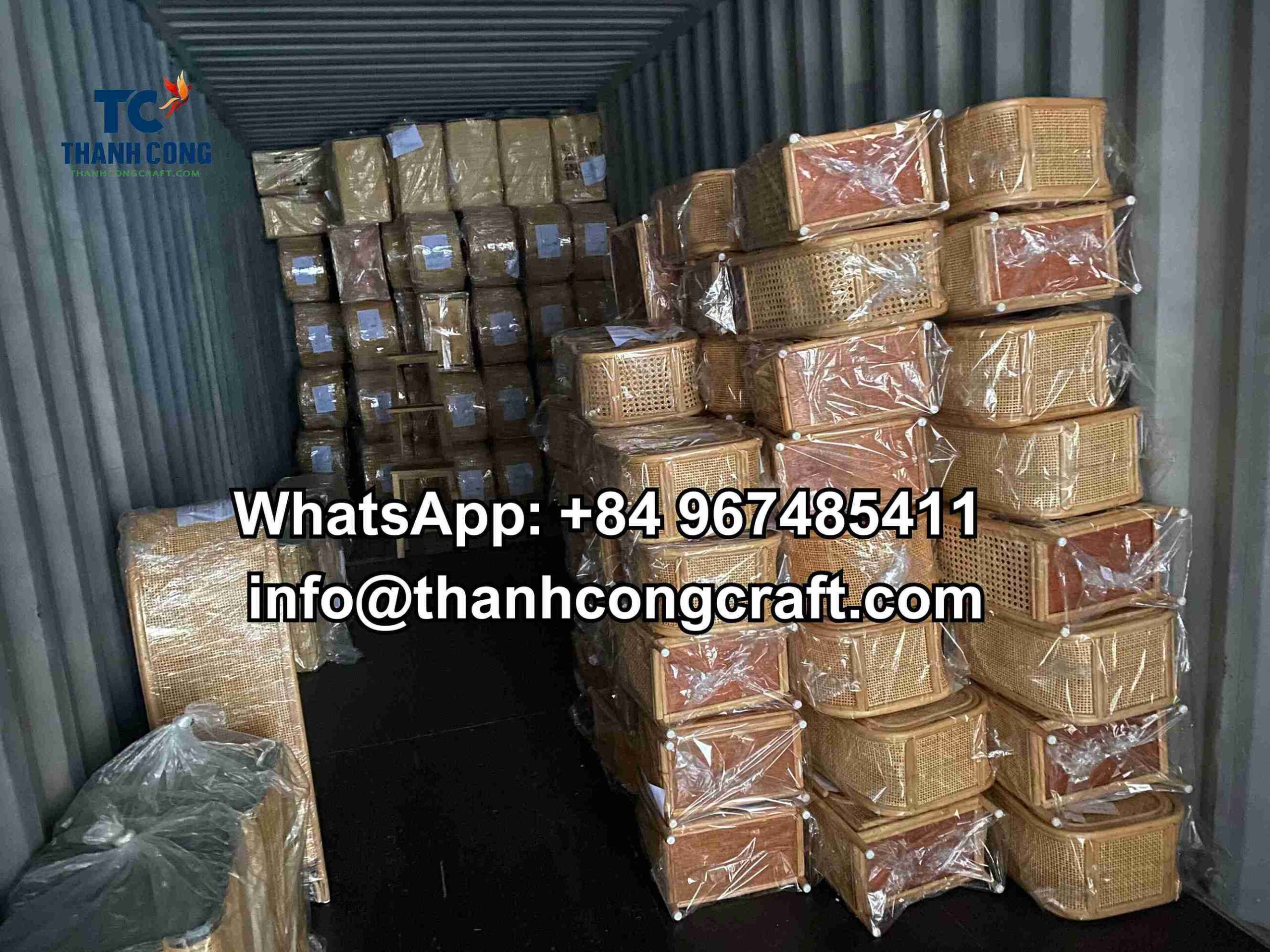
Wholesale orders typically ship via full container loads (FCL), lowering freight costs per unit. In contrast, small orders often use less than container loads (LCL) or even air freight, which are significantly more expensive per product. For example, shipping a small batch of bamboo wall décor by air could cost three times more per unit than shipping a container by sea.
4.2. Insurance and Risk Management
Large wholesale shipments require comprehensive cargo insurance due to higher value. While this adds cost, it protects against potential losses during transit. Conversely, small orders may skip full insurance coverage, but the relative risk per shipment is lower since less capital is tied up.
4.3. Customs and Handling Fees
Customs clearance often favors wholesale orders because documentation is streamlined for larger volumes. Small orders, however, may face higher relative clearance fees per unit, especially in markets like the Middle East and Europe where regulations are strict.
5. Choosing the Right Strategy for Your Business
5.1. When Wholesale Makes Sense
Wholesale is best for established businesses with predictable demand, secure cash flow, and warehouse capacity. It ensures better margins, supplier trust, and long-term stability. For example, importers supplying hotels with bamboo furniture benefit significantly from wholesale purchasing.
5.2. When Small Orders Are the Smarter Choice
Small orders are more suitable for new businesses, market testing, or seasonal trends. They reduce risk, prevent overstocking, and allow flexibility. A boutique retailer importing decorative baskets for Ramadan in the UAE may benefit more from small seasonal orders.
5.3. The Hybrid Approach: Balancing Risk and Reward
Many successful importers combine both strategies. They begin with small orders to test suppliers and demand, then scale to wholesale once the market proves stable. This balanced model ensures reduced financial risk while gradually improving profit margins.
See more about: Tax & Import Regulations for Lacquer Placemats in the UK
Reach out to us today to learn more about our products or to place a wholesale order. We look forward to connecting with you!
- Thanh Cong Handicraft Co., Ltd
- Email: [email protected]
- Tel/WhatsApp: +84967485411
Explore our Products Collection for more choices! Contact Us!


