

Decorative trays for gifting are more than a display surface because they define structure, ritual, and perceived value within a gift presentation. When crafted from premium materials such as mother of pearl, trays become lasting objects that carry meaning beyond the moment of exchange. This reflects a shift toward experiential and reusable gifting rather than disposable presentation.
Contents
- 1. How Decorative Trays For Gifting Shape First Impressions
- 2. Why Decorative Trays Extend The Gift Beyond The Moment Of Exchange
- 3. Why Mother Of Pearl Elevates Decorative Trays For Gifting
- 4. How Decorative Trays For Gifting Function Across Different Markets
- 5. How Decorative Trays Bridge Packaging, Product, And Experience
1. How Decorative Trays For Gifting Shape First Impressions
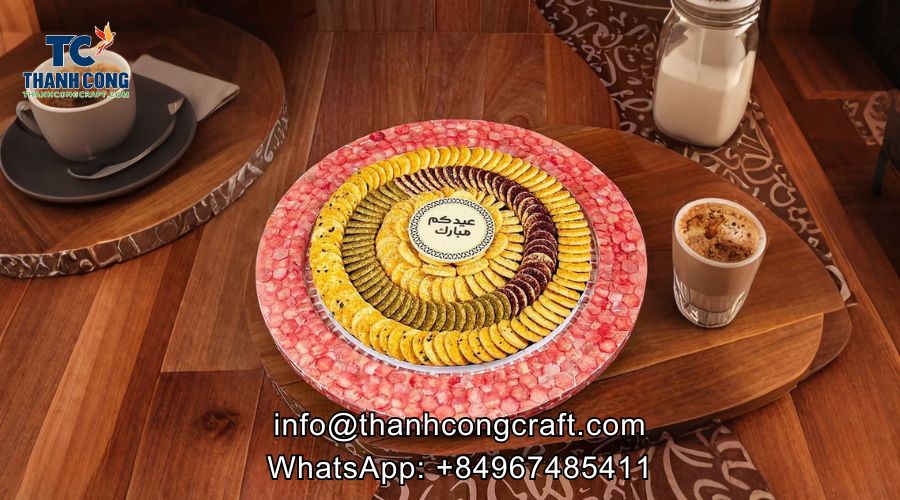
Decorative trays for gifting play a critical role in shaping first impressions before the gift itself is examined. In many gifting scenarios, the tray establishes order by grouping items into a single visual composition. As a result, the gift feels intentional rather than assembled at the last moment.
From an industry perspective, trays act as visual anchors. They introduce scale, proportion, and balance, which subconsciously communicate effort and care. Therefore, even modest gift items appear more valuable when framed within a structured presentation.
However, not all trays succeed in this role. When trays feel lightweight, generic, or purely functional, they fail to contribute emotional weight. In practice, buyers increasingly notice when presentation elements feel interchangeable or disposable.
Decorative trays that successfully enhance first impressions tend to offer visual depth, material contrast, and a sense of permanence. These qualities signal that the presentation itself was considered part of the gift, not an afterthought.
2. Why Decorative Trays Extend The Gift Beyond The Moment Of Exchange
Decorative trays for gifting often continue to exist long after the original contents are consumed or removed. Unlike paper packaging or single-use boxes, trays are designed to remain visible and functional in everyday environments. As a result, the gift extends beyond the moment of exchange into daily life.
This continued presence changes how recipients evaluate value. A tray that becomes part of a home—used for serving, organizing, or display—creates ongoing emotional reinforcement. Therefore, the gift is remembered not only for what it contained but for how it continues to function.
From a buyer’s perspective, this reusability aligns with evolving expectations around sustainability and longevity. Objects that remain relevant feel more responsible than those discarded immediately. However, this benefit only materializes when the tray’s construction and materials support long-term use.
In practice, trays that lack durability or aesthetic versatility risk becoming clutter rather than cherished objects. This distinction increasingly influences how brands assess presentation choices.
Explore our post: Which Interior Styles Pair Best with Mother of Pearl Trays?
3. Why Mother Of Pearl Elevates Decorative Trays For Gifting
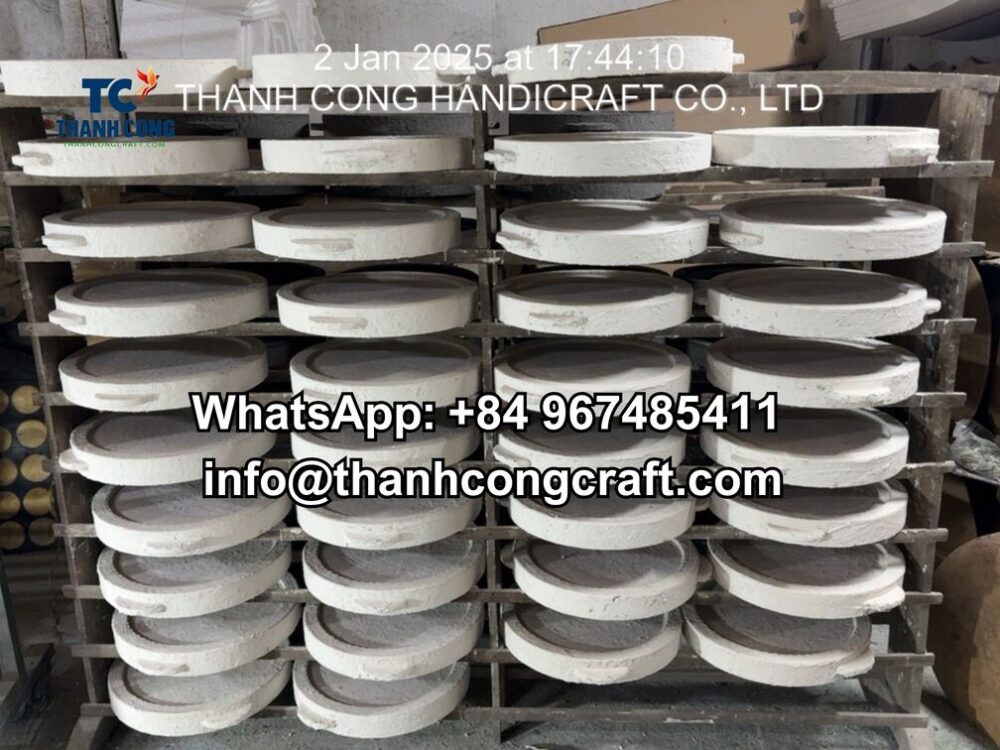
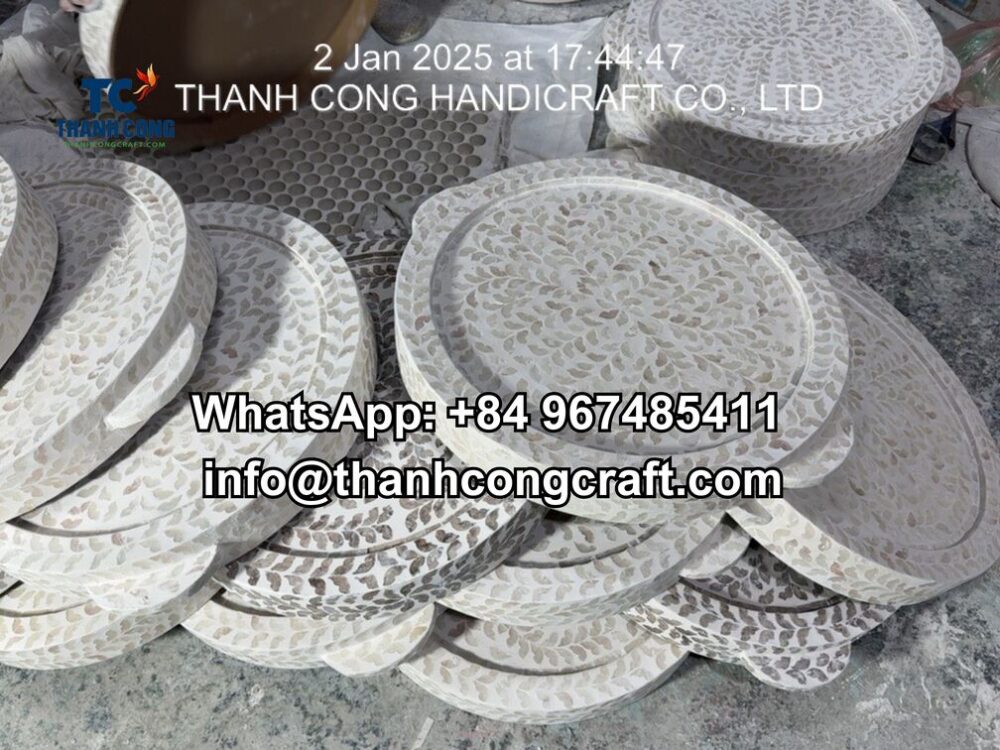
Mother of pearl, commonly abbreviated as MOP, elevates decorative trays for gifting by satisfying multiple criteria associated with luxury perception. Visually, its iridescent surface creates depth and variation that changes with lighting and viewing angle. This dynamic quality gives trays a refined presence without excessive ornamentation.
Tactile experience further reinforces its premium status. Mother of pearl feels cool, dense, and smooth, signaling durability and material substance. These sensory cues align with how recipients intuitively assess quality in decorative and serving objects.
From a cultural standpoint, mother of pearl carries associations with craftsmanship, heritage, and ceremonial use across many regions. These associations enhance its symbolic value in gifting contexts, where meaning often matters as much as function. As a result, MOP trays frequently feel significant even before their purpose is fully understood.
However, effective use of mother of pearl depends on restraint and craftsmanship. Overuse or poor finishing can diminish its impact, turning a luxury material into visual noise rather than refinement.
4. How Decorative Trays For Gifting Function Across Different Markets
Decorative trays for gifting are interpreted differently depending on regional culture and gifting behavior. In the US, trays are often viewed as lifestyle accessories that should integrate seamlessly into modern interiors. Therefore, versatility and understated elegance tend to drive premium perception.
In European markets, particularly within boutique retail and artisanal contexts, buyers often prioritize craftsmanship and material authenticity. Subtle detailing and refined finishes communicate value more effectively than overt decoration. As a result, trays that reward close inspection are often preferred.
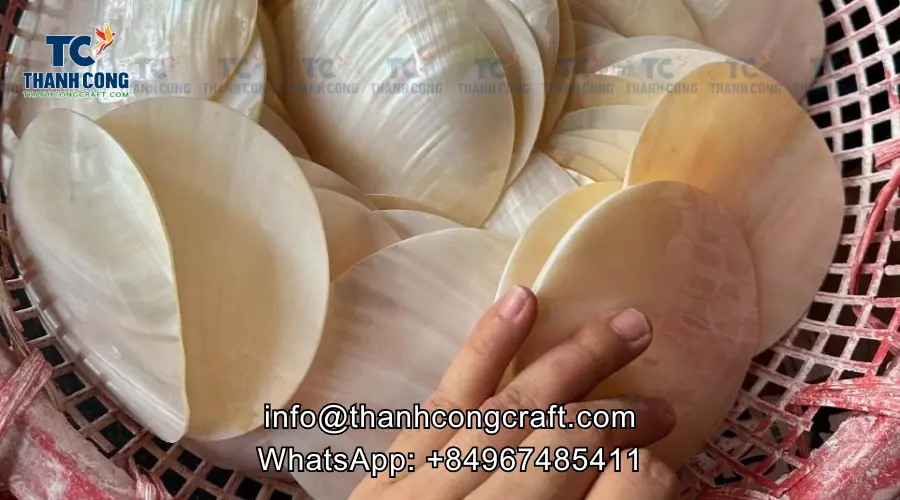
In the Middle East, gifting culture places strong emphasis on presentation, generosity, and ceremonial significance. Decorative trays are expected to feel substantial, visually rich, and reusable. Materials such as mother of pearl resonate strongly because they align with expectations of luxury, hospitality, and permanence.
These differences illustrate that trays function not merely as objects but as cultural signals. What feels premium in one market may feel excessive or insufficient in another.
Related reading: What Interior Styles Does Mother of Pearl Furniture Suit Best?
5. How Decorative Trays Bridge Packaging, Product, And Experience
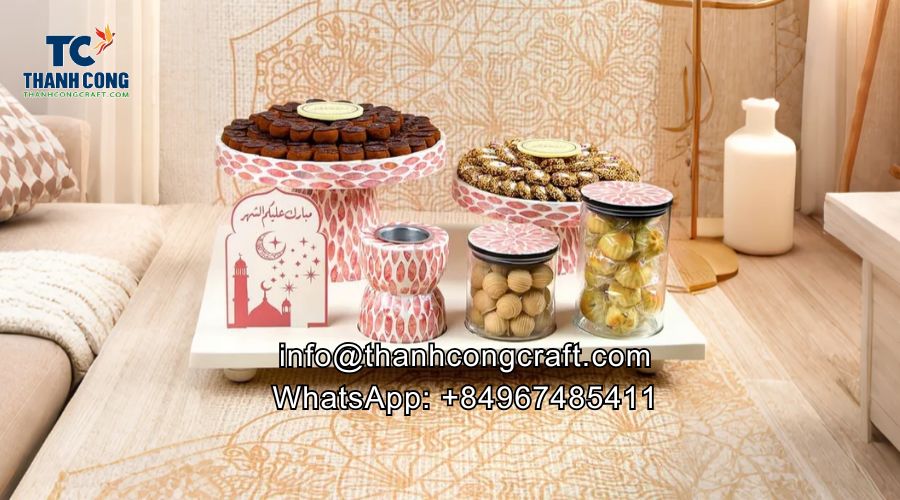
Decorative trays for gifting increasingly blur the boundaries between packaging, product, and experience. Rather than serving as disposable presentation tools, they become part of the gift’s lasting identity. This shift reflects broader changes in how brands think about value creation.
From a manufacturing perspective, trays act as platforms for material storytelling. Construction methods, finishes, and material choices subtly communicate values such as craftsmanship, durability, and attention to detail. However, this storytelling must remain supportive rather than dominant.
In practice, effective trays enhance the gifting experience without overshadowing the gift itself. They provide structure, elevate perception, and invite reuse, while allowing the primary gift to remain central. When balanced correctly, the tray becomes an extension of the gift’s meaning rather than a competing element.
This evolution highlights why decorative trays are increasingly evaluated as experience components rather than mere display surfaces.
Learn more about: Is Mother of Pearl a Natural Material or Synthetic?

Reach out to us today to learn more about our products or to place a wholesale order. We look forward to connecting with you!
- Thanh Cong Handicraft Co., Ltd
- Email: [email protected]
- Tel/WhatsApp: +84967485411
Explore our Products Collection for more choices! Contact Us!


