

Premium chocolate display materials are evolving because glass and paper no longer fully support modern branding, gifting, and experiential retail needs. While these materials remain functional and familiar, they often fail to communicate craftsmanship, emotional value, and brand story. As a result, premium chocolate brands are reassessing how display materials shape perception before purchase.
Contents
- 1. Why Glass and Paper No Longer Support Premium Chocolate Branding?
- 2. How Display Materials Shape Perceived Value Before the First Taste?
- 3. Why Storytelling and Tactility Matter More Than Visibility Alone?
- 4. How Market Context Changes Expectations for Chocolate Displays?
- 5. What Brands Should Evaluate Before Moving Beyond Glass and Paper?
1. Why Glass and Paper No Longer Support Premium Chocolate Branding?
For decades, premium chocolate display materials relied heavily on glass and paper because they were accessible, neutral, and easy to integrate into retail environments. Glass conveyed cleanliness and transparency, while paper allowed for flexible branding and cost control. In traditional retail models, these qualities were sufficient.
However, the role of premium chocolate has shifted. Chocolate is no longer positioned solely as a consumable product but increasingly as a gift, a seasonal statement, or a personal indulgence. In this context, glass and paper often feel visually cold or emotionally flat. As a result, they struggle to communicate craftsmanship, origin, or care.
In practice, glass prioritizes visibility over emotional engagement. It allows the product to be seen but not felt. Paper, while versatile, is often associated with disposability, especially in high-end gifting scenarios. Therefore, brands aiming to differentiate find that these materials no longer reinforce premium positioning.
This does not mean glass and paper are obsolete. Rather, their limitations become more visible when brands compete in environments where emotional connection matters as much as visual clarity. Familiar materials can feel safe, but safety rarely drives memorability in premium segments.
2. How Display Materials Shape Perceived Value Before the First Taste?
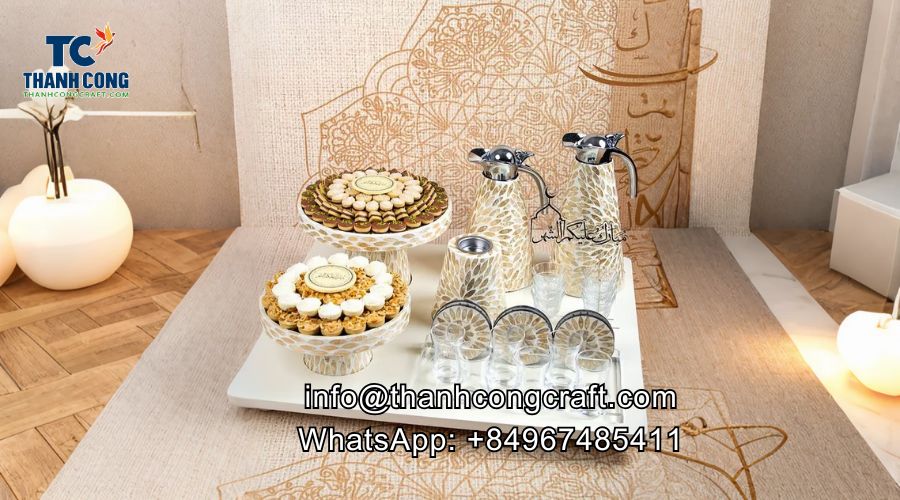
Premium chocolate display materials act as silent brand ambassadors long before the product is tasted. Numerous studies in luxury retail show that consumers form quality judgments within seconds based on visual and tactile cues. Therefore, the display plays a decisive role in shaping perceived value.
When materials feel substantial, textured, or layered, they signal time investment and care. Weight, surface finish, and construction subtly suggest whether a product is handcrafted or mass-produced. As a result, perceived quality often forms before packaging copy is read or ingredients are evaluated.
Conversely, lightweight or overly smooth materials can unintentionally signal standardization. Even if the chocolate itself is premium, the display may undermine that message. Therefore, the display is not merely a protective element but part of the overall value proposition.
This effect becomes especially strong in gifting contexts. Buyers often choose products based on how they will be perceived by the recipient. In such cases, display materials influence not only perceived product quality but also social signaling and emotional impact.
Learn more about: Mother of Pearl Box Import Duty & Insurance in Lebanon
3. Why Storytelling and Tactility Matter More Than Visibility Alone?
Premium chocolate brands increasingly compete on narrative elements such as origin, ethical sourcing, and artisanal process. However, glass and paper are largely silent materials. They do not naturally communicate story or human involvement.
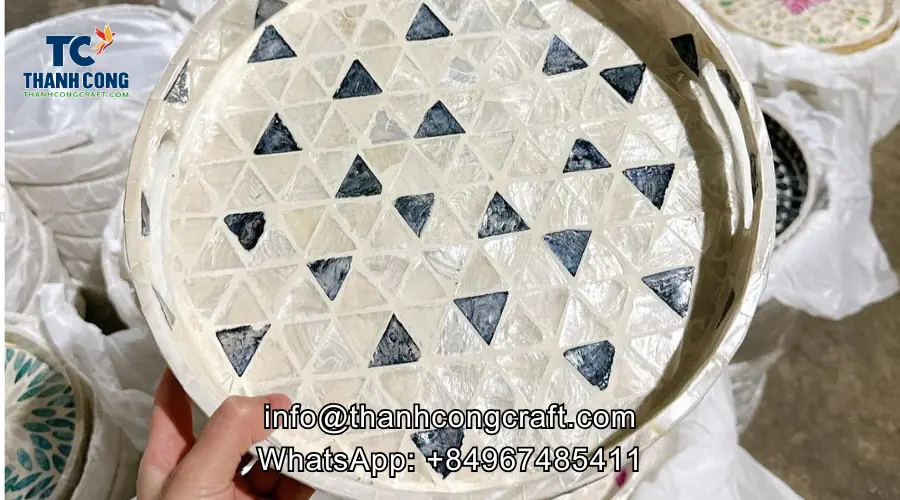
In contrast, materials with texture, irregularity, or visible craftsmanship immediately suggest authenticity. Wood grains, woven surfaces, or layered composites visually imply human touch and time investment. As a result, storytelling begins before the consumer reads a single word.
In practice, display materials can bridge the gap between abstract brand values and physical experience. They translate concepts like “handcrafted” or “small-batch” into something tangible. This becomes particularly important in self-service retail environments where staff interaction is minimal.
However, storytelling through display must remain balanced. Overly complex or dominant displays can distract from the product itself. Therefore, brands must decide when storytelling should be embedded in the display and when it should remain primarily within packaging or communication materials.
Explore more: Mother of Pearl Coasters vs Wooden: Top Pick for Dining Tables
4. How Market Context Changes Expectations for Chocolate Displays?
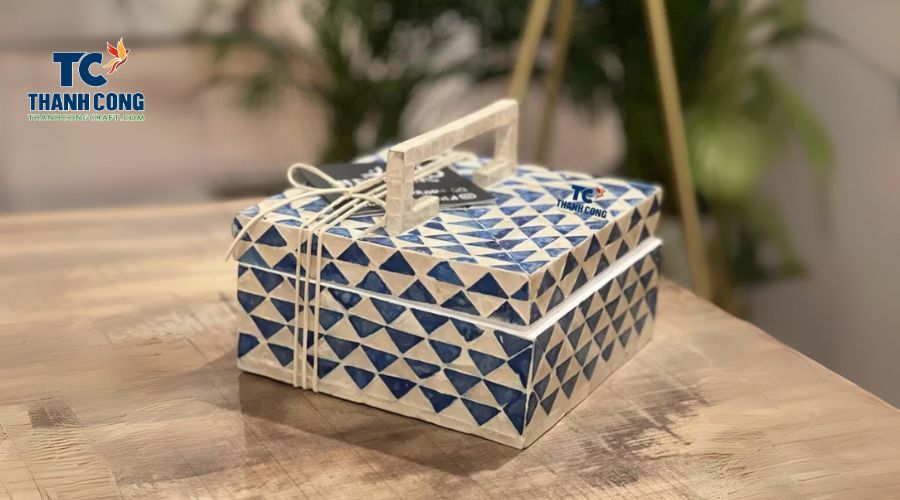
Premium chocolate display materials cannot be evaluated in isolation from market context. Consumer expectations vary significantly by region, retail format, and cultural gifting behavior. As a result, a single display solution rarely performs equally well across all markets.
In the United States, premium chocolates are often purchased as impulse gifts or seasonal items. Displays must capture attention quickly and photograph well for digital sharing. Therefore, visual warmth and distinctiveness play a crucial role in driving engagement.
In the European market, particularly in boutique and specialty stores, consumers tend to spend more time evaluating products. Displays that reward closer inspection through texture or craftsmanship perform better. Subtlety and material depth often matter more than immediate visual impact.
In the Middle East, gifting culture places strong emphasis on presentation, durability, and reusability. Displays are often expected to feel substantial and worthy of reuse. Disposable or lightweight materials may be perceived as insufficient, regardless of the chocolate’s quality.
These differences highlight why display strategies should not be standardized without adaptation. What signals premium in one market may feel underwhelming or excessive in another.
Read also: Luxury Gifts for Middle Eastern: Mother of Pearl Cake Stand
5. What Brands Should Evaluate Before Moving Beyond Glass and Paper?
Before adopting alternative premium chocolate display materials, brands must evaluate more than visual appeal. The starting point should be usage context rather than aesthetics alone. Displays may live on retail shelves, gifting tables, hotel lounges, or in private homes, each with different functional demands.
Durability and lifecycle are critical considerations. Glass may look refined but introduces risks in transport and handling. Paper may be economical but degrades quickly in humid or high-traffic environments. Therefore, brands must assess long-term consistency and maintenance costs.
Sustainability perception also plays a growing role. While glass and paper are often considered sustainable, buyers increasingly value reuse and longevity. A decorative display reused multiple times may feel more responsible than a single-use recyclable solution.
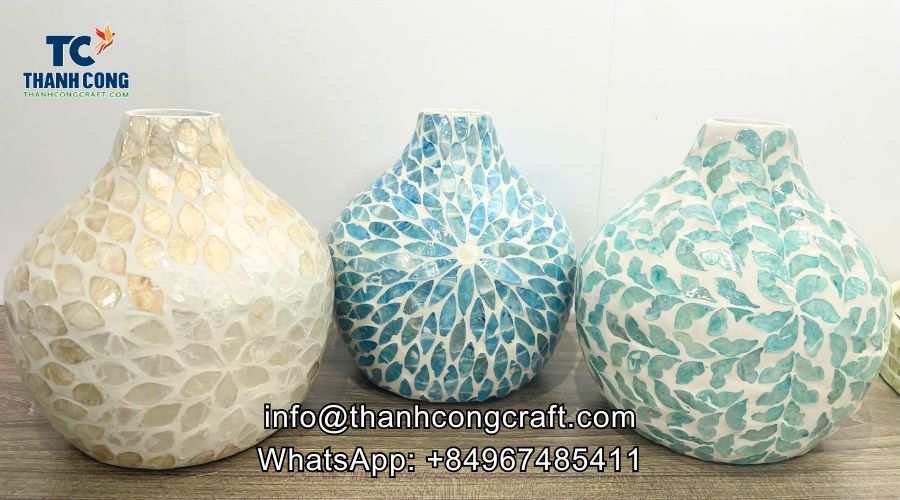
Finally, brands should evaluate how display materials align with brand tone. A highly refined brand may prioritize precision and minimalism, while an artisanal brand may benefit from warmth and visible craftsmanship. Misalignment can dilute brand identity rather than strengthen it.
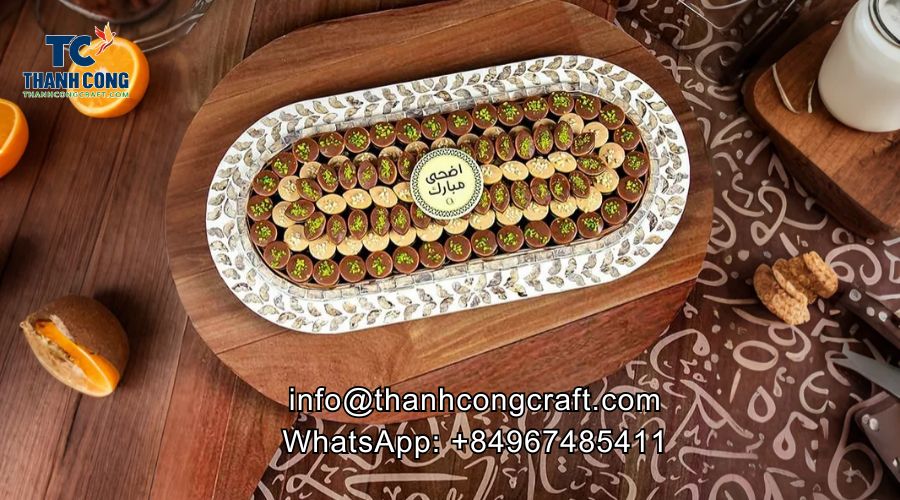
Reach out to us today to learn more about our products or to place a wholesale order. We look forward to connecting with you!
- Thanh Cong Handicraft Co., Ltd
- Email: [email protected]
- Tel/WhatsApp: +84967485411
Explore our Products Collection for more choices! Contact Us!


