

Premium material perception is shaped less by cost or rarity and more by sensory feedback, craftsmanship, and usage context. Materials feel premium when they signal durability, effort, and cultural value through touch, weight, and visual depth. As a result, materials like mother of pearl are perceived as luxurious not because of marketing, but because they naturally align with these expectations.
Contents
- 1. How Sensory Experience Shapes Premium Material Perception?
- 2. Why Craftsmanship Signals Value Beyond the Material Itself?
- 3. Why Mother of Pearl Is Perceived as a Luxury Material?
- 4. How Usage Context Determines Whether a Material Feels Premium?
- 5. How Premium Material Perception Differs Across US, EU, and Middle East Markets?
1. How Sensory Experience Shapes Premium Material Perception?
Premium material perception begins with how a material engages the senses, particularly touch and sight. Before a user understands origin or craftsmanship, they respond instinctively to texture, temperature, and weight.
Materials that feel substantial in the hand often communicate durability and long-term value. In contrast, materials that feel overly light or hollow may subconsciously suggest disposability, even if they are technically expensive. This sensory response happens immediately and is difficult to override with branding alone.
Visual depth also plays a critical role. Surfaces that reflect light unevenly or reveal layered textures tend to feel more refined than flat, uniform finishes. As a result, natural materials with organic variation often outperform synthetic alternatives in perceived quality.
In practice, premium perception emerges when multiple sensory signals align rather than when a single feature stands out.
Related reading: Does Mother of Pearl Scratch Easily?
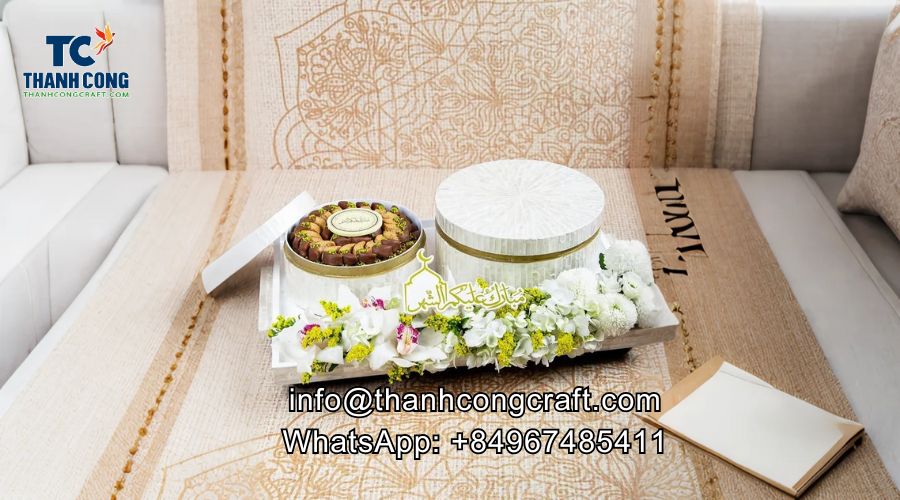
2. Why Craftsmanship Signals Value Beyond the Material Itself?
Craftsmanship often determines whether a material feels premium or ordinary. Even inherently valuable materials can lose perceived quality when poorly finished or inconsistently applied.
Handcrafted elements signal time investment and human involvement, which many buyers associate with higher value. Small irregularities, when controlled, can enhance authenticity rather than detract from quality. However, inconsistency caused by poor skill or weak process often produces the opposite effect.
From a manufacturing perspective, craftsmanship also communicates risk management. Buyers subconsciously assess whether an object can withstand handling, display, and repeated use. Well-executed craftsmanship reassures them that the product was designed with real-world conditions in mind.
Therefore, premium perception depends not only on what material is used, but on how deliberately it is shaped, finished, and assembled.
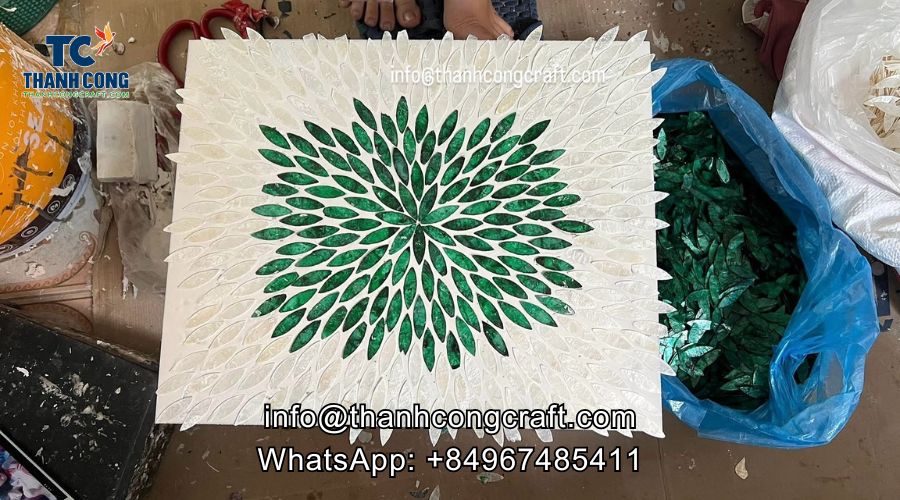
3. Why Mother of Pearl Is Perceived as a Luxury Material?
Mother of pearl, often referred to as MOP, is widely perceived as a luxury material because it naturally satisfies multiple premium perception criteria. Its surface offers visual depth, iridescence, and subtle variation that cannot be fully replicated by synthetic materials.
Unlike flat decorative finishes, mother of pearl interacts dynamically with light. This creates a sense of movement and richness that elevates even simple forms. As a result, the material often feels refined without requiring excessive ornamentation.
From a tactile perspective, MOP balances smoothness with solidity. It feels cool and dense, reinforcing impressions of durability and permanence. These qualities align closely with how buyers intuitively define premium materials in decorative and serving contexts.
Importantly, mother of pearl also carries cultural associations with heritage, craft, and ceremonial use across multiple regions. These associations strengthen its luxury positioning without reliance on overt branding.
Learn more about: Are Mother of Pearl Trays Handmade or Machine-Made?
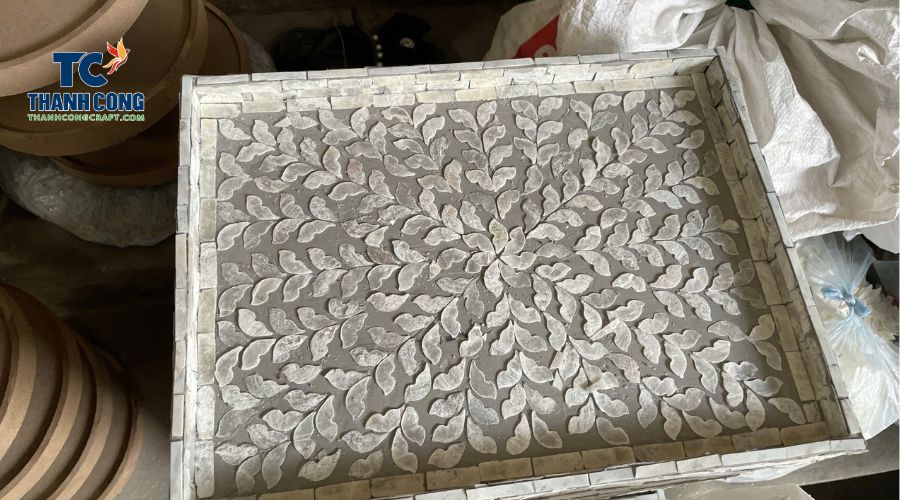
4. How Usage Context Determines Whether a Material Feels Premium?
A material does not feel premium in isolation; its perceived value depends heavily on where and how it is used. The same material can feel luxurious in one context and underwhelming in another.
In decorative or serving products, visibility and interaction frequency shape perception. Materials that age gracefully or maintain appearance over time tend to retain premium status. Conversely, materials that scratch, fade, or discolor quickly may lose perceived value, regardless of initial impression.
Environmental factors such as humidity, temperature, and handling conditions also influence perception. In regions with high humidity, for example, materials that resist warping or degradation are often valued more highly. This practical reliability reinforces the idea of quality.
Therefore, premium material perception emerges when material characteristics align with usage demands rather than when materials are selected based on appearance alone.

5. How Premium Material Perception Differs Across US, EU, and Middle East Markets?
Premium material perception varies significantly by market due to cultural expectations, retail behavior, and gifting traditions. Understanding these differences is essential for global product strategy.
In the US market, premium perception often emphasizes practicality and lifestyle alignment. Materials that feel sturdy, easy to maintain, and visually refined tend to perform well. Overly ornate materials may be perceived as impractical rather than luxurious.
European markets typically value restraint, craftsmanship, and material authenticity. Subtle detailing and artisanal narratives often outweigh visual abundance. Premium materials are expected to communicate sophistication quietly.
In the Middle East, premium perception strongly favors visual richness, weight, and presence. Materials like mother of pearl resonate well because they align with cultural preferences for generosity, hospitality, and ceremonial gifting. Durability and reusability further reinforce luxury perception.
These differences demonstrate that premium is not a universal standard, but a culturally conditioned judgment shaped by context and expectation.
Explore more: Will Mother of Pearl Inlay Fade, Crack, or Discolor Over Time?
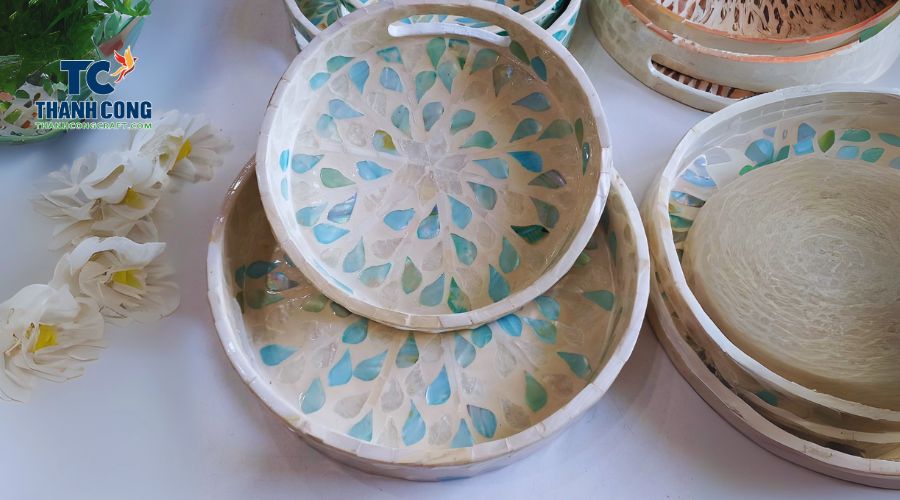
Reach out to us today to learn more about our products or to place a wholesale order. We look forward to connecting with you!
- Thanh Cong Handicraft Co., Ltd
- Email: [email protected]
- Tel/WhatsApp: +84967485411
Explore our Products Collection for more choices! Contact Us!


