

Mother of pearl spoon has become the gold standard for serving caviar and other fine delicacies. Its unique properties, natural elegance, and cultural heritage make it indispensable in luxury dining. This article explores why mother of pearl spoons are the preferred choice for gourmets, chefs, and global wholesalers. It also explains their history, craftsmanship, benefits, and how they support sustainable trade.
Contents
1. Mother of Pearl Spoon: A Heritage of Luxury Dining
Mother of pearl spoon traditions date back centuries, connecting natural elegance with refined dining rituals. In cultures across Europe, the Middle East, and Asia, mother of pearl was treasured for its luster, purity, and durability. Nobility and elite households considered it a sign of prestige when serving delicacies such as caviar.
Because mother of pearl is non-reactive, it preserves the delicate flavor of food. Unlike metal utensils that can alter taste, mother of pearl spoons keep caviar pure. Therefore, they became essential in aristocratic dining halls and luxury banquets.
Today, these spoons remain symbols of sophistication, bridging traditional craftsmanship with modern fine dining. Their enduring appeal also strengthens global demand in hotels, gourmet retailers, and B2B wholesale markets.
Related reading: Mother of Pearl Tray That Turns Retail Buyers Into Collectors
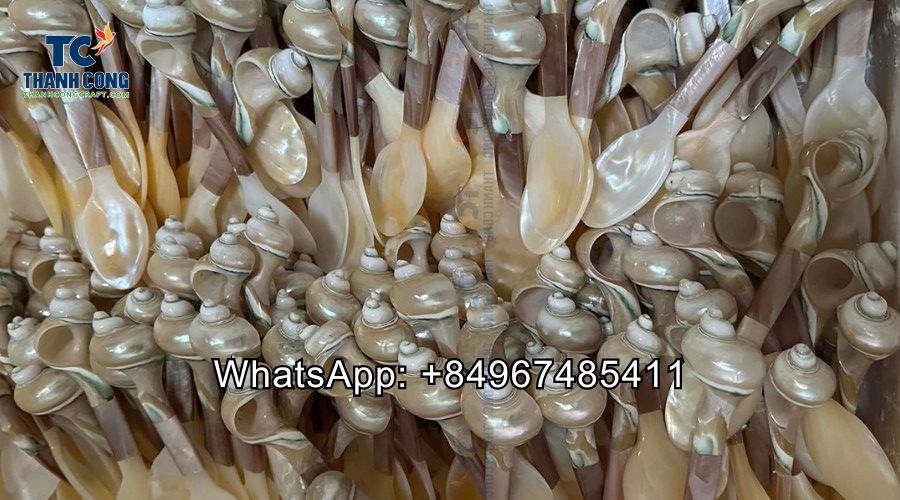
2. Why Use Mother of Pearl Spoon for Caviar?
Mother of pearl spoon is universally recommended by caviar experts. Caviar’s flavor is extremely delicate, and metal spoons often cause oxidation, giving it a metallic aftertaste. Mother of pearl, however, is smooth, natural, and neutral.
2.1 Non-Reactive Material
The primary reason is that mother of pearl does not react with food. Consequently, caviar’s flavor remains untouched, offering the pure experience chefs intend.
2.2 Aesthetic Elegance
Besides functionality, these spoons elevate presentation. Their shimmering surface complements the luxurious appearance of caviar tins and serving trays. Furthermore, buyers seeking memorable dining experiences often associate mother of pearl with exclusivity.
2.3 Tradition and Prestige
Prestigious restaurants maintain the tradition of serving caviar only with mother of pearl spoons. This practice honors culinary heritage while reinforcing the exclusivity of the dining ritual.
Because of these qualities, the spoon is more than a utensil—it becomes part of the dining narrative.
Read next: Mother of Pearl Trays for Hotels – Why Resorts Prefer Them
3. Craftsmanship Behind Mother of Pearl Spoon
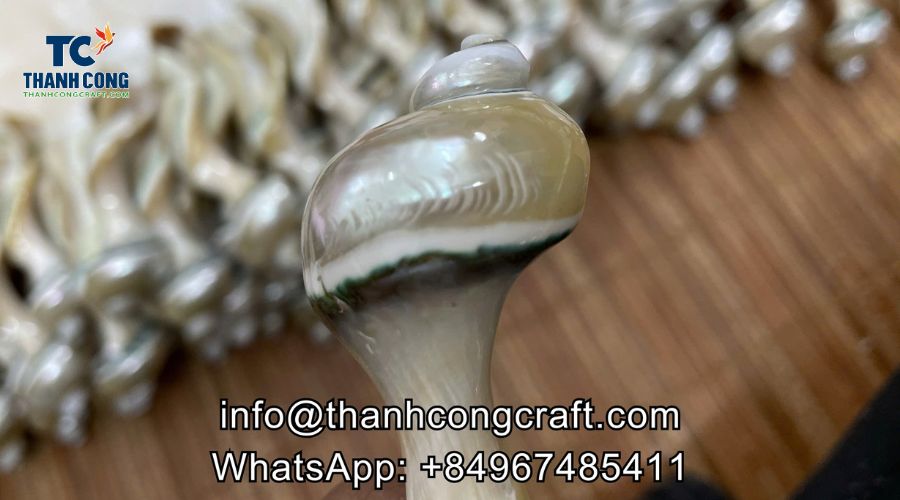
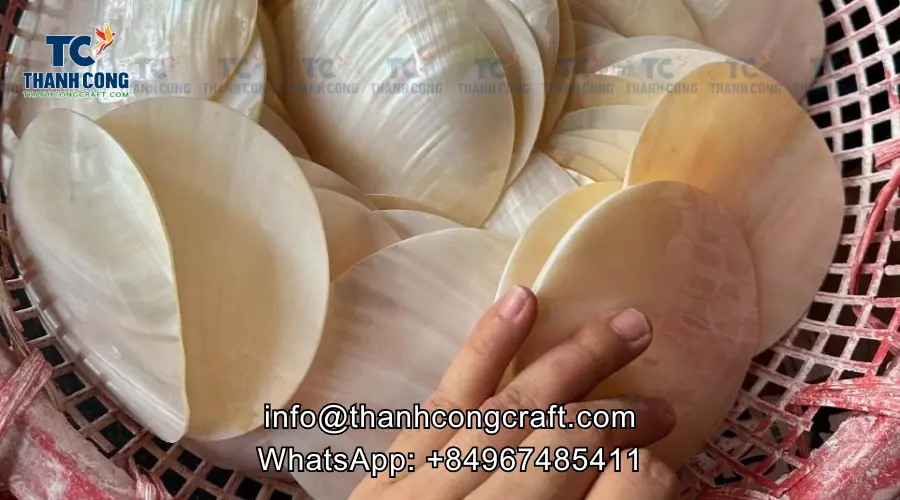
Mother of pearl spoon production requires meticulous craftsmanship. Artisans select premium nacre from sustainably harvested shells. Each piece is cut, polished, and shaped by hand to achieve smoothness and natural glow.
3.1 Material Selection
Only the strongest and most iridescent parts of the shell are chosen. This ensures durability and visual appeal.
3.2 Hand Polishing and Shaping
Artisans polish the surface until it reflects light. The edges must be smooth to enhance comfort while maintaining elegance.
3.3 Variations in Design
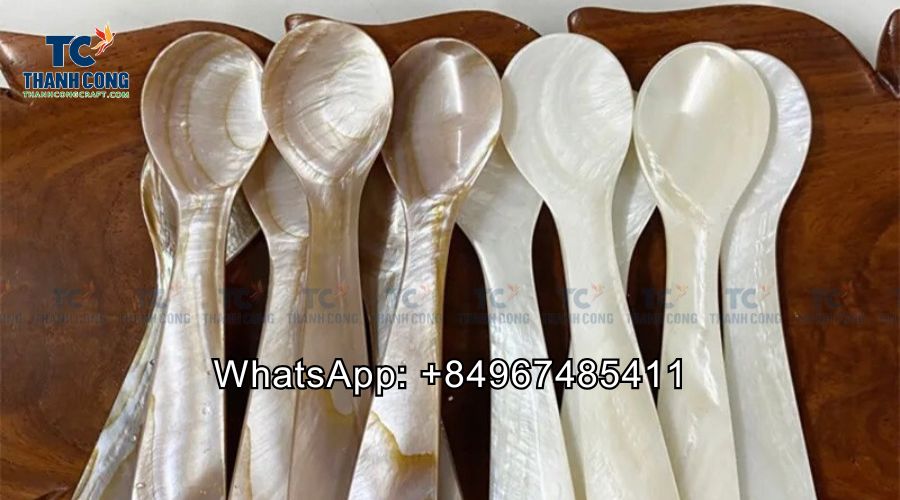
Spoons come in different shapes—oval, round, or teardrop. Some feature carved handles or inlays, appealing to luxury wholesalers and collectors.
By combining natural material and manual skill, every spoon becomes unique. Wholesale buyers appreciate this authenticity, as no two spoons are exactly alike.
4. Practical Uses Beyond Caviar
Mother of pearl spoon is not confined to the world of caviar service. Its versatility extends across fine dining, gourmet presentation, and cultural traditions. Because the material is neutral and elegant, it protects delicate flavors while enhancing visual appeal. This makes the spoon a multi-functional accessory that wholesalers can market beyond a single purpose.
4.1 Seafood and Roe
Delicate seafood such as salmon roe, trout roe, or sea urchin requires careful serving to preserve flavor. A mother of pearl spoon ensures that the natural briny taste remains pure, unlike metal which may leave a lingering aftertaste. Chefs in Michelin-starred restaurants use these spoons for presentation, as they complement the jewel-like colors of roe. As a result, the utensil elevates both flavor integrity and luxury aesthetics.
4.2 Desserts and Spreads
High-end desserts often rely on presentation just as much as flavor. When serving honey, truffle-infused spreads, or artisanal jams, a mother of pearl spoon maintains purity without metallic contamination. The natural iridescence of the spoon adds elegance, making dessert tables more visually striking. For luxury hotels and resorts, this detail creates memorable guest experiences and reinforces a premium brand image.

4.3 Cultural and Religious Ceremonies
In several Asian and Middle Eastern traditions, mother of pearl spoon plays a symbolic role in rituals. The material represents purity, prosperity, and blessings, making it suitable for wedding banquets and ceremonial offerings. Artisans often craft custom designs that align with cultural motifs, increasing their value in niche markets. Therefore, wholesalers can highlight the spoon’s cultural versatility to appeal to diverse audiences.
4.4 Expanding Wholesaler Opportunities
By positioning the mother of pearl spoon as a luxury utensil for multiple applications, wholesalers can target broader markets. Instead of focusing solely on caviar, suppliers can present it as suitable for desserts, seafood, and traditional events. This versatility increases order volumes and enhances cross-market appeal. Ultimately, the spoon becomes not just a utensil but a premium lifestyle accessory.
Explore more posts: Mother of Pearl Trays Import Duty – Customs & Tax Guide for Oman

5. Sustainability and Ethical Trade in Mother of Pearl Spoon Production
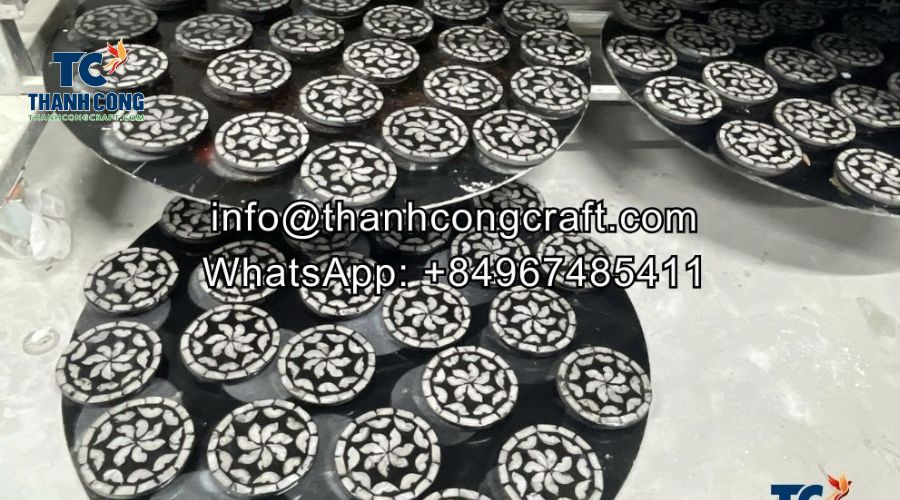
Mother of pearl spoon manufacturing increasingly focuses on sustainability. Since nacre is often a by-product of the pearl or seafood industry, artisans repurpose natural shell waste into functional art.
5.1 Eco-Friendly Sourcing
Using by-products reduces environmental strain and promotes responsible resource use. Consequently, buyers support eco-luxury trends when choosing these spoons.
5.2 Supporting Artisan Communities
Most spoons are handcrafted by small artisan groups in Vietnam, the Philippines, and Indonesia. International demand provides fair trade opportunities, strengthening local economies.
5.3 Certifications and Standards
For B2B buyers, verifying certifications such as Fair Trade, ISO quality compliance, or sustainable sourcing labels enhances trust. Suppliers with clear certifications stand out in wholesale markets.
By sourcing responsibly, businesses not only gain quality products but also contribute to global sustainability.
Reach out to us today to learn more about our products or to place a wholesale order. We look forward to connecting with you!
- Thanh Cong Handicraft Co., Ltd
- Email: [email protected]
- Tel/WhatsApp: +84967485411
Explore our Products Collection for more choices! Contact Us!


