

The coconut shell, the hard outer layer of a coconut, is often discarded as waste after the edible portion of the fruit has been consumed. However, this natural material has many often overlooked uses and benefits. Using coconut shell is a sustainable and cost-effective way to create various products, from activated carbon to home decor and fuel for cooking. With its durability and renewable properties, coconut shell has the potential to be a valuable resource in various industries.
Contents
1. Advantages of Using Coconut Shells
Using coconut shells as a natural resource offers several advantages over other materials. Here are some of the most significant benefits of coconut shell:
- Sustainability: Coconut shell is a renewable resource readily available in many parts of the world. It is also biodegradable and can be recycled, making it an environmentally friendly material.
- Cost-effectiveness: Coconut shell is affordable and low-cost compared to natural resources such as wood or metal. It can be sourced locally, reducing transportation costs.
- Durability: The shell is a hard and durable material that can withstand wear and tear. This makes it an ideal material for creating products that require strength and longevity.
- Renewable resource: Coconut shell is a byproduct of the coconut industry, and using it can help reduce waste and maximize the use of coconut fruit.
- Versatility: You can use them in various applications, including activated carbon production, home decor, fuel for cooking, and animal feed supplement. This versatility makes it a valuable resource in different industries.
In summary, sing coconut shells as a natural resource offers several advantages, including sustainability, cost-effectiveness, durability, versatility, and its status as a renewable resource.
2. Various Uses of Coconut Shell
Here are some methods of using coconut shell that you can apply to your home.
2.1 Using Coconut Shell Craft
Coconut shell is a versatile and sustainable material that can create beautiful and unique handicrafts. Coconut shell is a versatile and sustainable material that can create various handicrafts. Its natural color and texture make it a unique and beautiful addition to any craft project.
Here are some of the ideas that coconut shell is used in crafting:
- Jewelry: Coconut shells can be carved, polished, and shaped into jewelry such as earrings, bracelets, and necklaces. The natural color and texture of the material add a unique and rustic charm to the pieces.
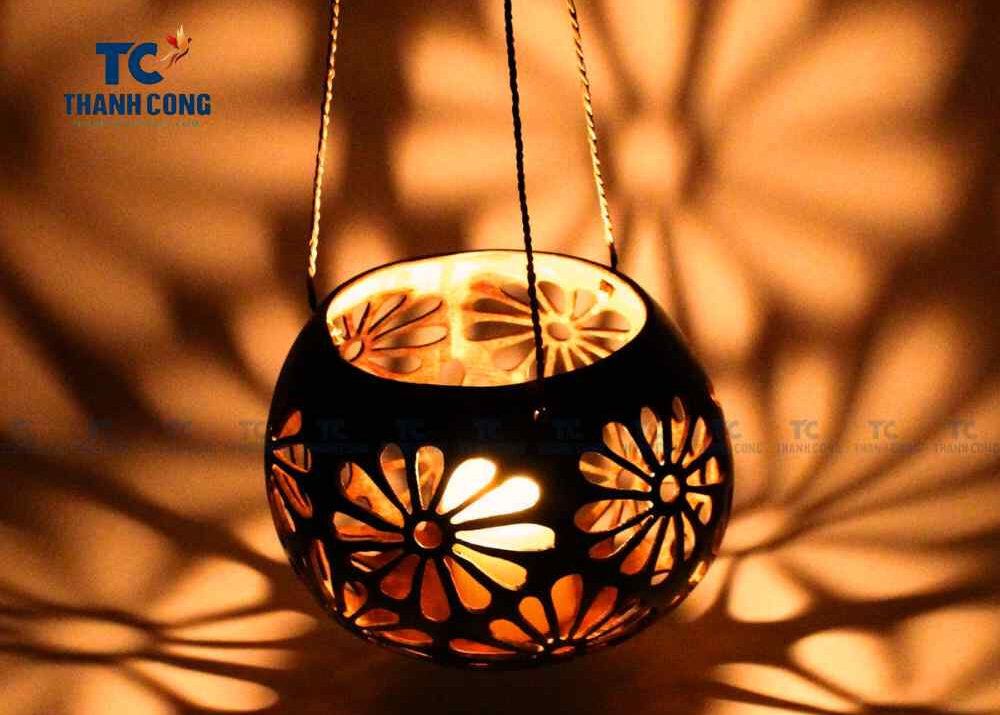
- Home decor: Coconut shells can make various home decor items, such as bowls, coasters, and candle holders. These diy items add a natural and tropical touch to any room. (Check out: Coconut bowls candles)
- Figurines and ornaments: Coconut shells can be carved into figurines and ornaments such as animals, flowers, and other decorative designs. These pieces make great souvenirs and gifts.
- Musical instruments: Coconut shells can be used to create musical instruments such as maracas and percussion shakers. The natural sound produced by the shell adds an organic and earthy element to the music.
- Accessories: Coconut shells can create accessories like buttons, buckles, and hair clips. These items are eco-friendly and add a unique touch to clothing and accessories.
2.2 Using Coconut Shell As A Bowl
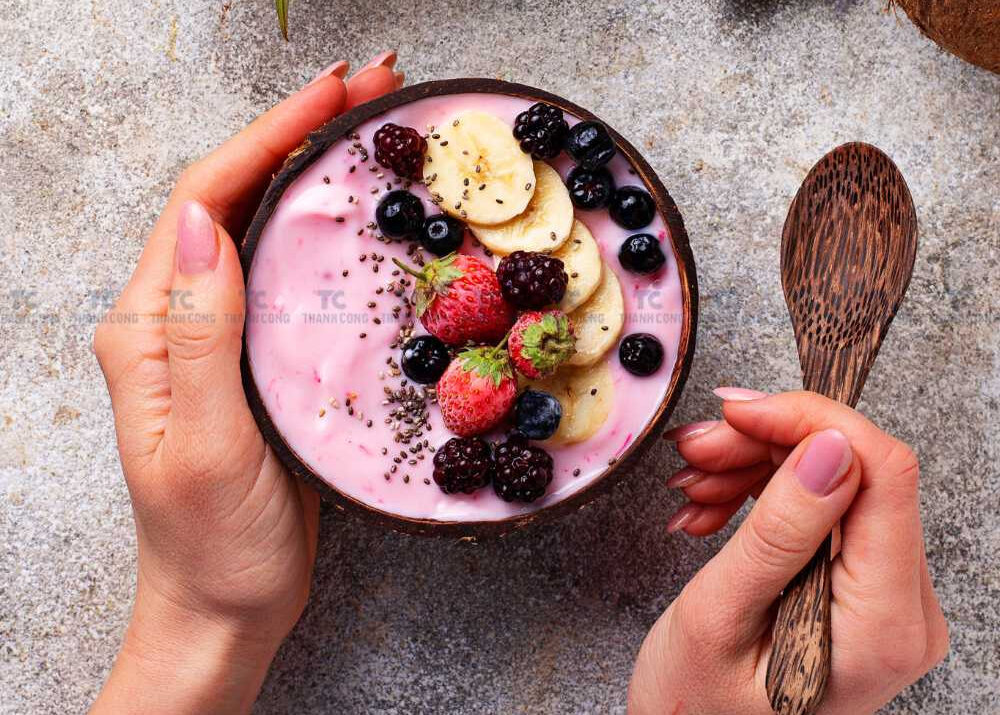
To make a coconut bowl, you must prepare tools such as saws, sandpaper, cleaning supplies and can use lacquer to polish it.
Using coconut shell bowls instead of disposable plastic or paper bowls helps reduce waste and is more environmentally friendly. They are made from natural materials and do not contain any harmful chemicals or toxins that can leach into food.
Coconut shell also contains lauric acid, which has natural antibacterial properties. This makes them resistant to bacteria and mold growth, providing a more hygienic and safe serving option.
2.3 Using Coconut Shell in Aquarium
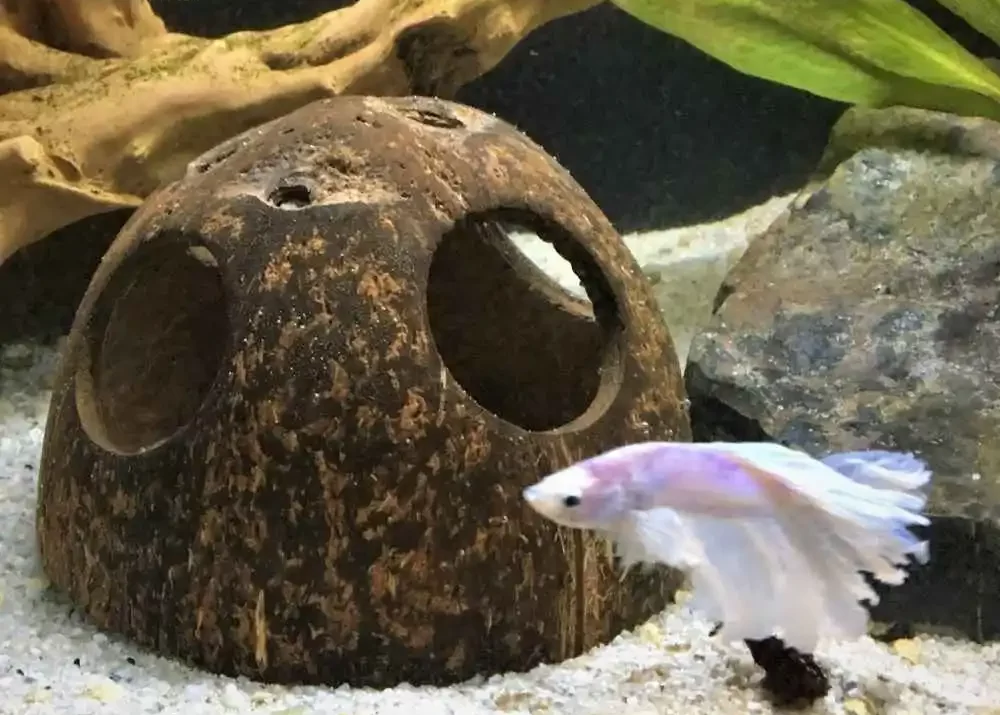
Aquarists widely use coconut shells as a natural material for both decoration and functional purposes in aquariums. Coconut shells support aquarium setups in the following ways:
- Hiding place for fish: Aquarists place coconut shells in tanks to create secure hiding spots for small fish and shrimp, helping reduce stress and improve their sense of safety.
- Breeding area for fish: Fish breeders use coconut shells as natural breeding spaces for certain fish species and invertebrates, providing a protected environment for eggs and fry.
- Decoration: Aquarium designers choose coconut shells for their unique, organic appearance. They use them as standalone decorative elements or combine them with other materials to create visually appealing layouts.
- Bio-filter: Aquarists use coconut shells as a natural bio-filter. The shell’s porous structure allows beneficial bacteria to colonize and supports a stable, healthy aquatic ecosystem.
- Substrate: Aquarists grind coconut shells into smaller particles and use them as substrate to create a natural-looking base while encouraging beneficial bacterial growth.
Before adding coconut shells to an aquarium, aquarists clean and prepare them thoroughly to remove debris and contaminants. They also regularly monitor water parameters to ensure the shells do not alter water chemistry or negatively impact tank conditions.
2.4 Feeder for Small Animals
Coconut shells can be a natural and eco-friendly feeder for small animals such as birds, hamsters, and squirrels. Coconut shells are relatively durable and can withstand the wear and tear of outdoor use, making them a long-lasting option for feeding animals.
To use a coconut shell as a feeder for small animals, drill or cut a hole in the shell and fill it with the appropriate food, such as seeds or nuts. The coconut shell can then be hung or placed in a suitable location for the target animal to access. However, it’s important to regularly clean the coconut shell feeder to prevent the buildup of bacteria or mold.
2.5 Fuel for Cooking And Heating
Using coconut shells as a fuel source is a sustainable and eco-friendly option that provides various benefits for cooking and heating.
Coconut shells serve as an effective fuel source when users prepare them properly. First, users remove any remaining coconut meat or fibers and dry the shells completely. After drying, they burn the shells directly in stoves, grills, or other heating appliances. Alternatively, producers grind the shells into small pieces or convert them into charcoal to support more specialized heating applications.
2.6 Coconut Shell Uses for Plants
Coconut shells offer many practical ways to support plant health and encourage strong growth. Growers and gardeners actively use coconut shells in the following applications:
- Soil amendment: Gardeners grind coconut shells and mix them into the soil to improve soil structure, enhance water retention, and supply essential minerals and nutrients.
- Potting medium: Manufacturers process coconut coir—the fibrous layer between the shell and the coconut meat—into a lightweight, moisture-retentive potting medium suitable for many plant types.
- Mulch: Farmers and home gardeners spread coconut husks over the soil surface to regulate temperature, reduce moisture evaporation, and suppress weed growth.
- Compost: Composters add coconut shells to compost piles as a carbon-rich material that balances nutrients and supports efficient decomposition.
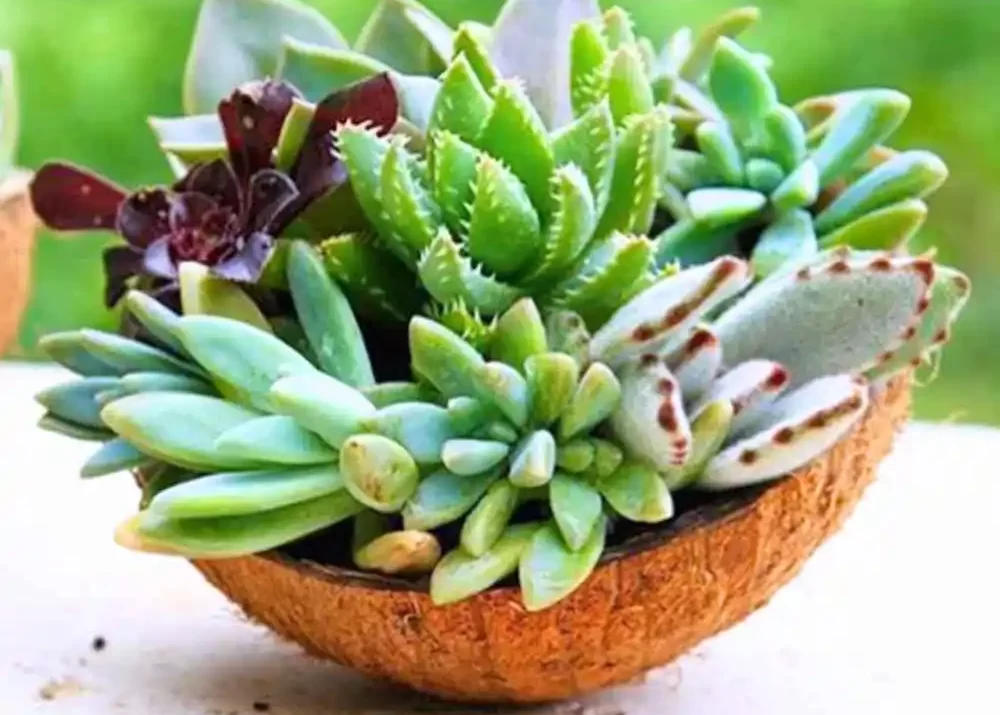
- Planter: Designers and gardeners turn coconut shells into natural planters by drilling drainage holes, creating an eco-friendly and visually distinctive alternative to conventional pots.
Coconut shells are a sustainable and eco-friendly option for gardening and can provide a range of benefits for plant growth and health.
Reach out to us today to learn more about our products or to place a wholesale order. We look forward to connecting with you!
- Thanh Cong Handicraft Co., Ltd
- Email: [email protected]
- Tel/WhatsApp: +84967485411
Explore our Products Collection for more choices! Contact Us!


